The Simple Guide to Purchasing Tefillin: How to Choose Correctly?
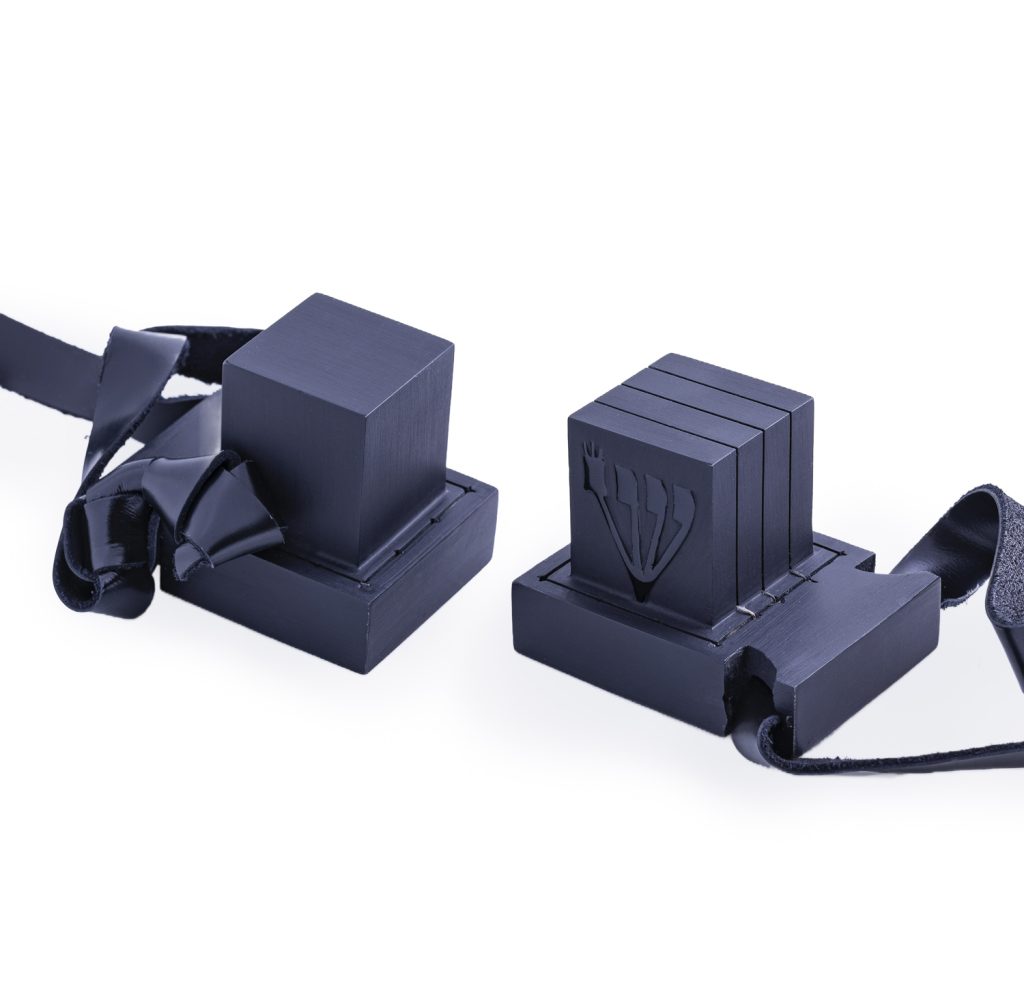
Purchasing tefillin is one of the most exciting moments in a Jew’s life, but when you enter a site and start reading, you suddenly encounter terms that sound like Chinese: “Fully Separated (Prudot Maleh),” “Cowhide (Behema Gassa),” “Foot-Press Squared (Ribua Regel)”… Just before you get lost, we’ve organized the chaos so you know exactly what […]
What is the difference between hand Tefillin and head Tefillin? And what are the decorations “Fully Separated (Prudot Maleh)” and “Precisely Aligned (Mechuvanot)”?

What is the difference between hand Tefillin and head Tefillin? Did you know there are different types of decoration in Tefillin, such as “Fully Separated (Prudot Maleh)” and “Most Parudot”? The head Tefillin are made from one leather piece and divided into four compartments, while the hand Tefillin consist of only one compartment. Discover fascinating details about Tefillin, the laws and customs behind them, and understand why every detail is so important in Jewish tradition.
What Is the Difference Between “Sheepskin (Behema Daka)” Tefillin and “Cowhide (Behema Gassa)” Tefillin?

What is the difference between “Sheepskin (Behema Daka)” tefillin and “Cowhide (Behema Gassa)” tefillin? Did you know that in the past, all Jews used tefillin made from the skin of sheep and goats? Over time, new methods developed and they began using the skin of cows and bulls, which led to a significant improvement in the beauty and strength of the tefillin. Today, tefillin made from “Sheepskin (Behema Daka)” leather are considered merely kosher, while tefillin made from “Cowhide (Behema Gassa)” leather are considered mehudar (enhanced kosher). And what is the letter “Shin” on the tefillin? Discover the fascinating differences between the various types of tefillin and the halachic significance of each!