

אנו משתמשים בקובצי עוגיות כדי לשפר את חוויית הגלישה שלך באתר. בשימושך באתר, אתה נותן את הסכמתך לשימוש בעוגיות.
- Fast nationwide shipping starting at just 12 NIS
- !Orders over 400 NIS ship free
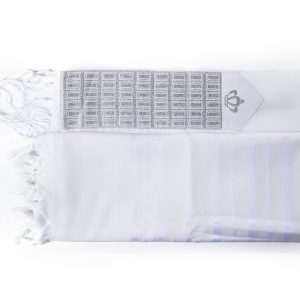
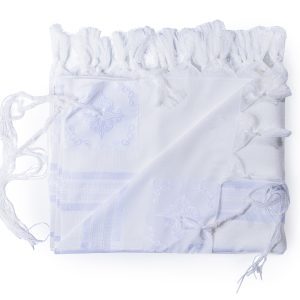
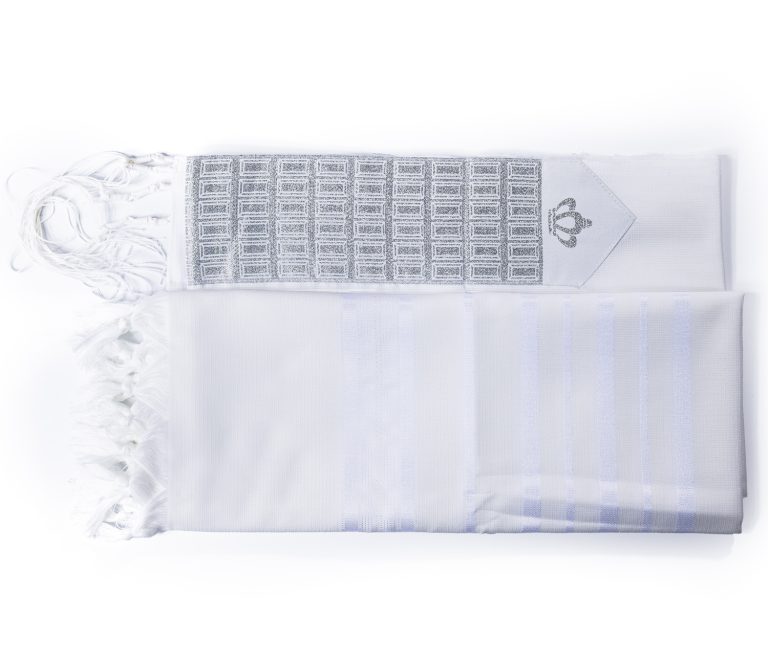
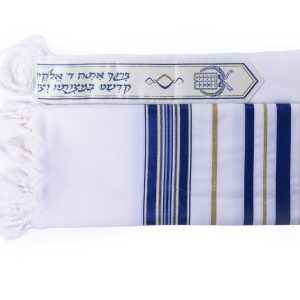
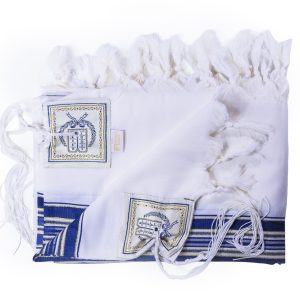
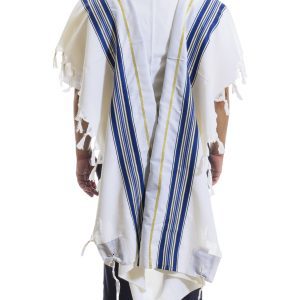
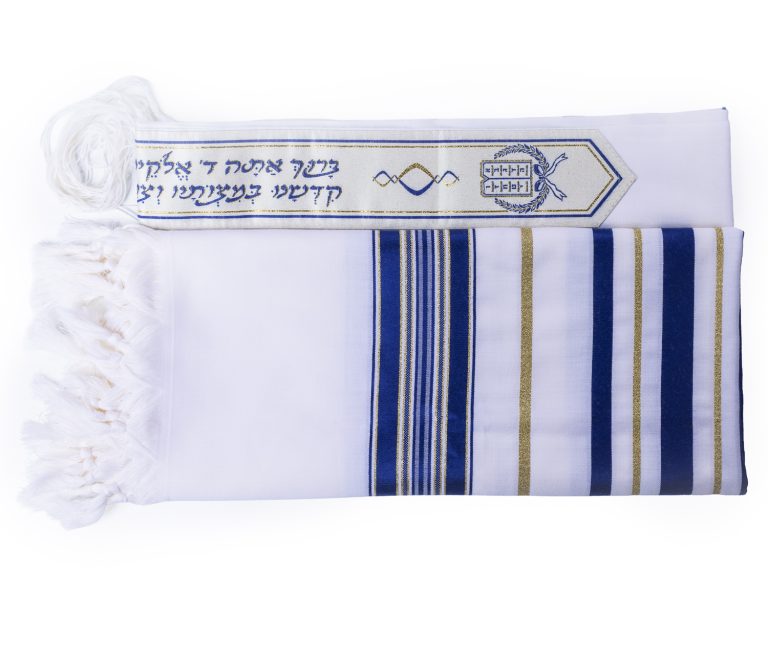
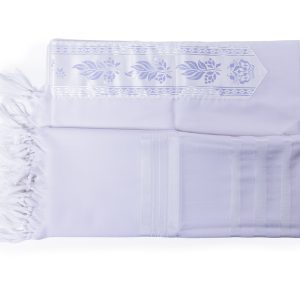
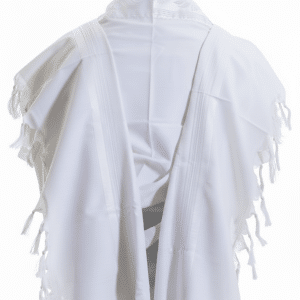
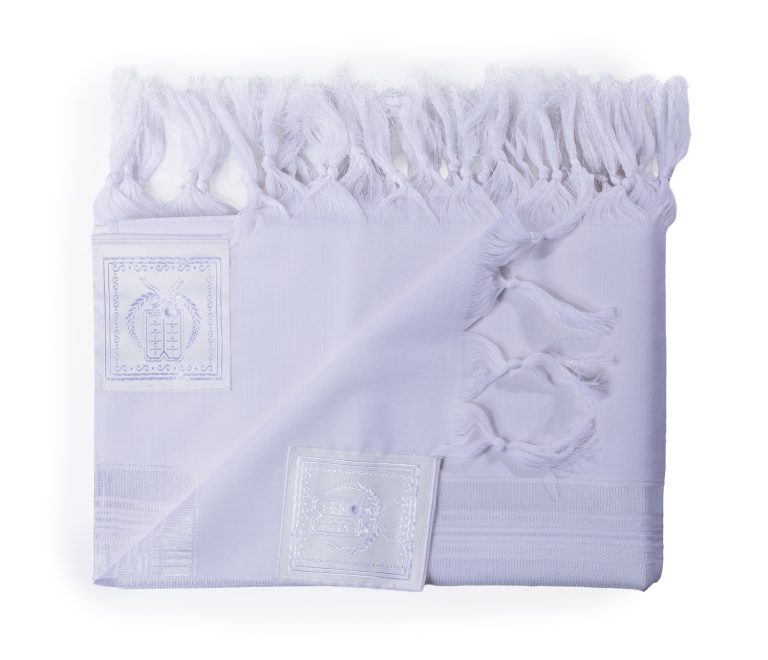
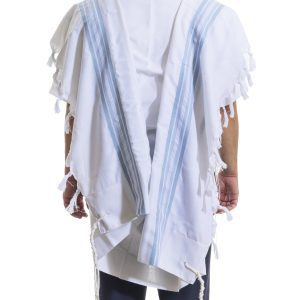
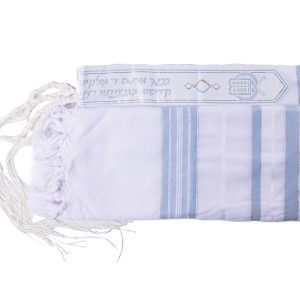
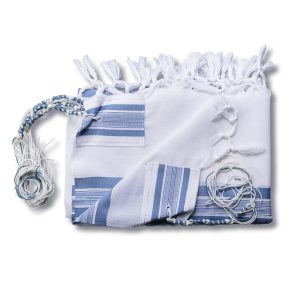
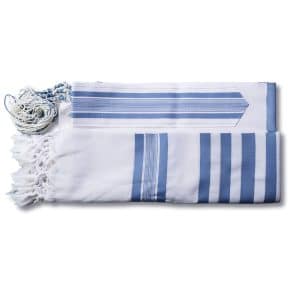
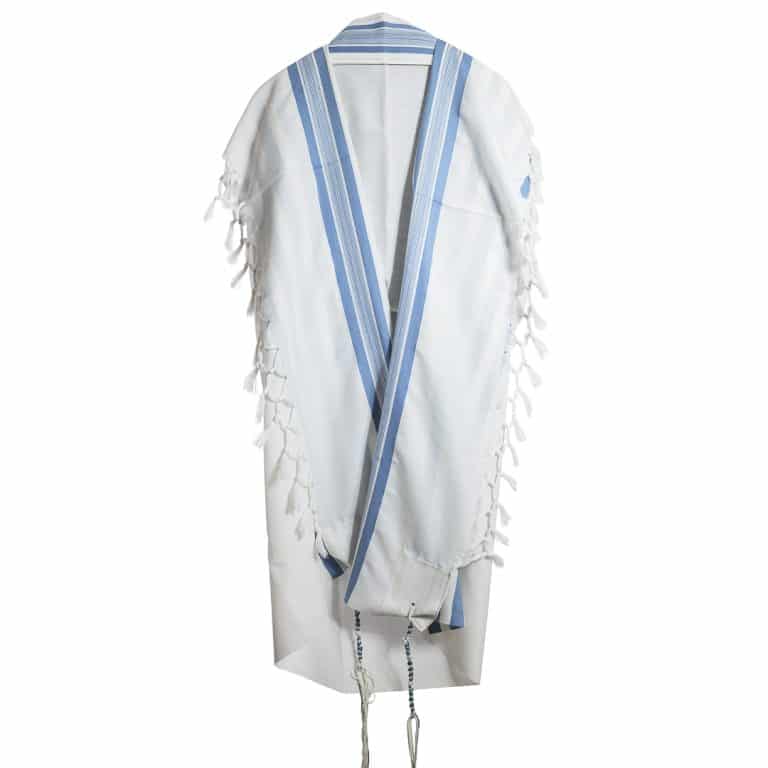
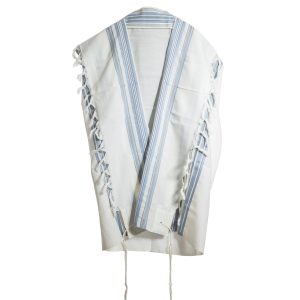
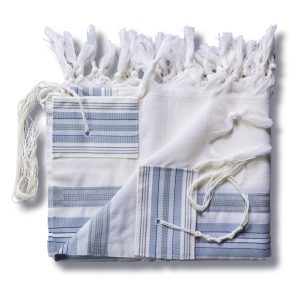
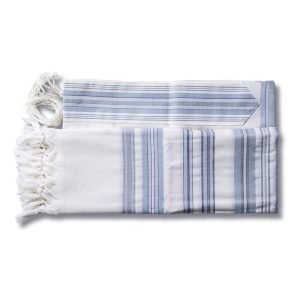
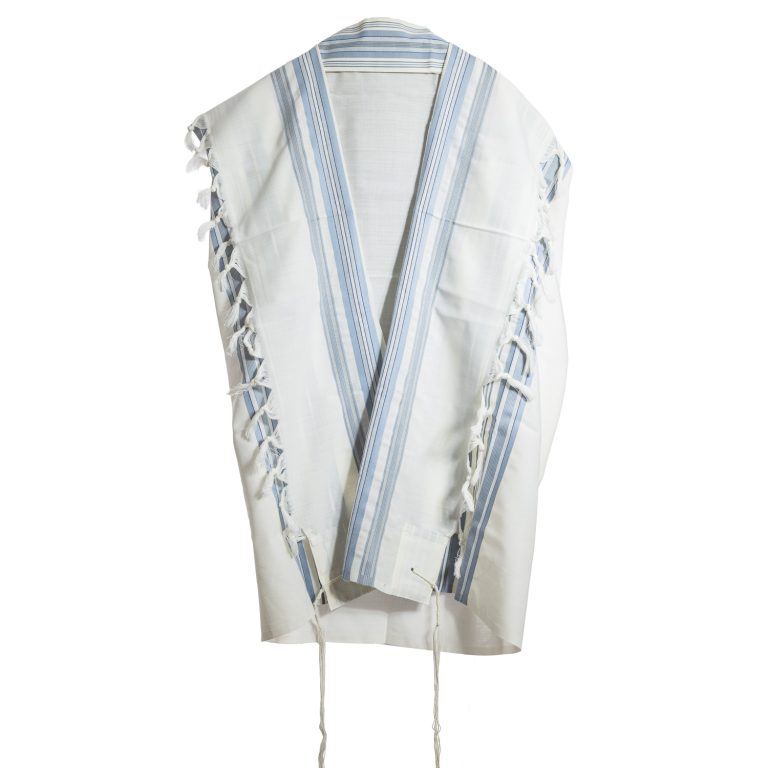
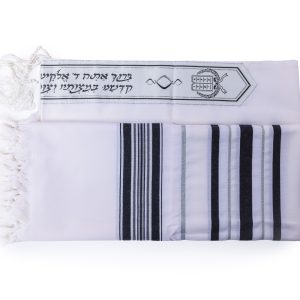
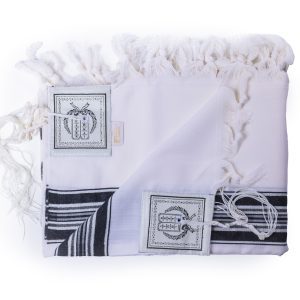
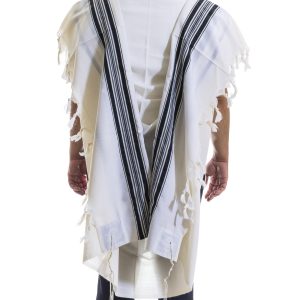
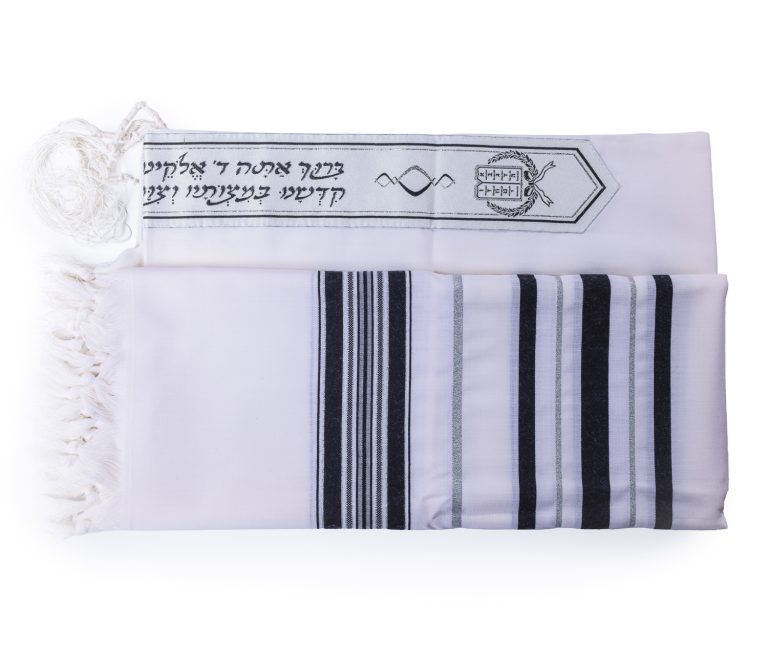
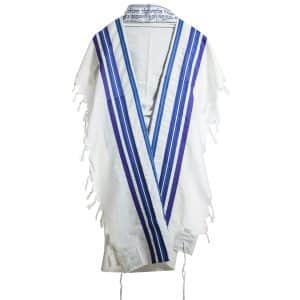
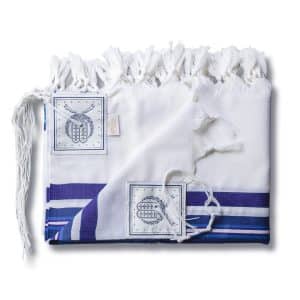
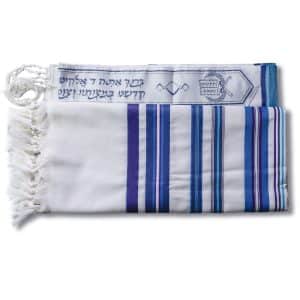
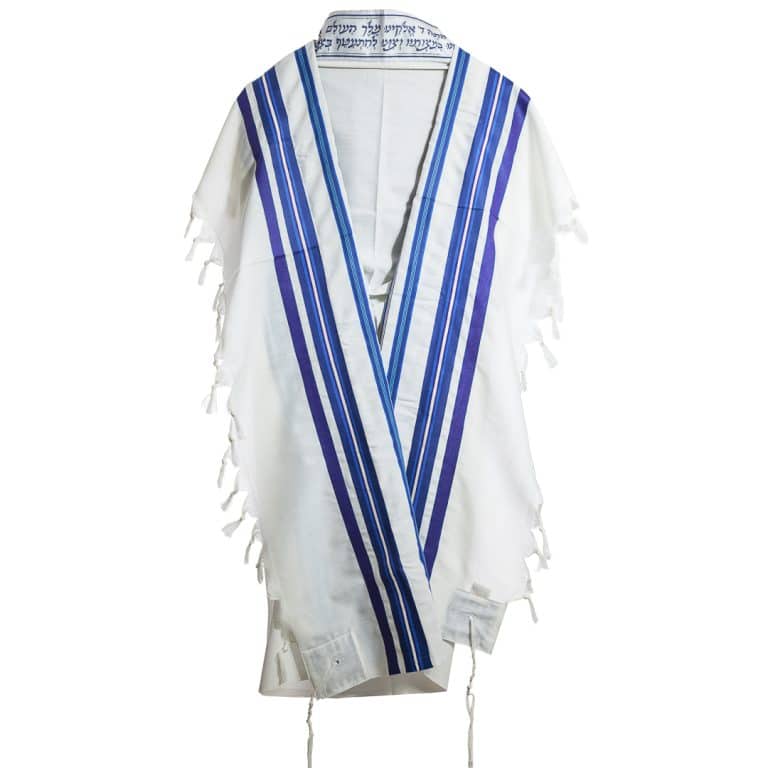
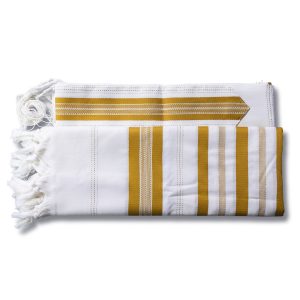
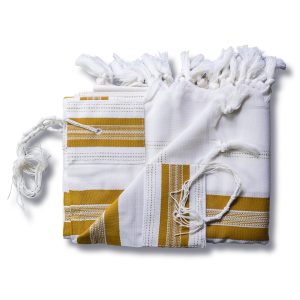
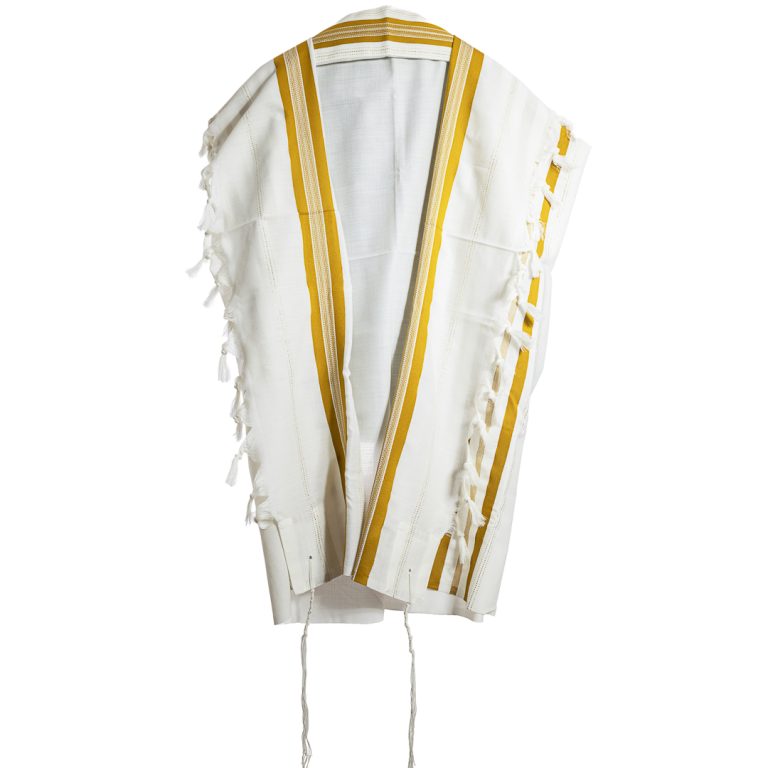
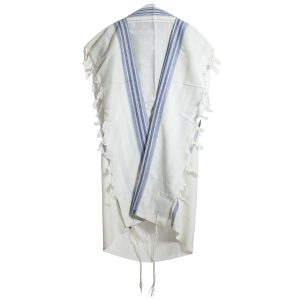
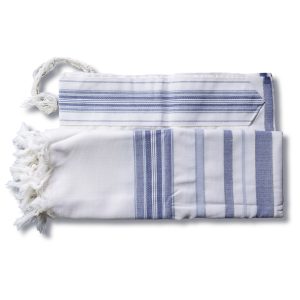
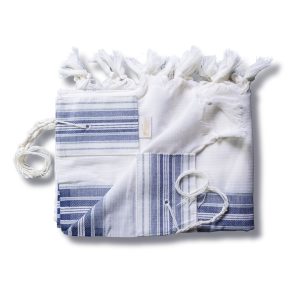
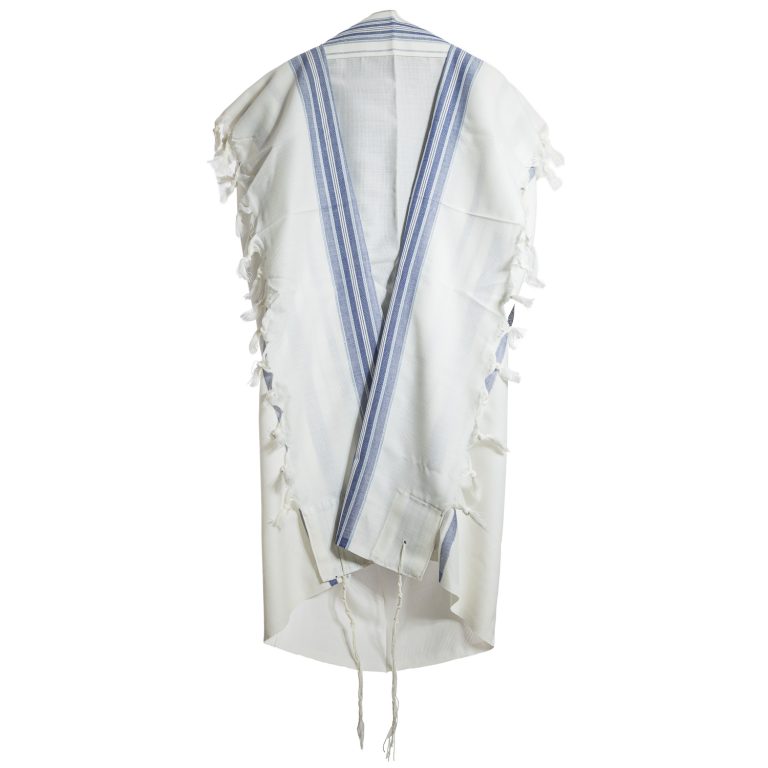
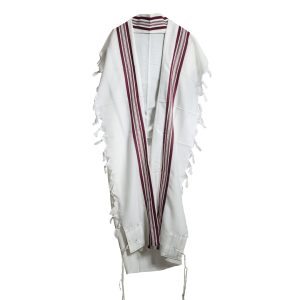
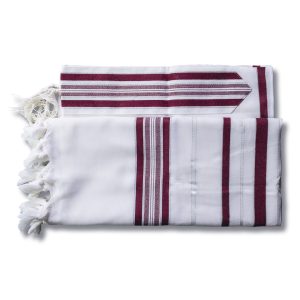
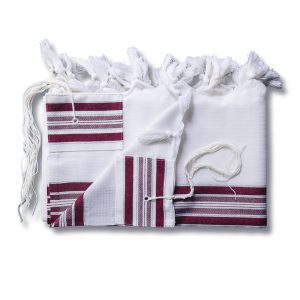
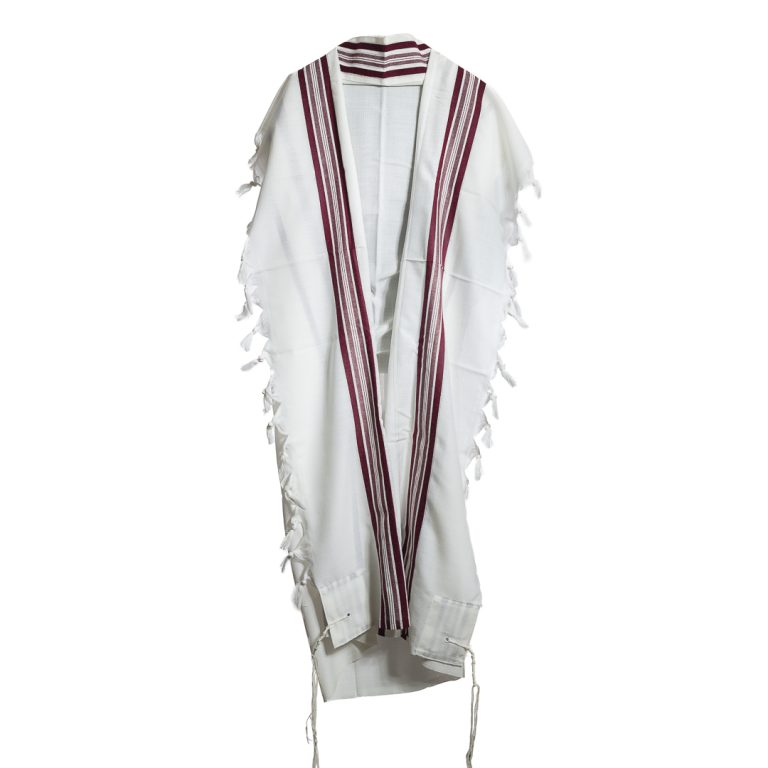
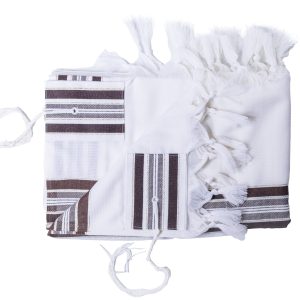
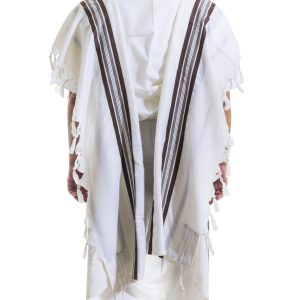
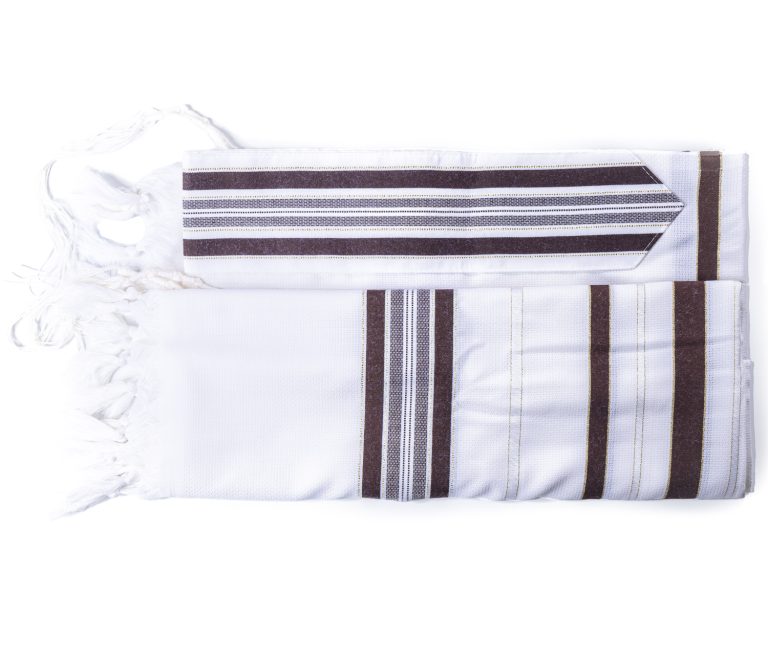
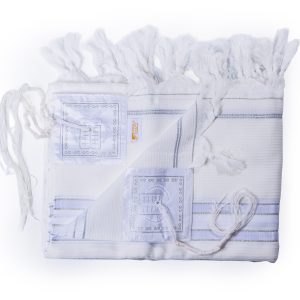
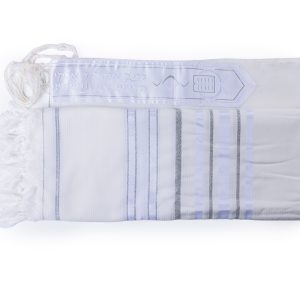
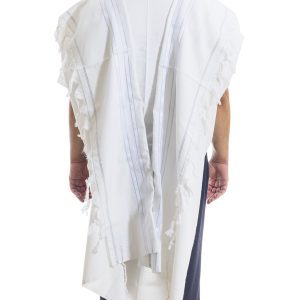
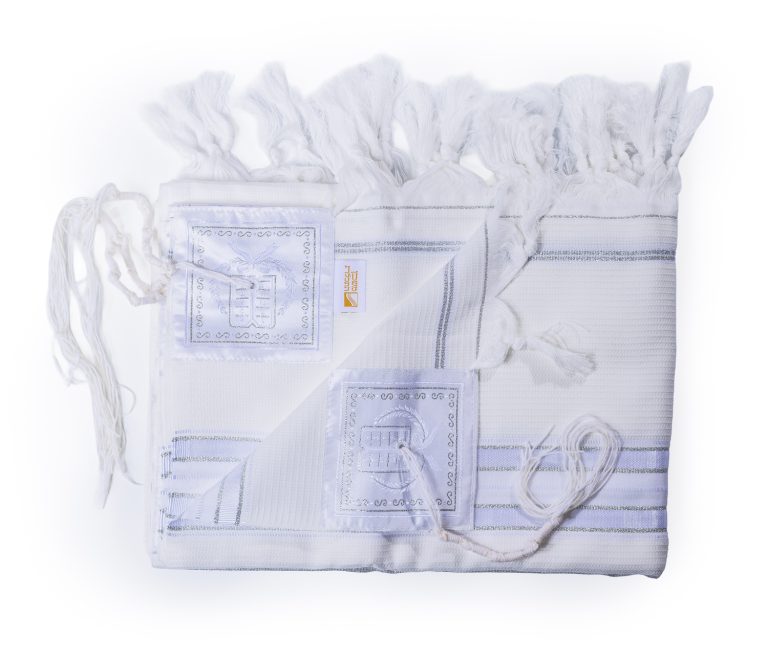
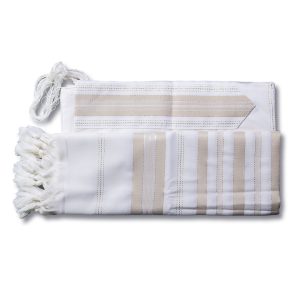
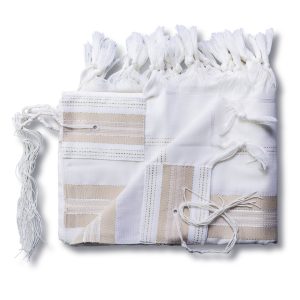
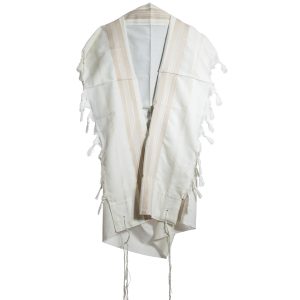
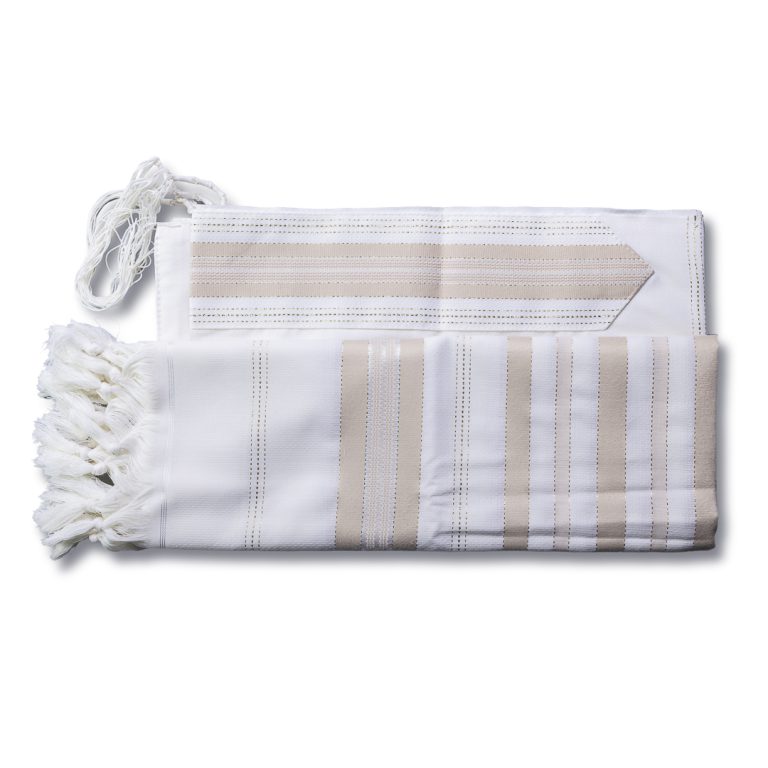
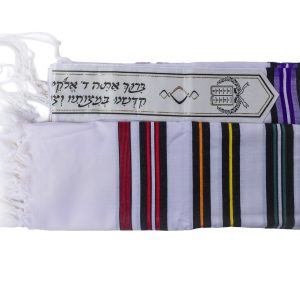
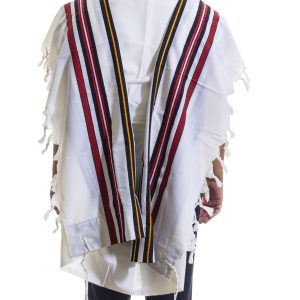
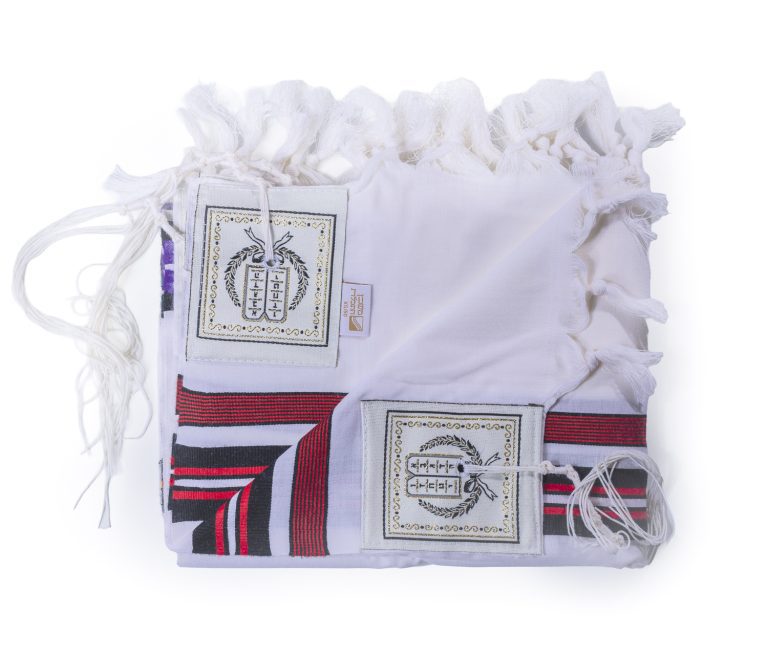
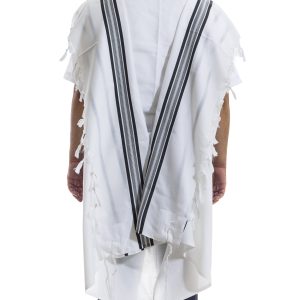
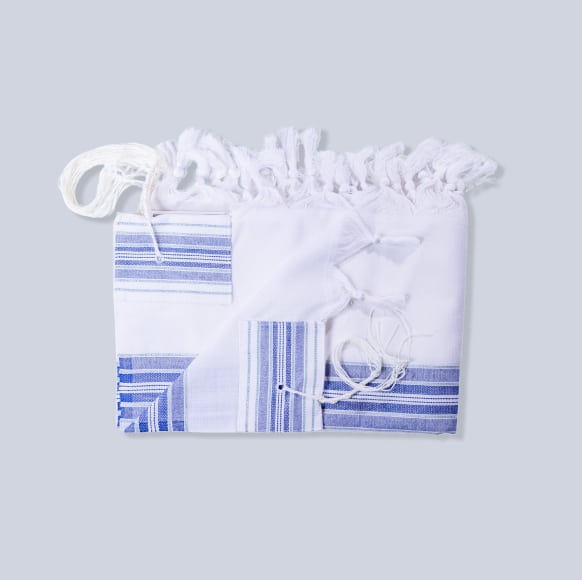
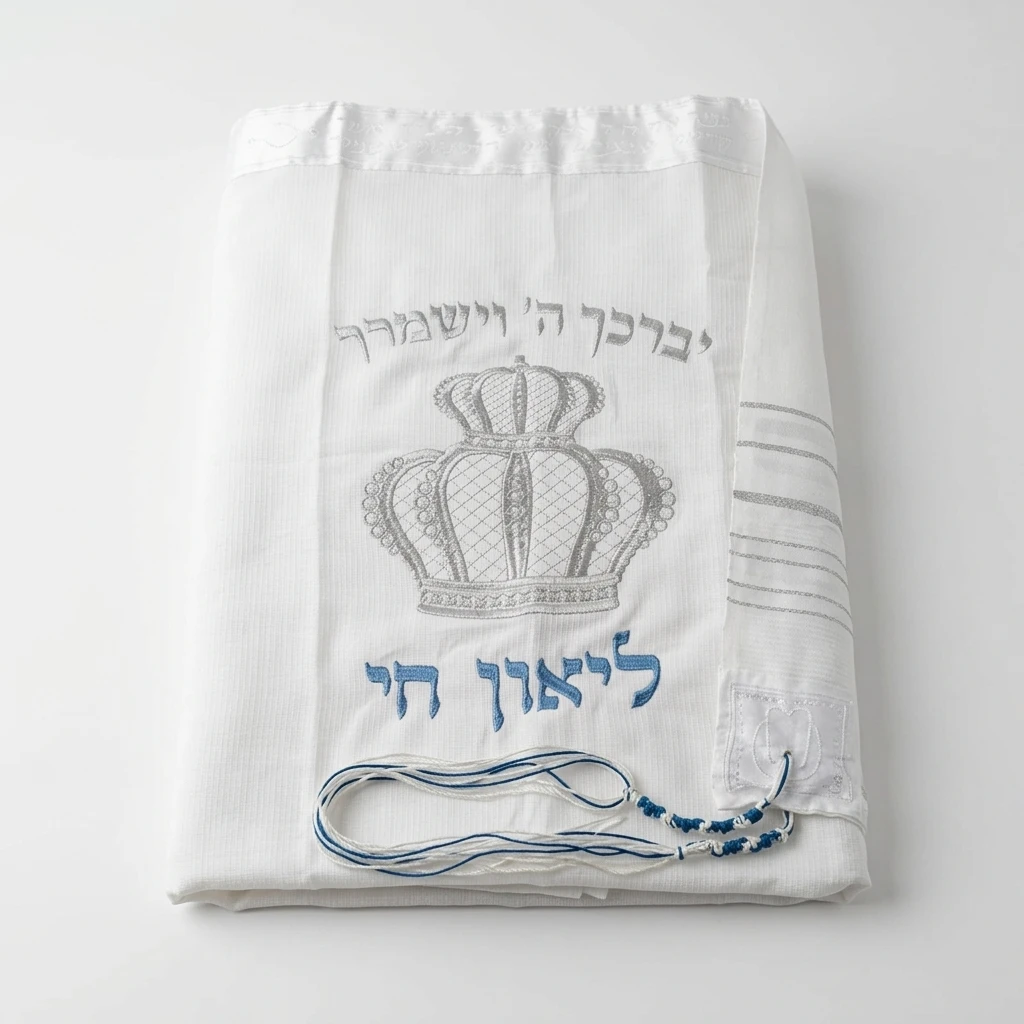
Looking for a Tallit for an upcoming Bar Mitzvah? Mazal Tov! You’ve arrived. Scroll down to choose from a wide range of beautiful Tallit styles, colors and fabric options. Whether you call it a tallis or a tallit, we offer made-in-Israel tallitot prepared according to Jewish tradition and 100% kosher. Have a question? Want to get advice? Feel free to ask.
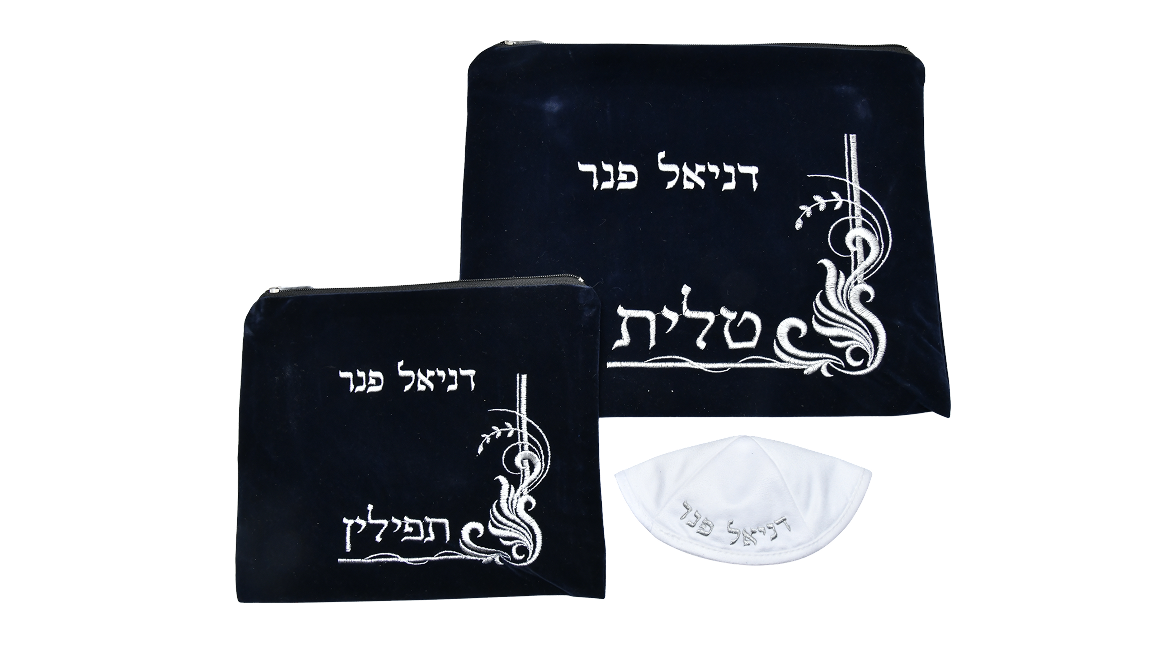
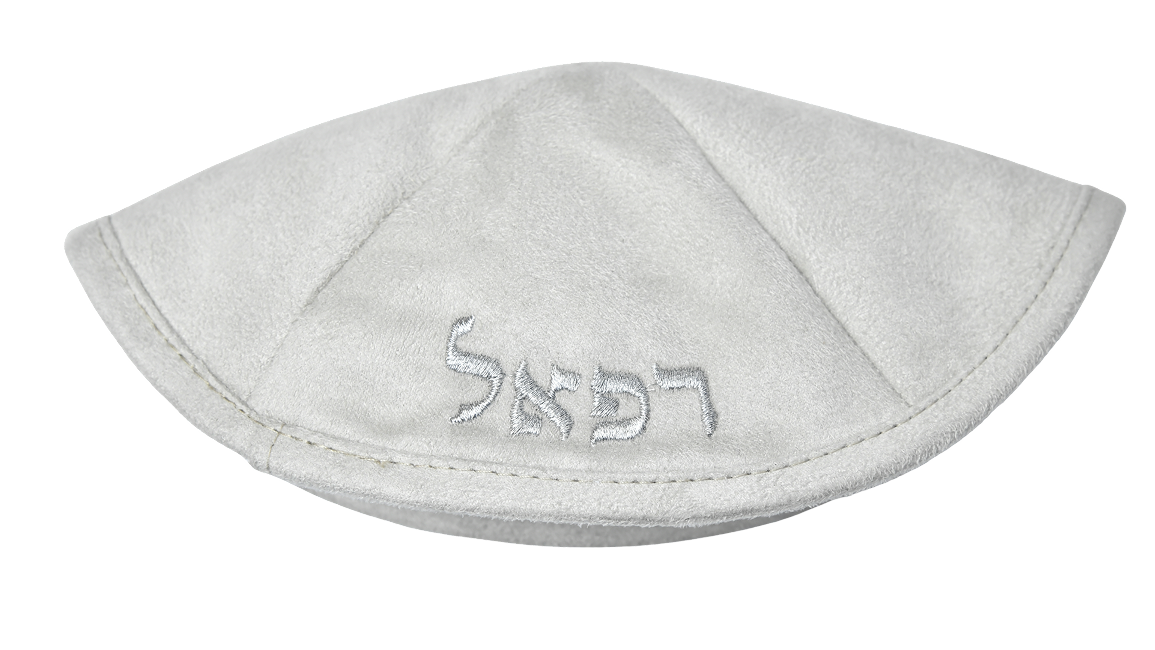
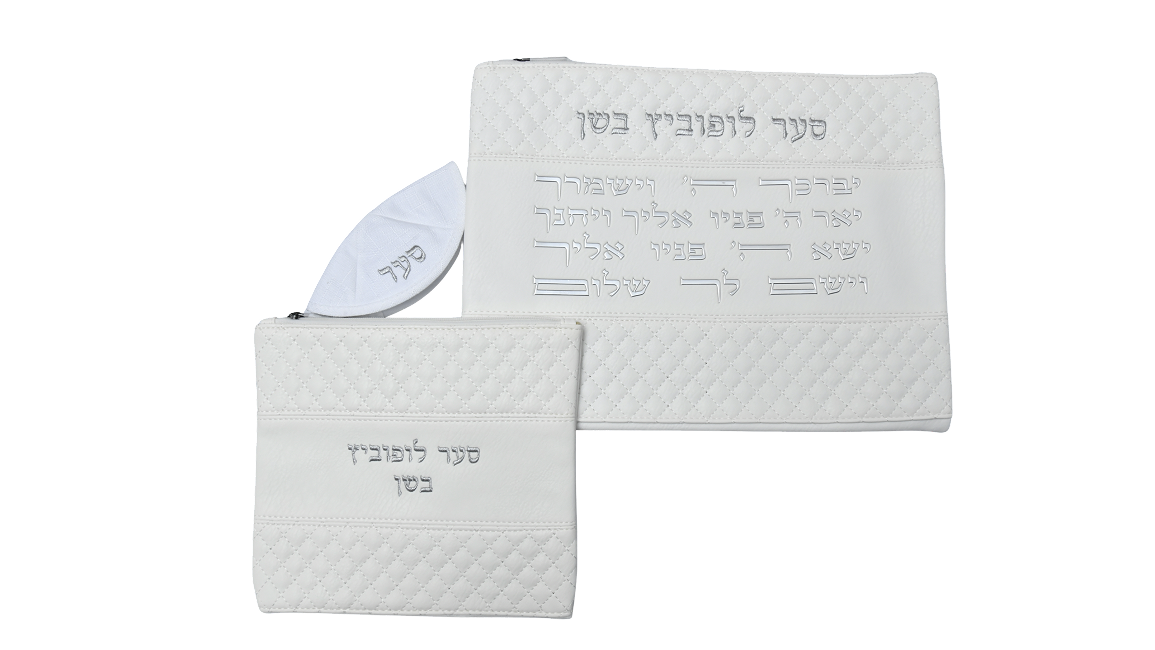
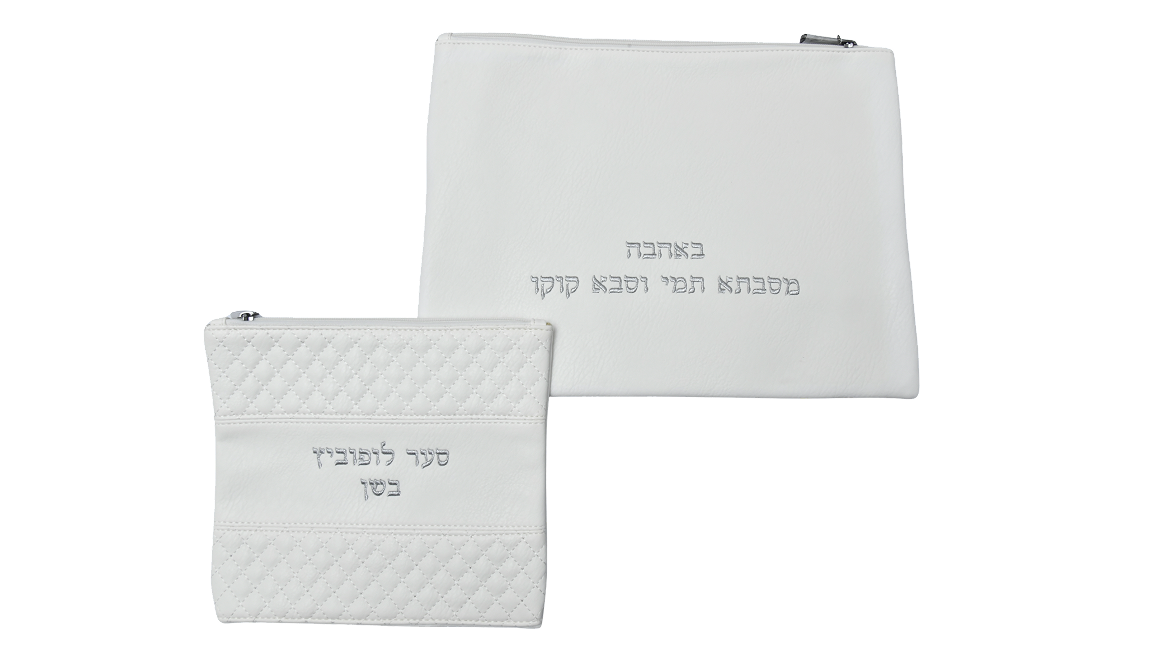
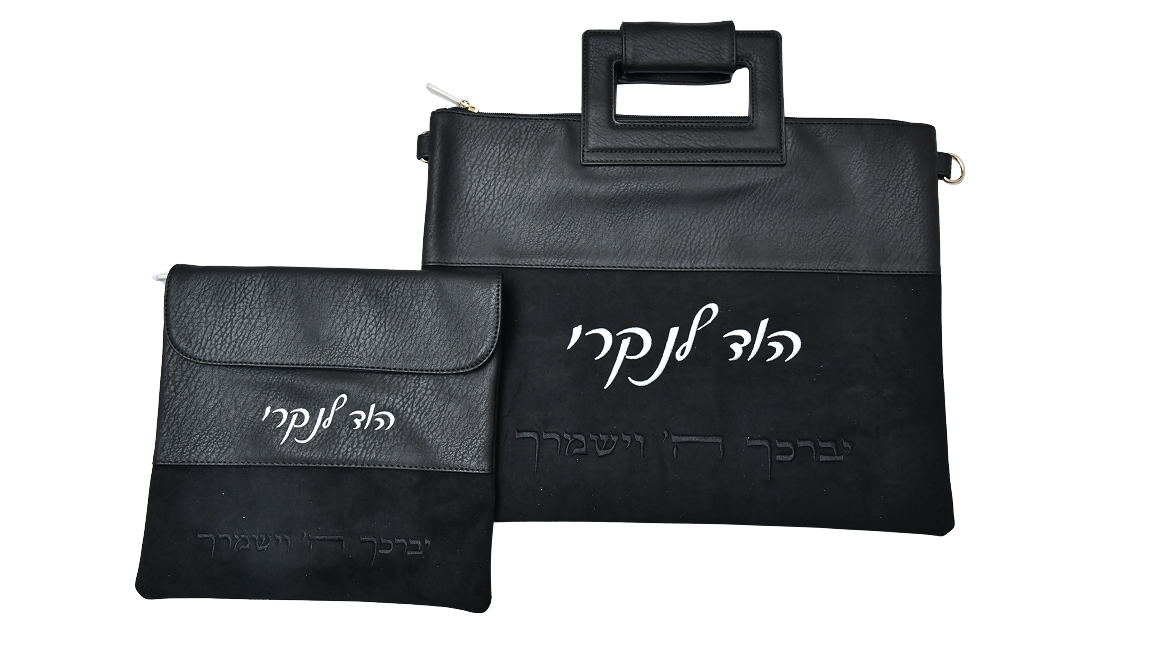
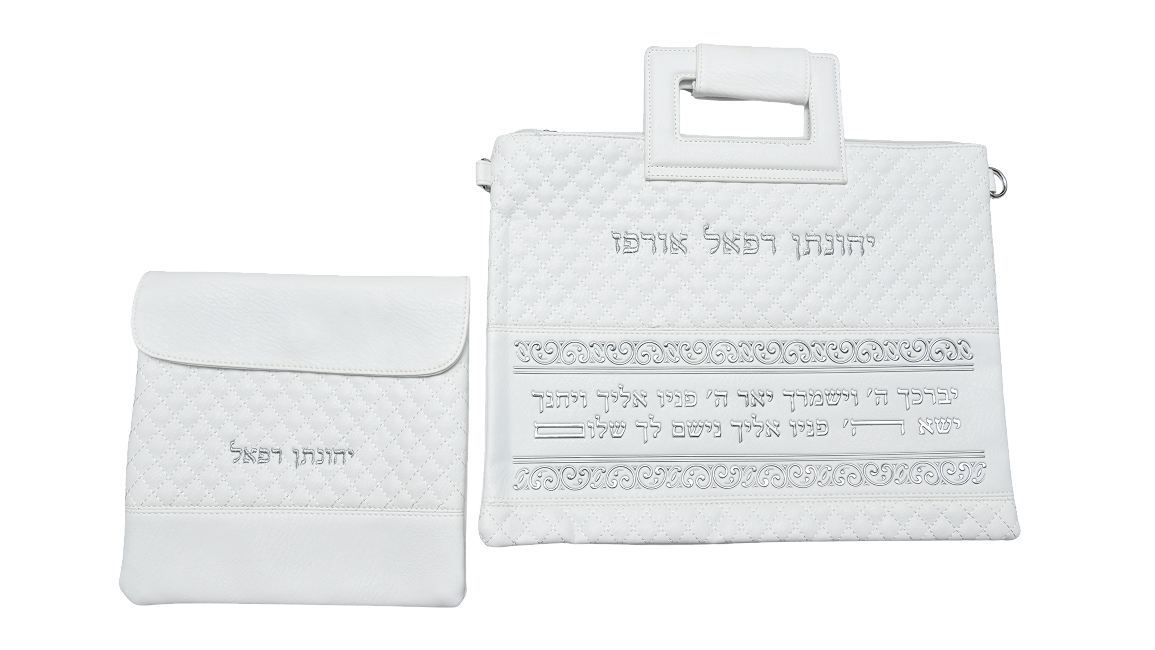
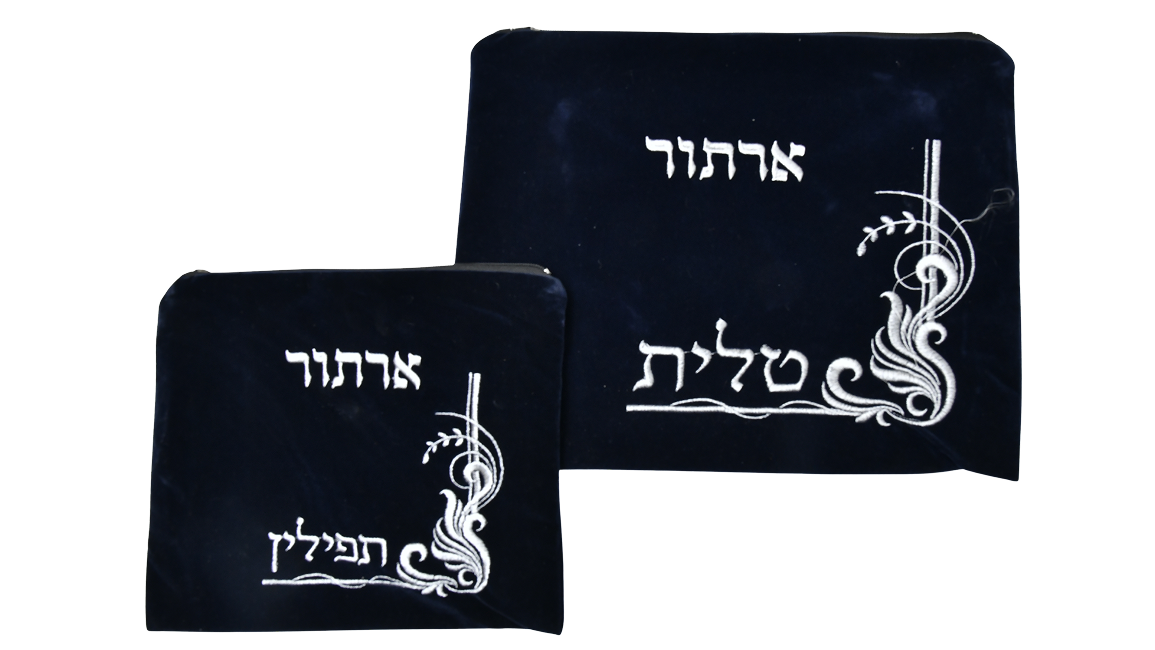
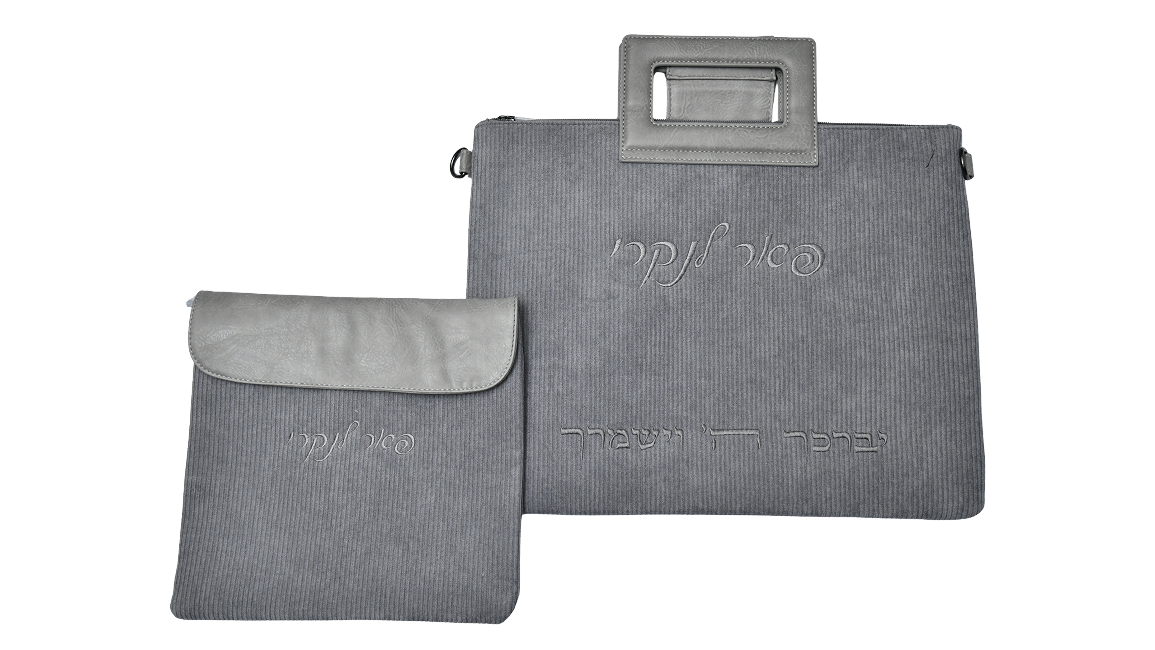
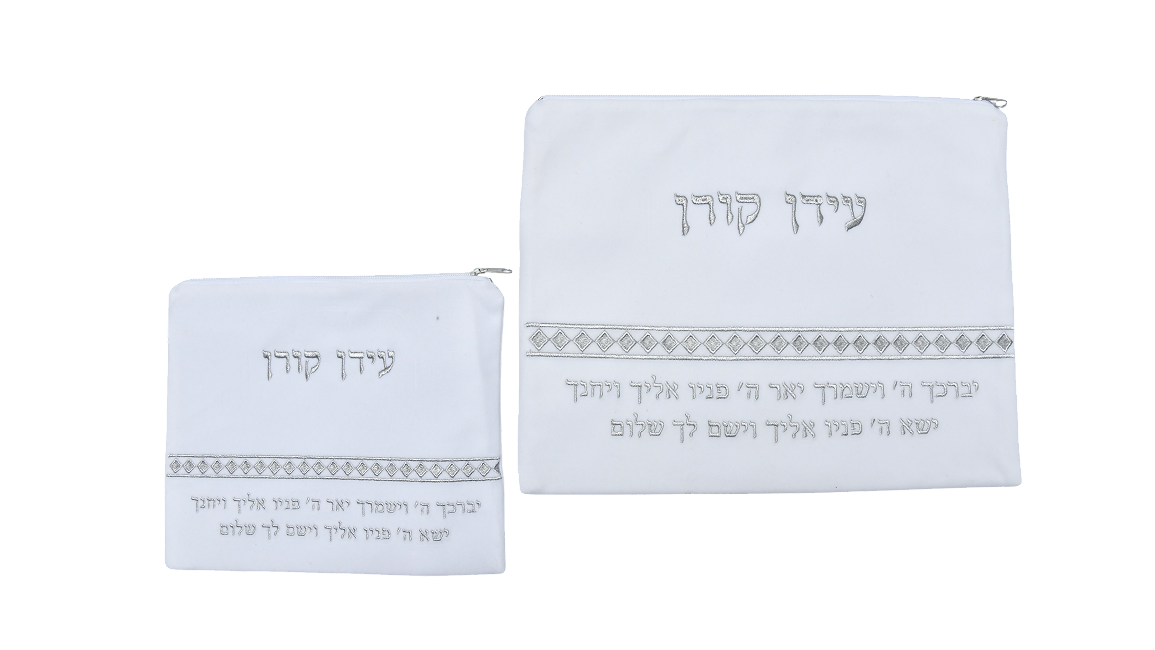
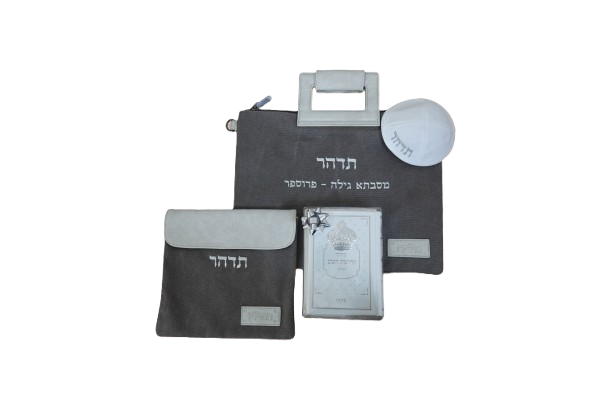
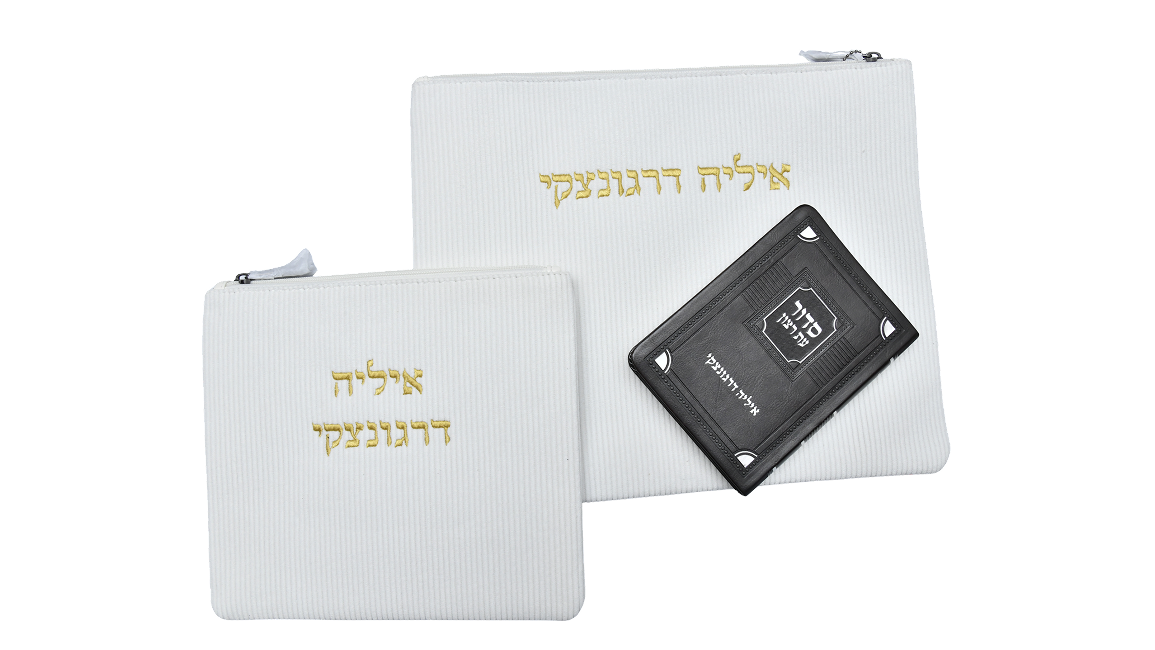
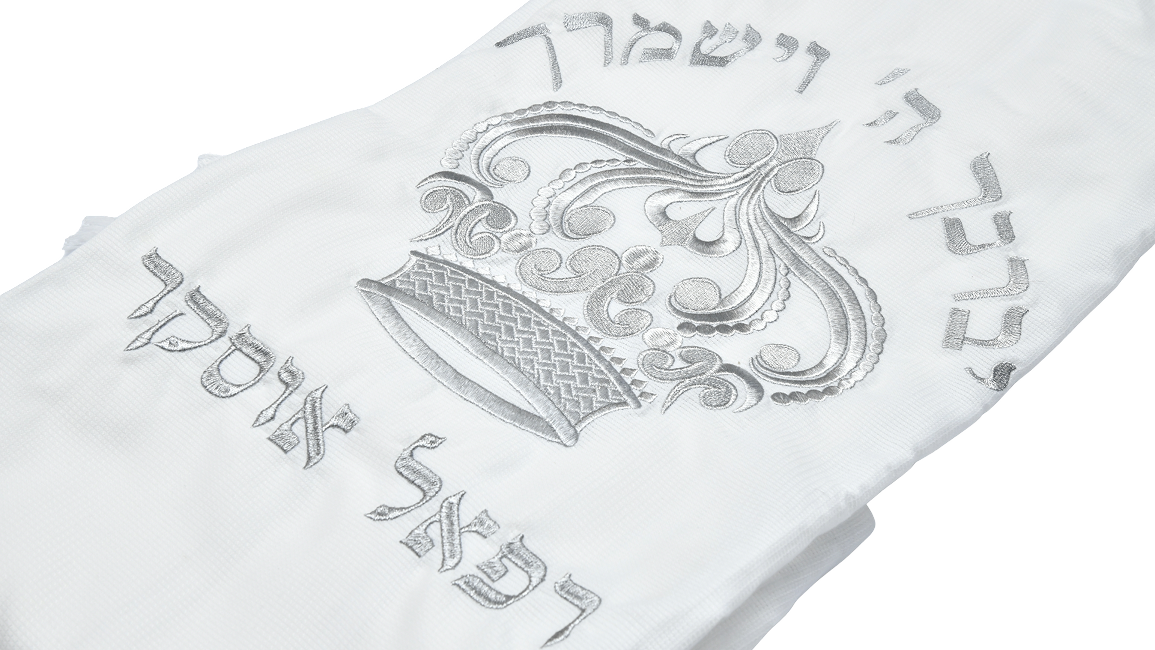
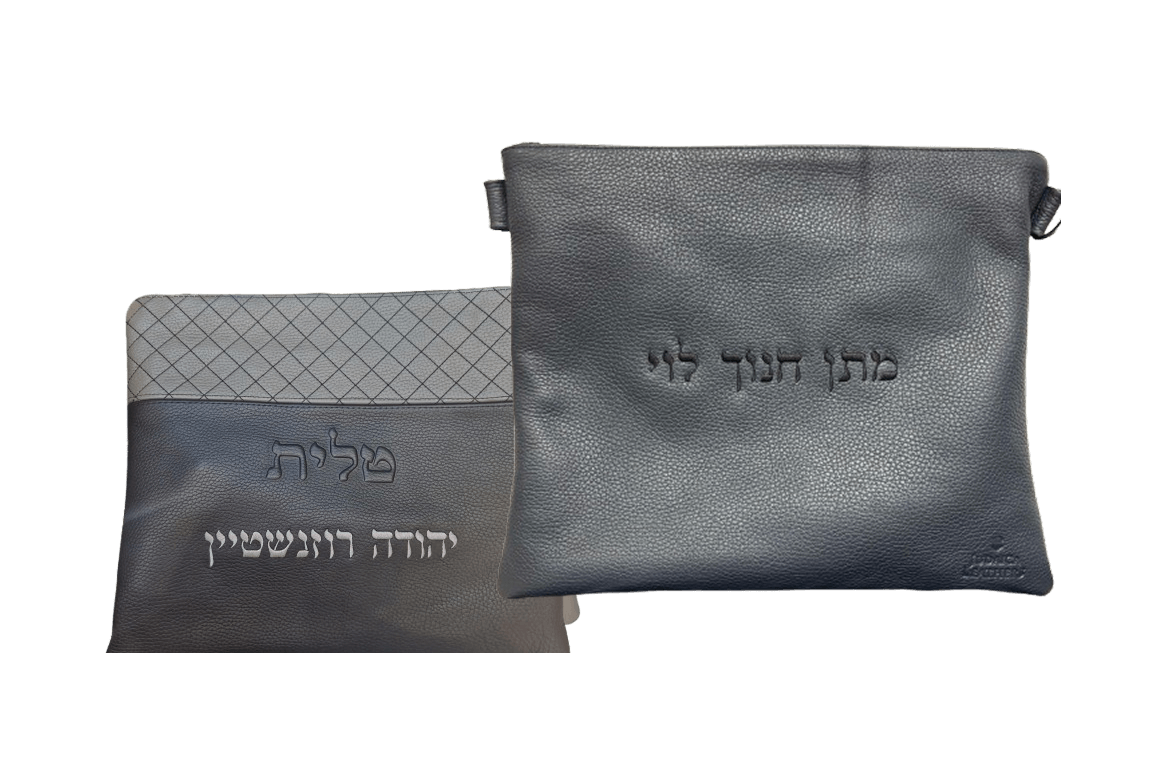
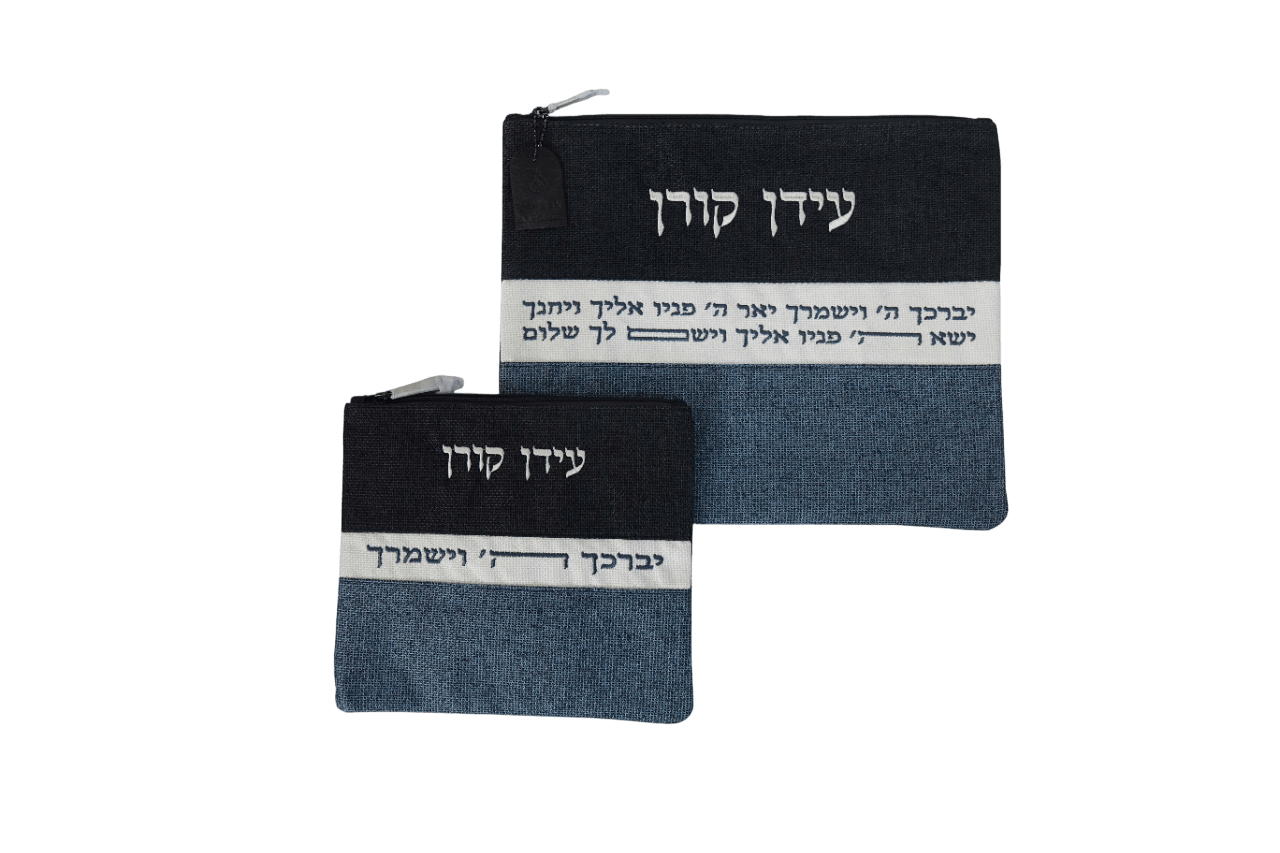
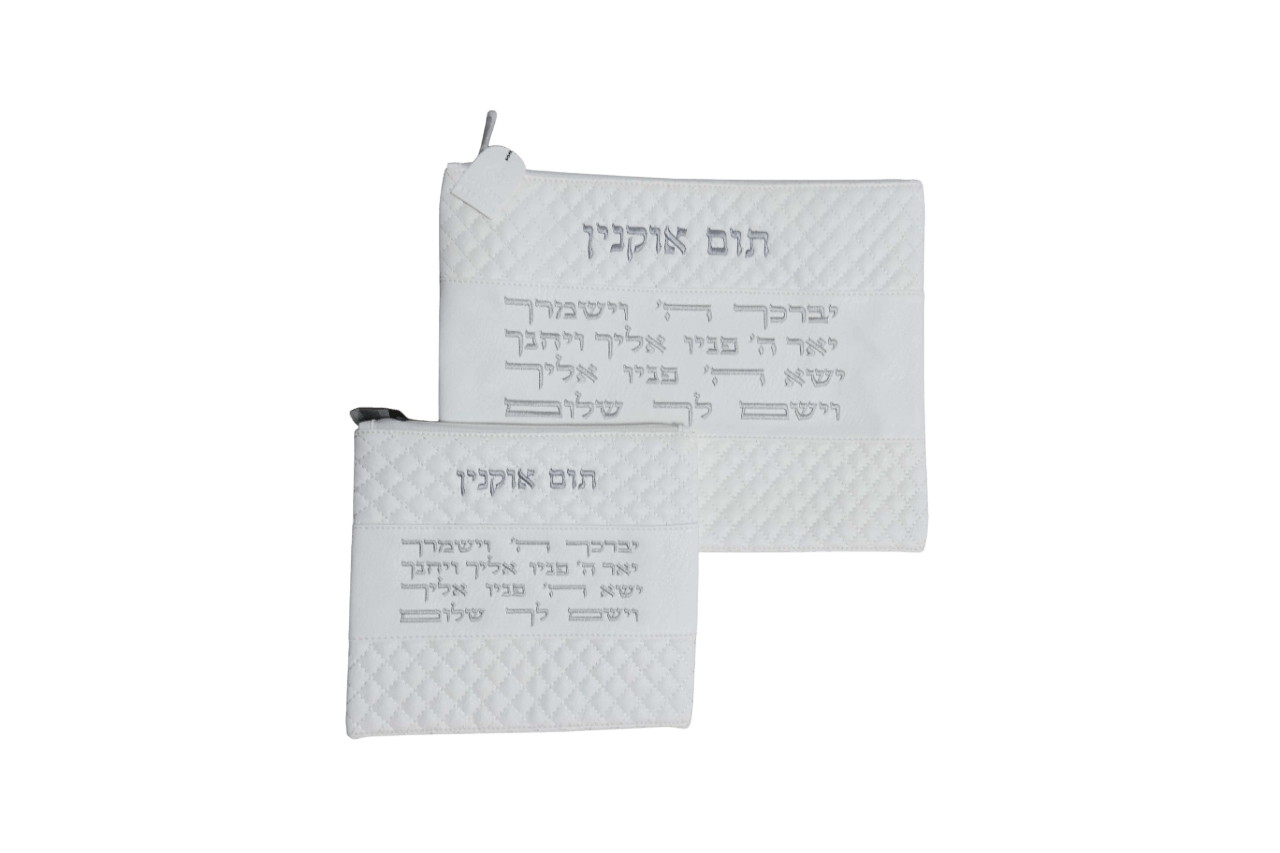
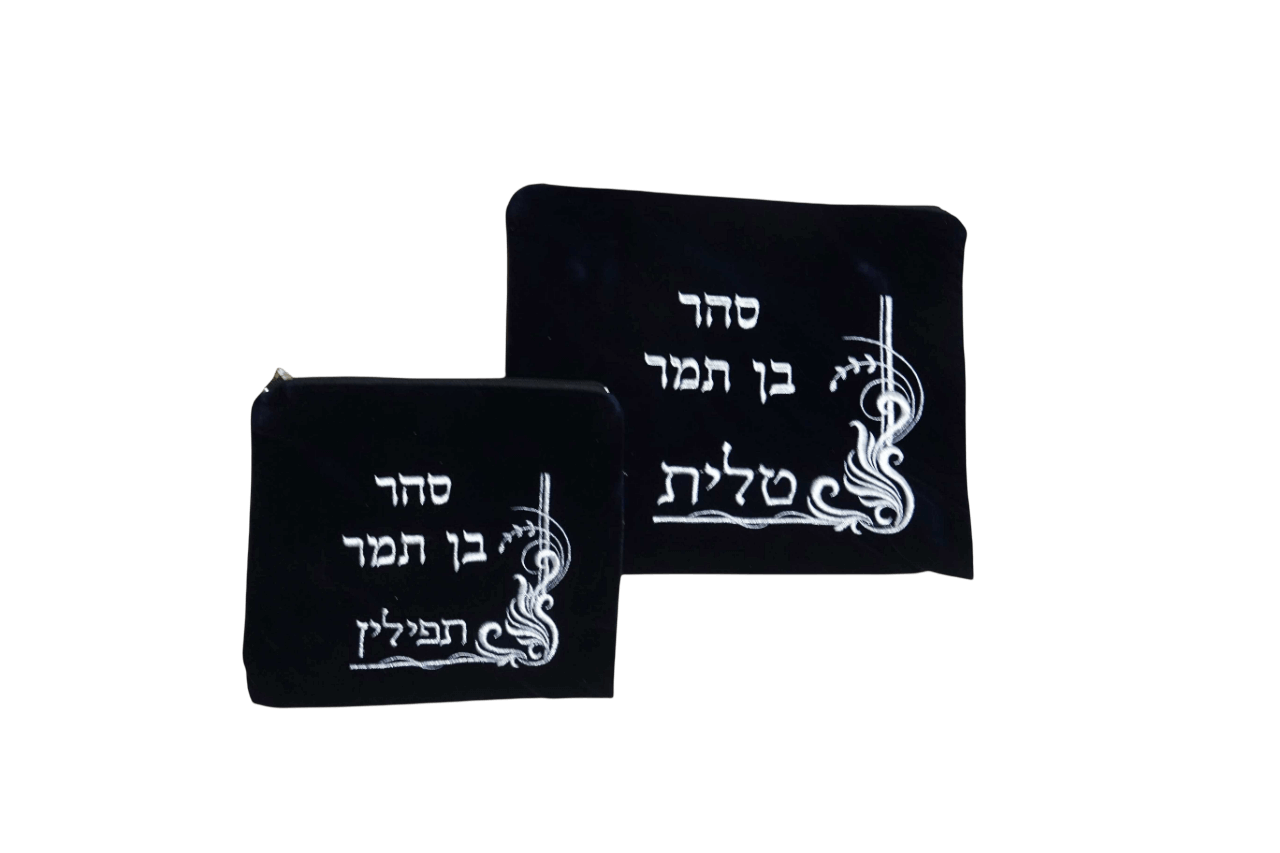
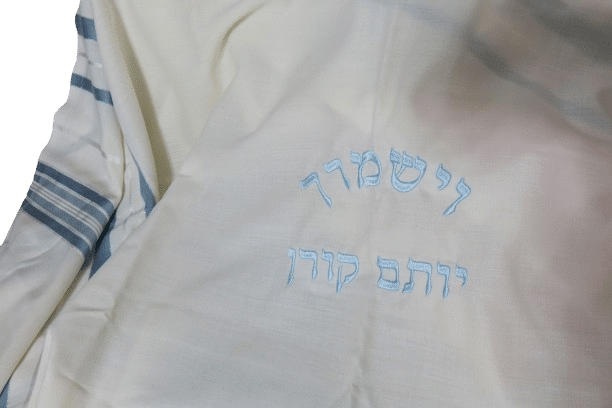
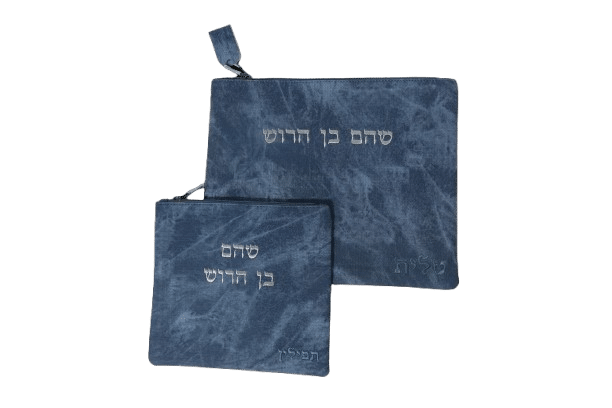
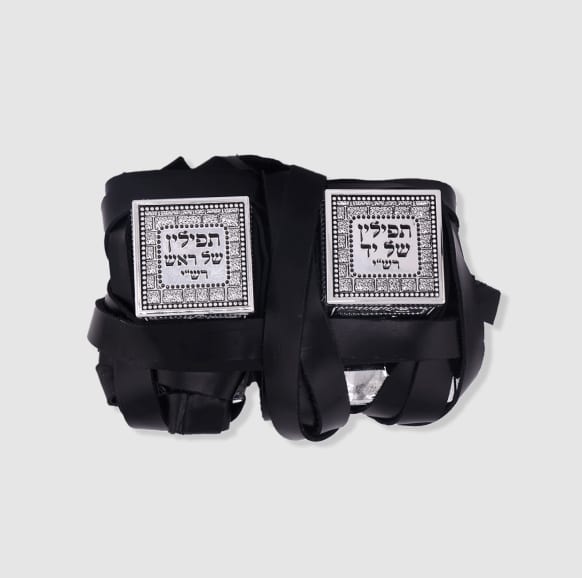
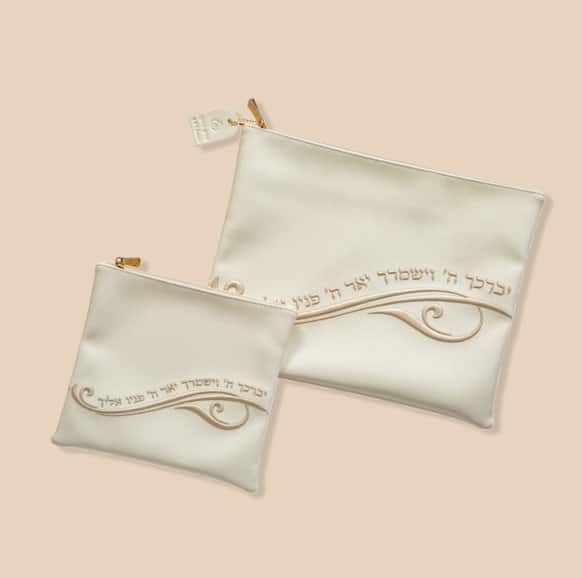
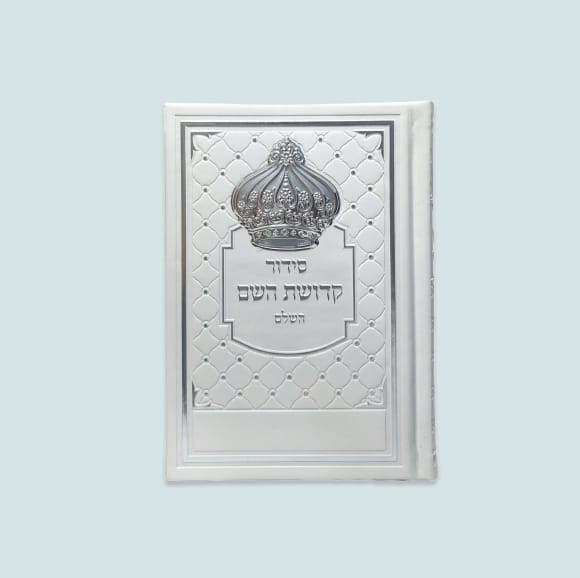
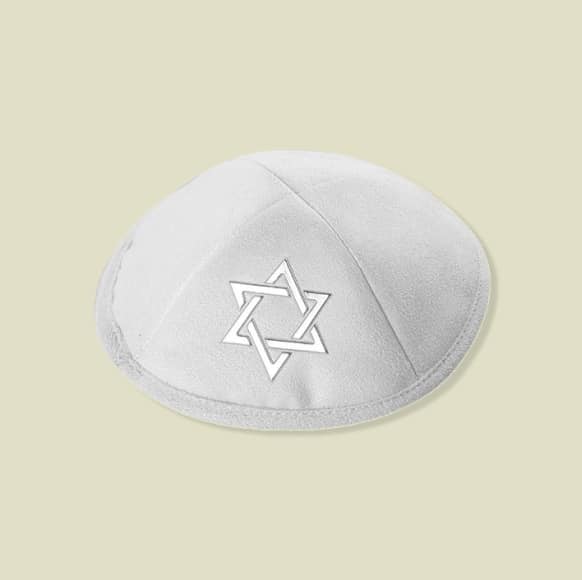
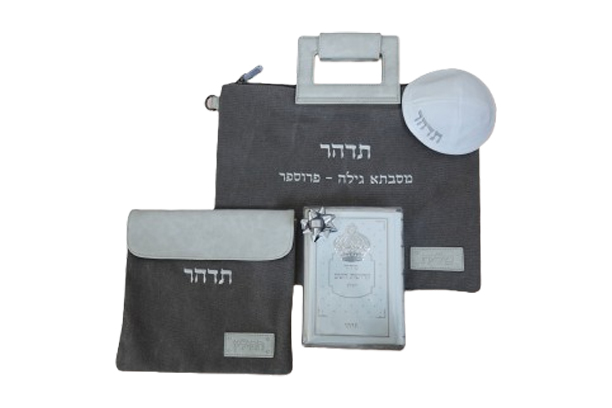
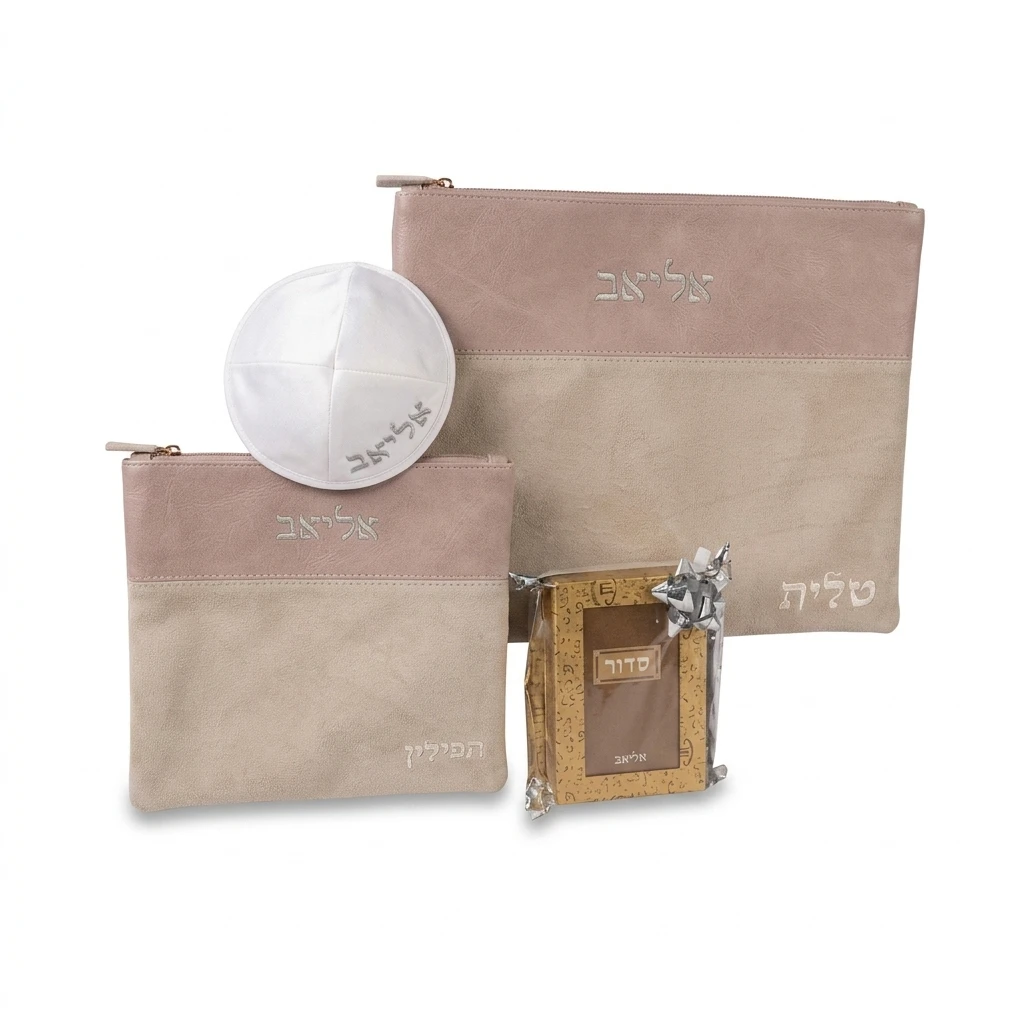
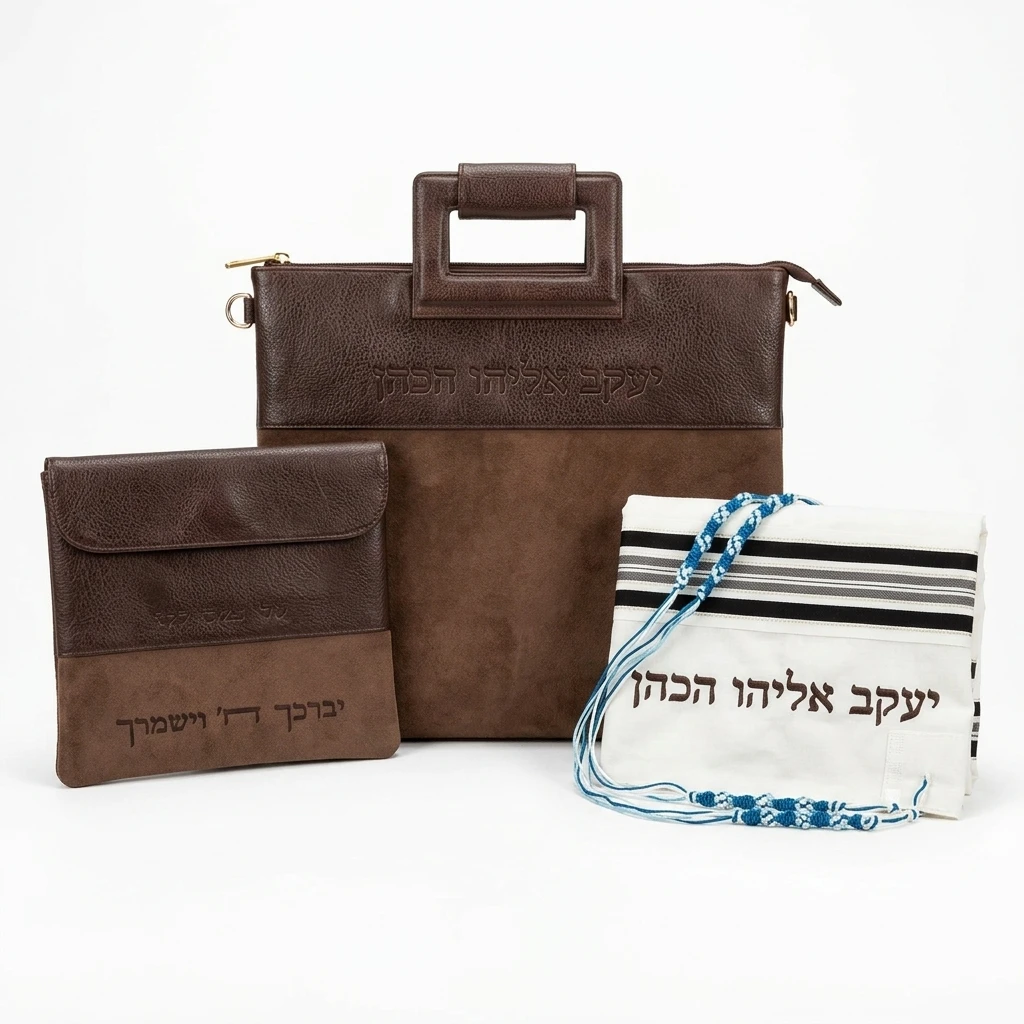
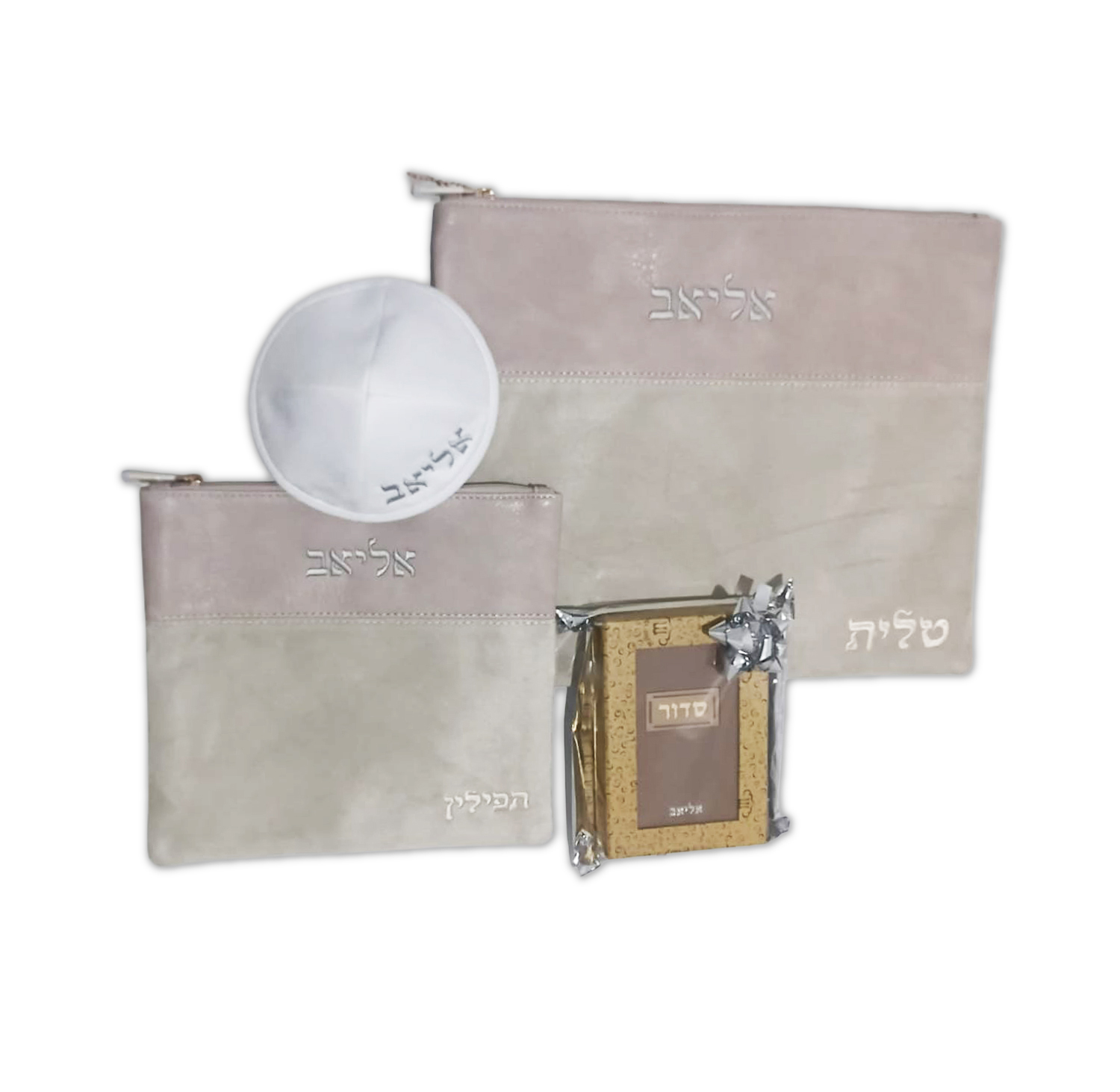
When purchasing a Tallit and Tefillin set, it's important to choose wisely. These are holy items meant to accompany you for many years — tefillin usually last for decades, even a lifetime. That's why it's worth investing thought and personalization.A Tallit and Tefillin set usually consists of 5 items: tefillin, tallit, a bag, a siddur, and a kippah.
For the tefillin, you'll need to decide whether to go with basic kashrut, mehudar (enhanced), or mehadrin min ha-mehadrin (the most stringent level).Whether the nusach is Sephardic or Ashkenazi (generally following the father's family tradition).And whether the tefillin are intended for a right-handed or left-handed person (since someone who writes with their left hand, or does most actions with their left hand, needs to place the tefillin on the right arm — which requires special binding when preparing the tefillin).
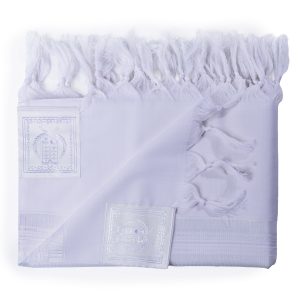
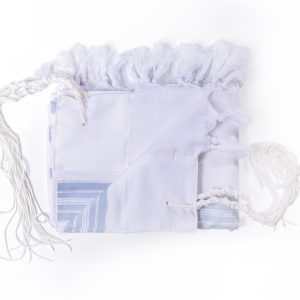
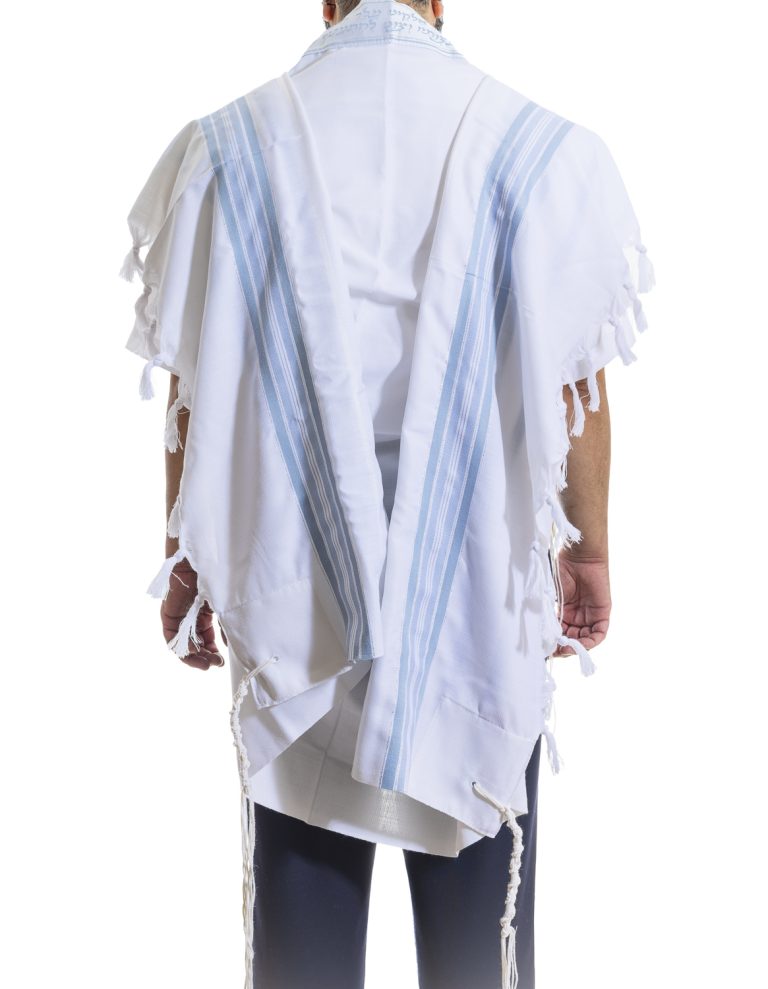
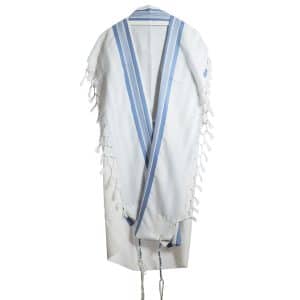
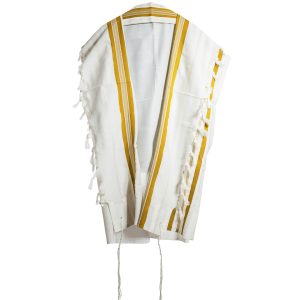
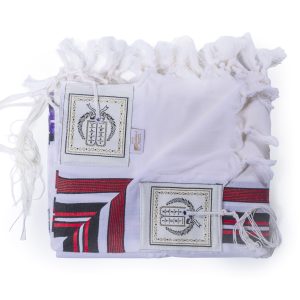
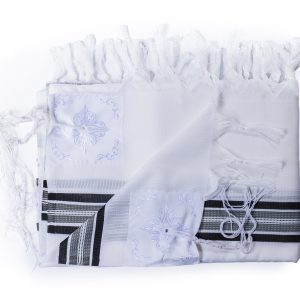
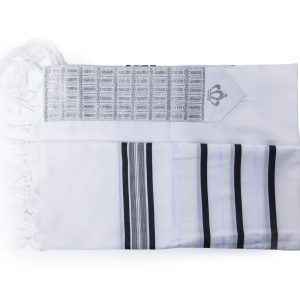
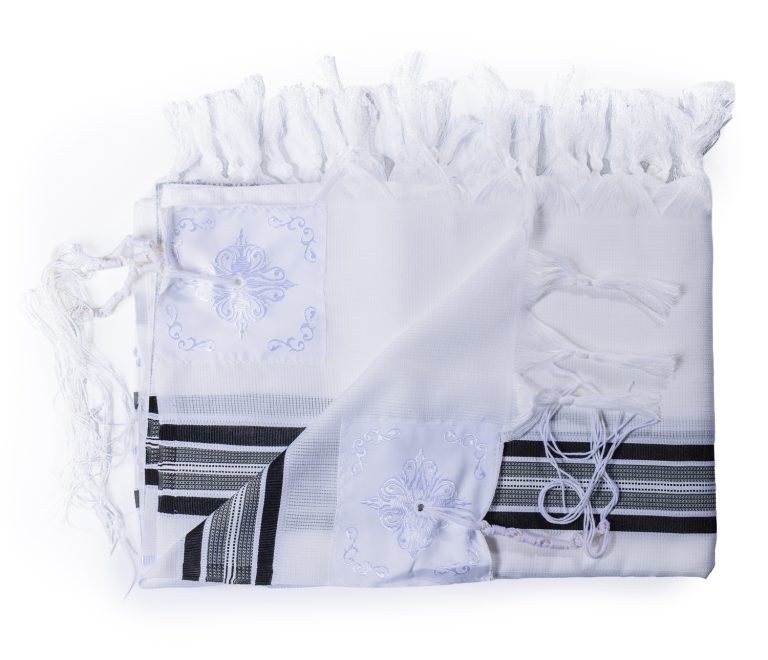
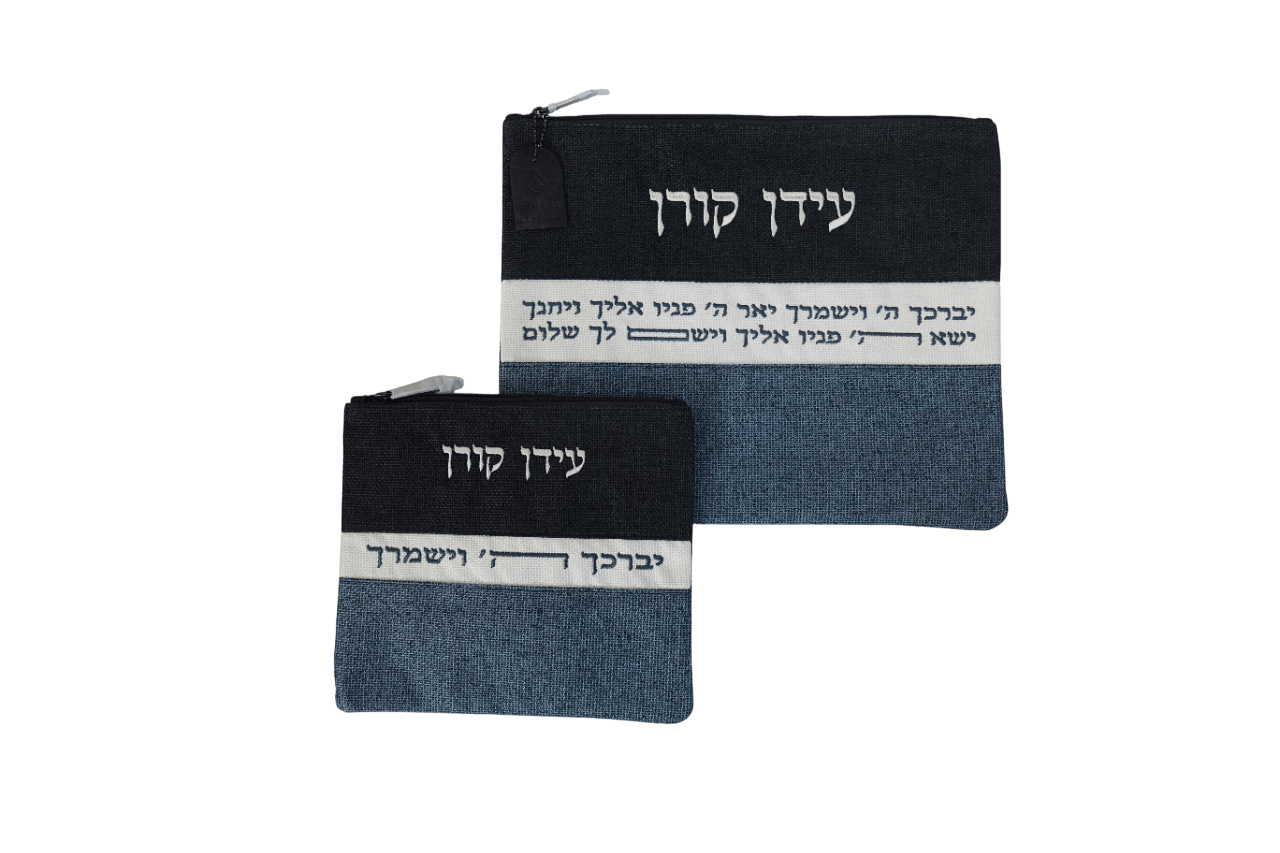
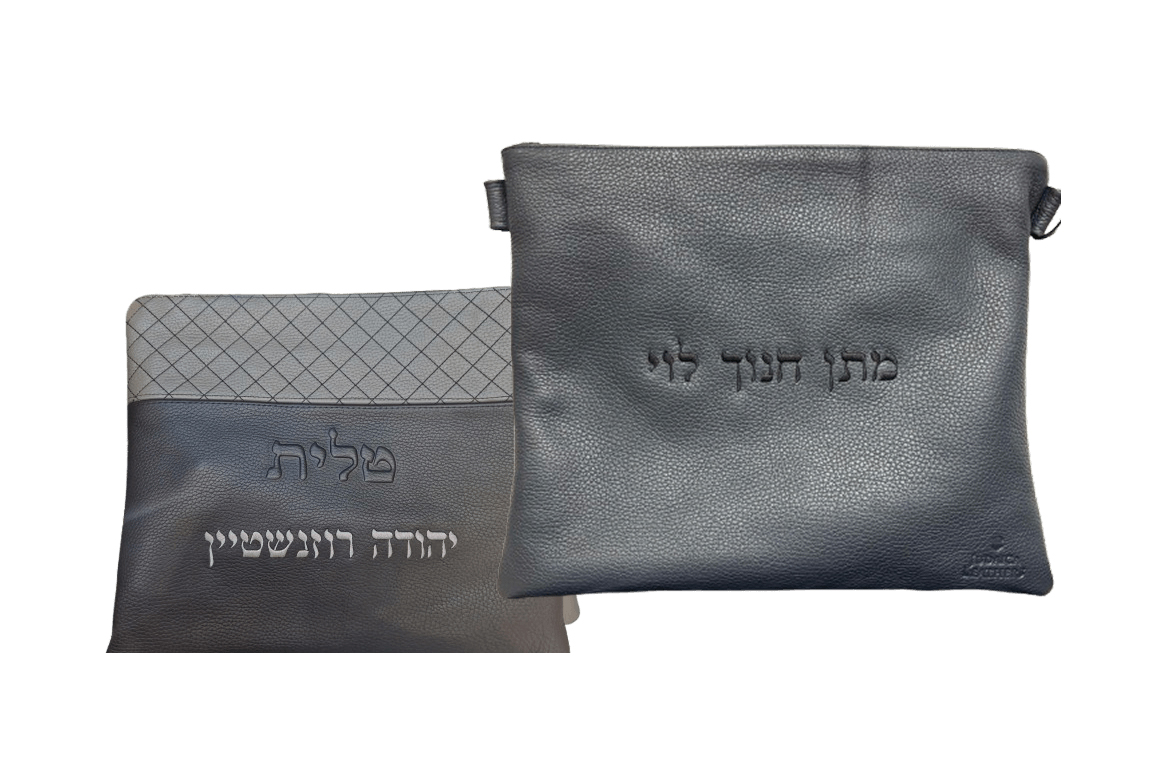
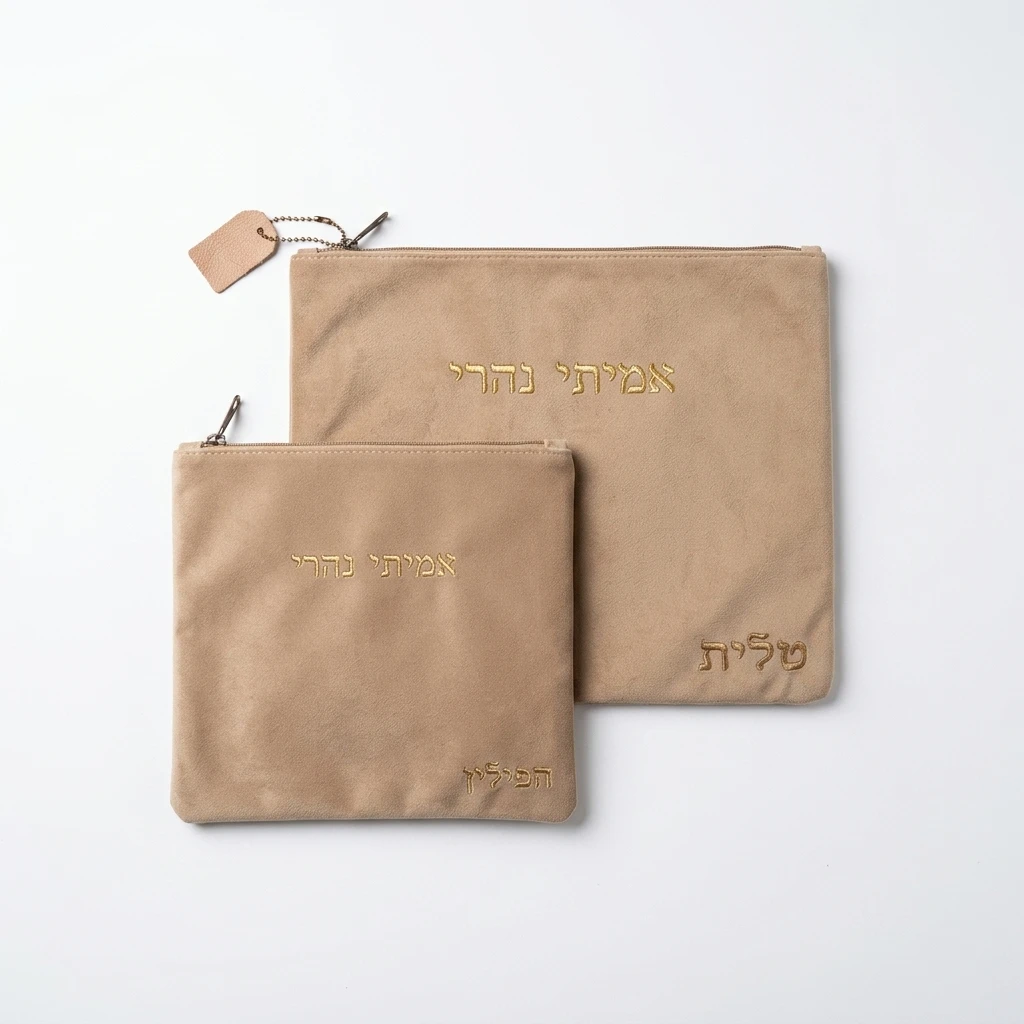
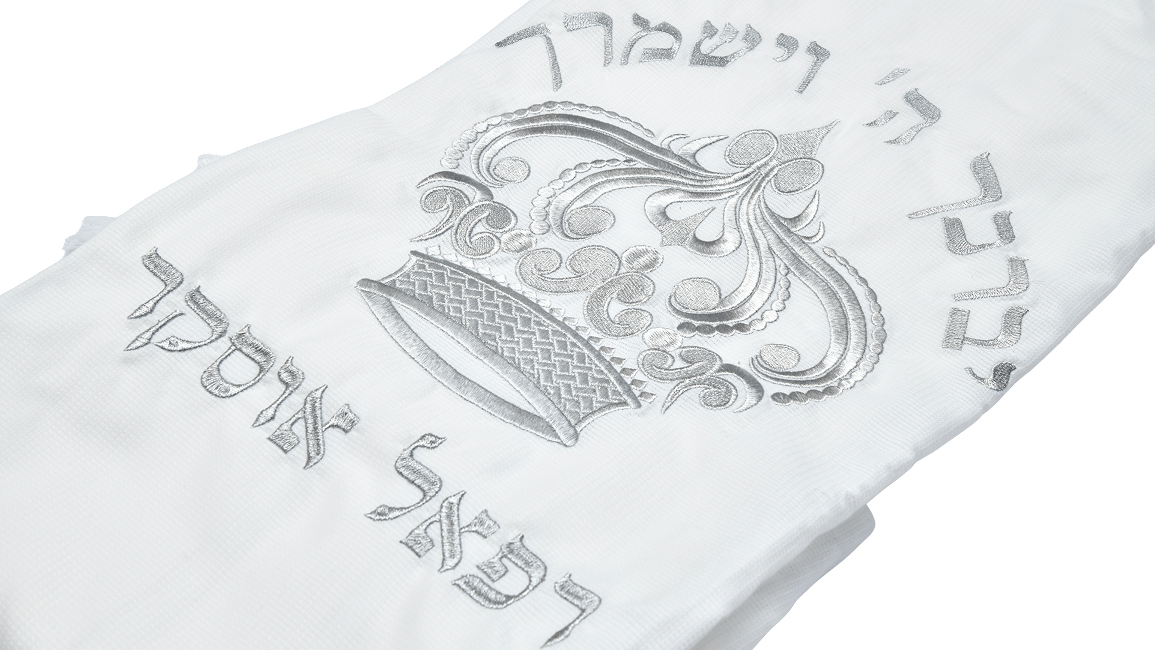
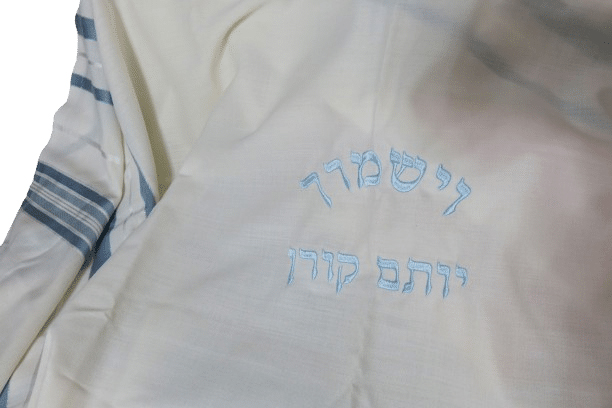
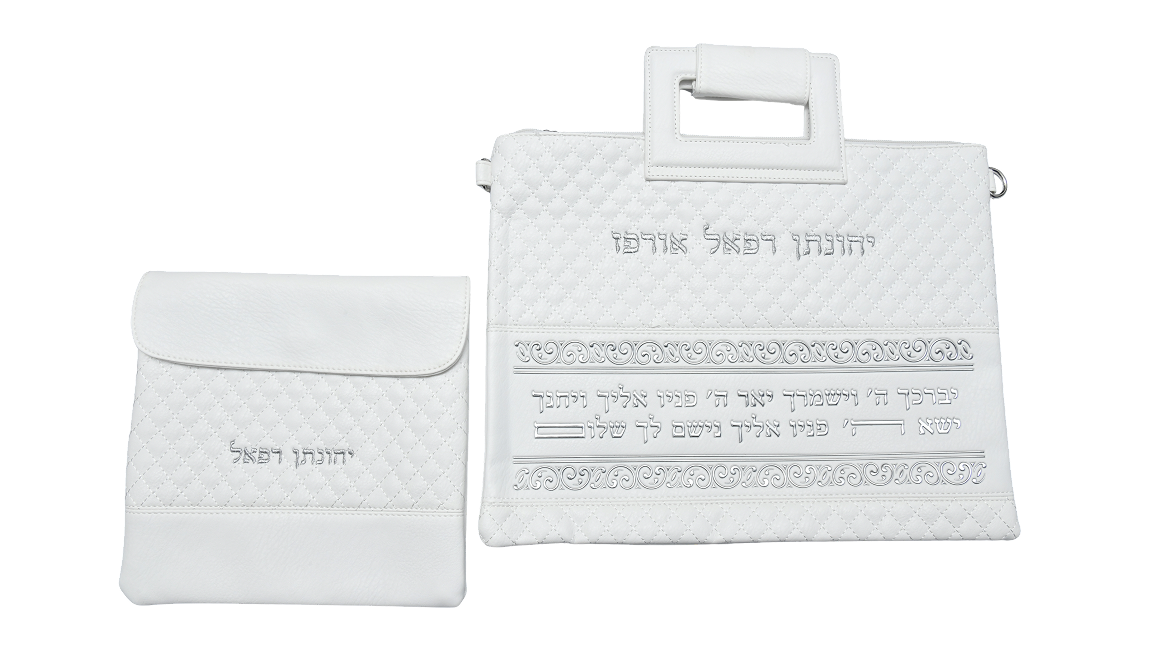
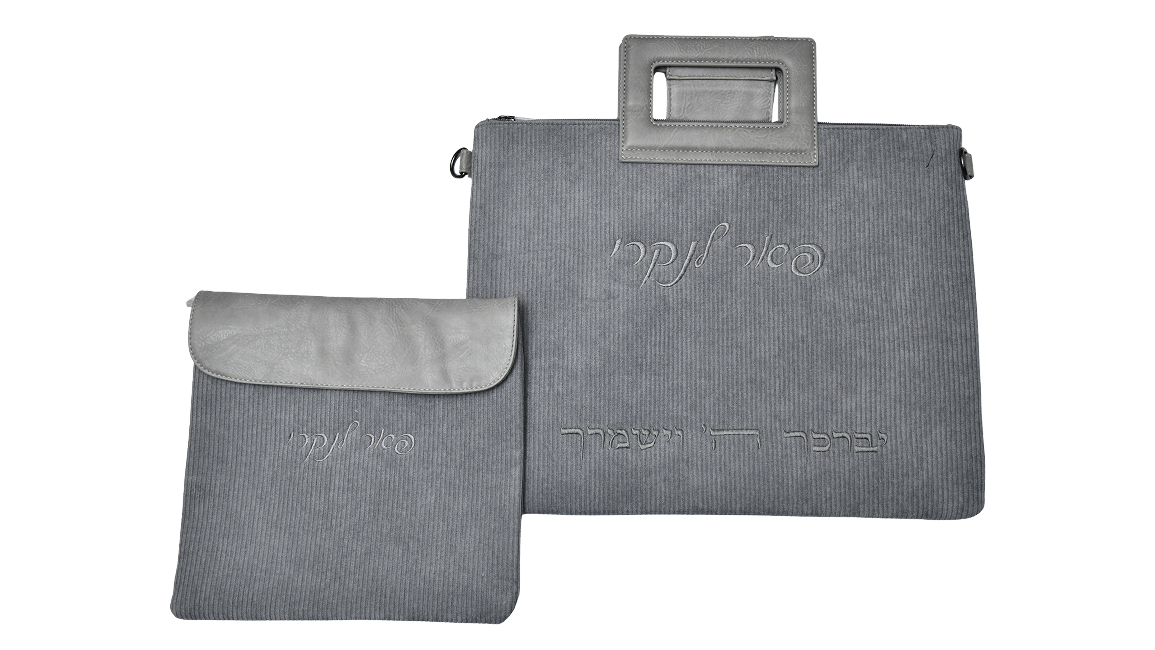
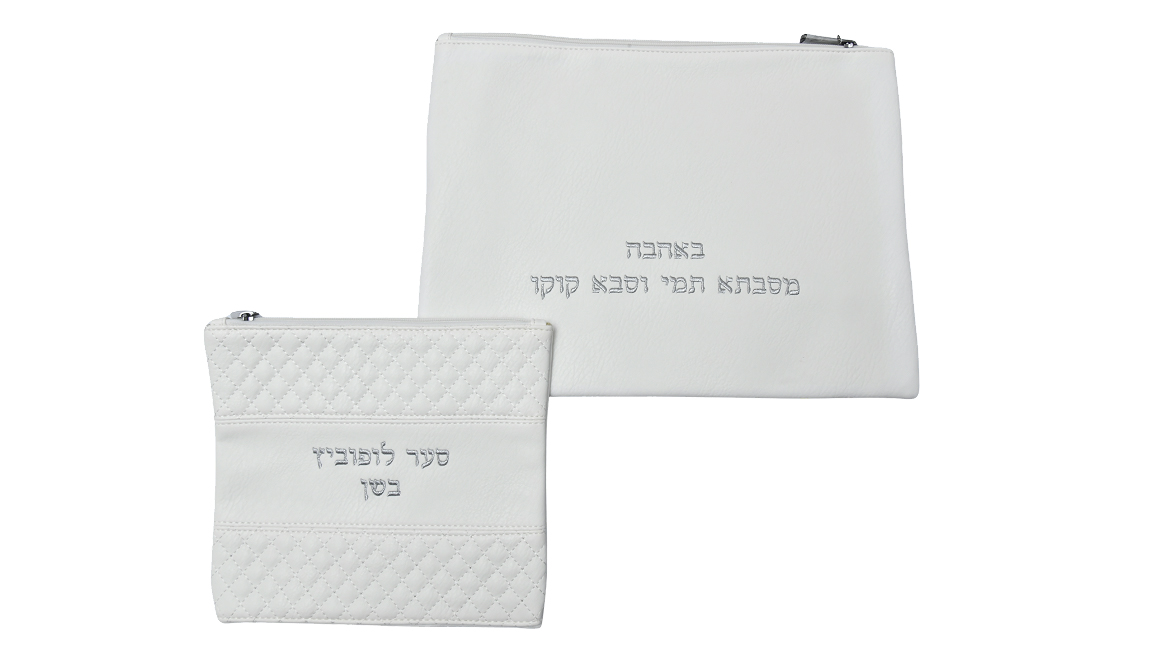
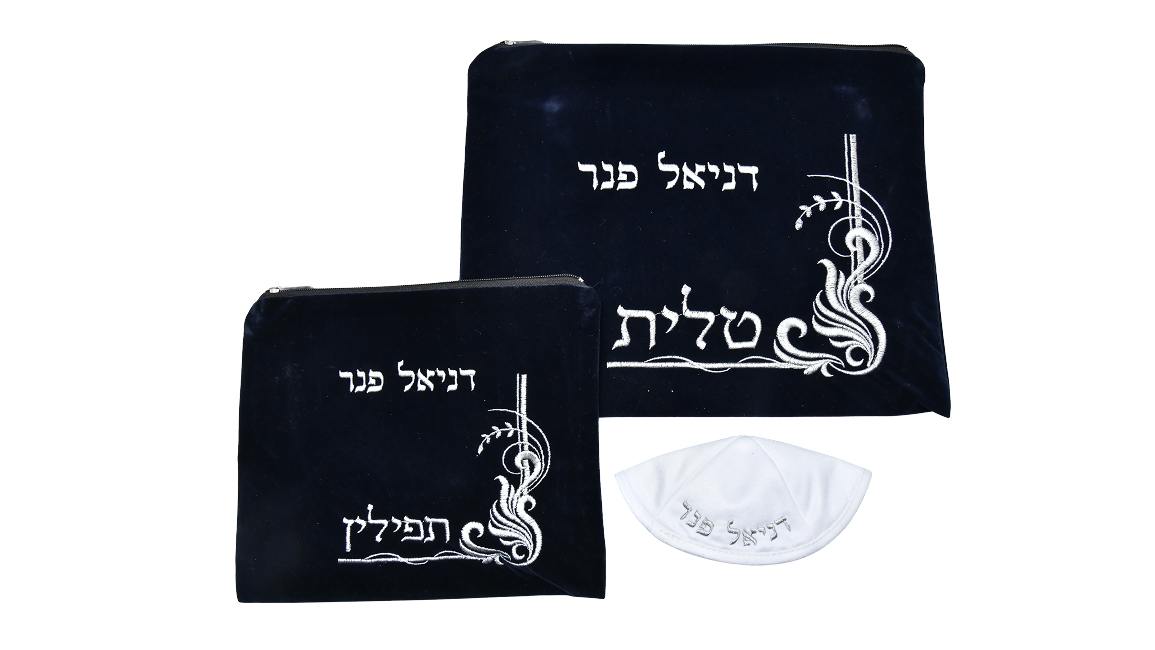
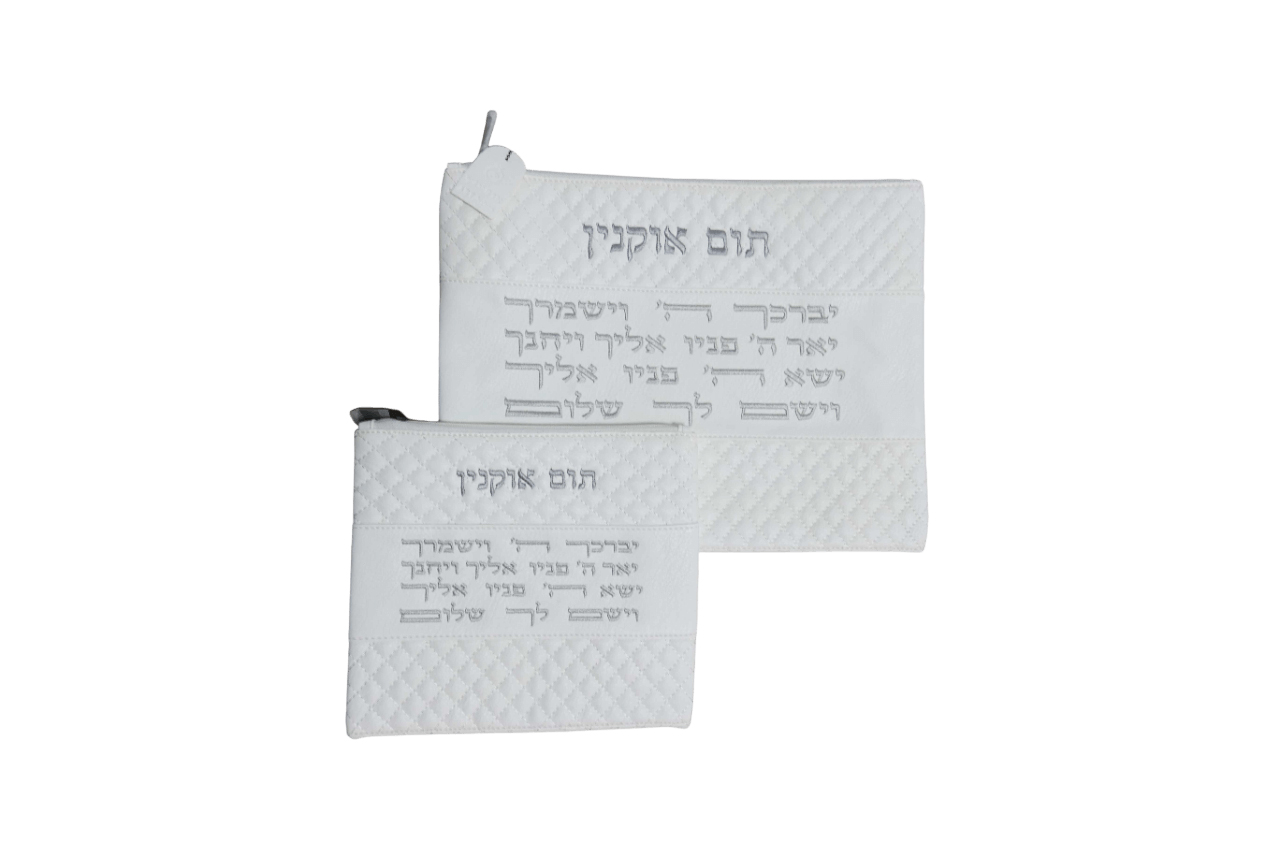
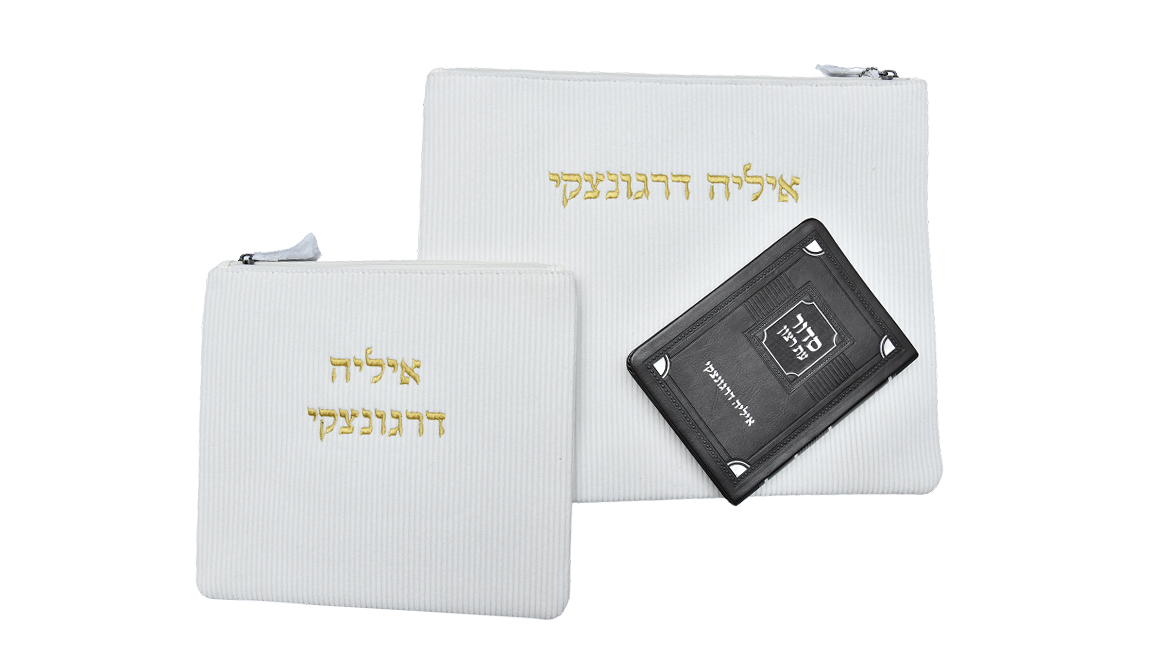
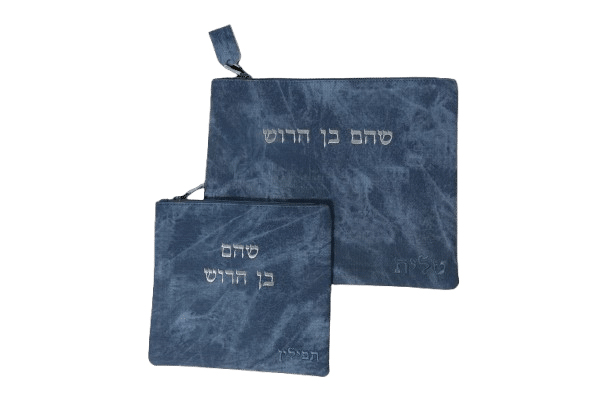
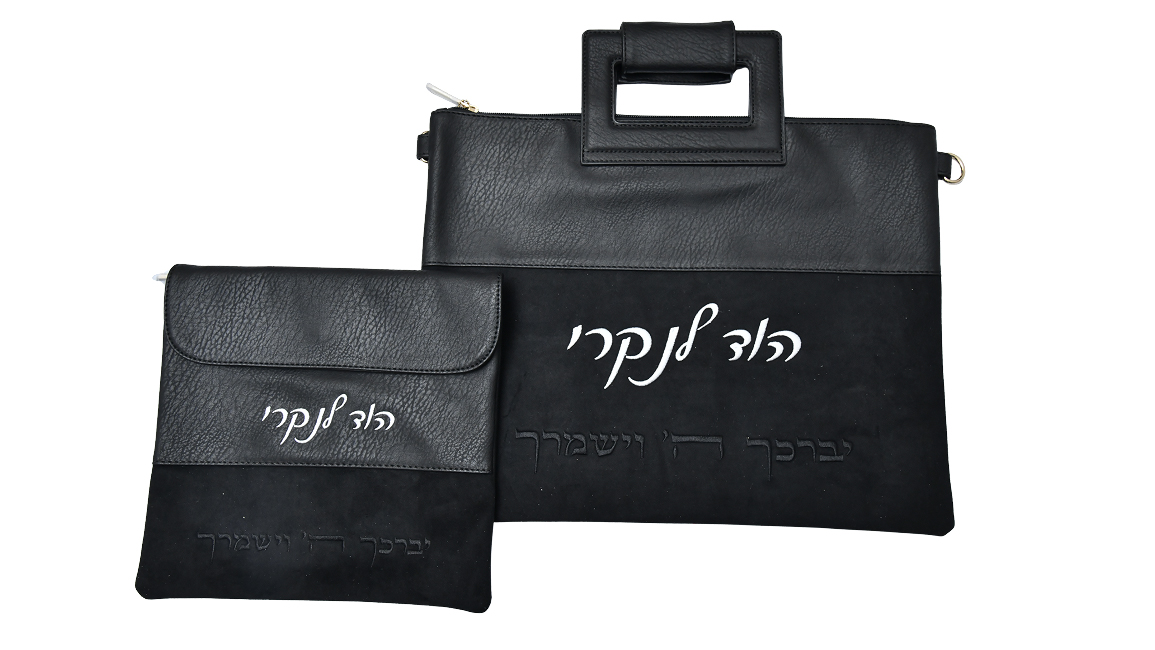
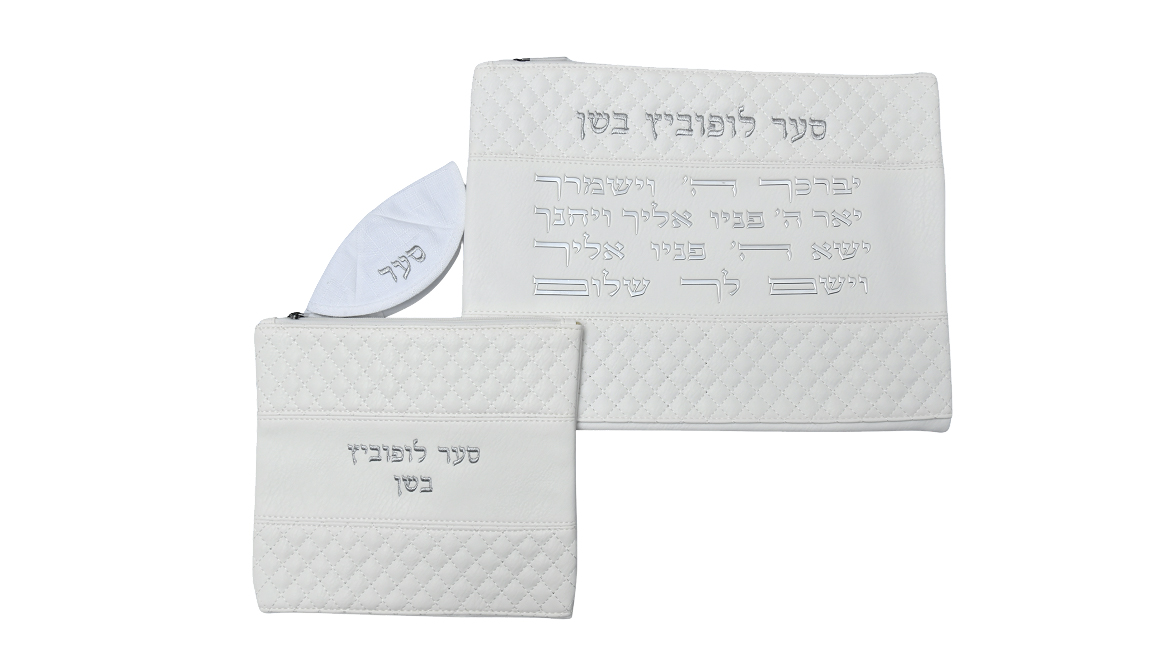
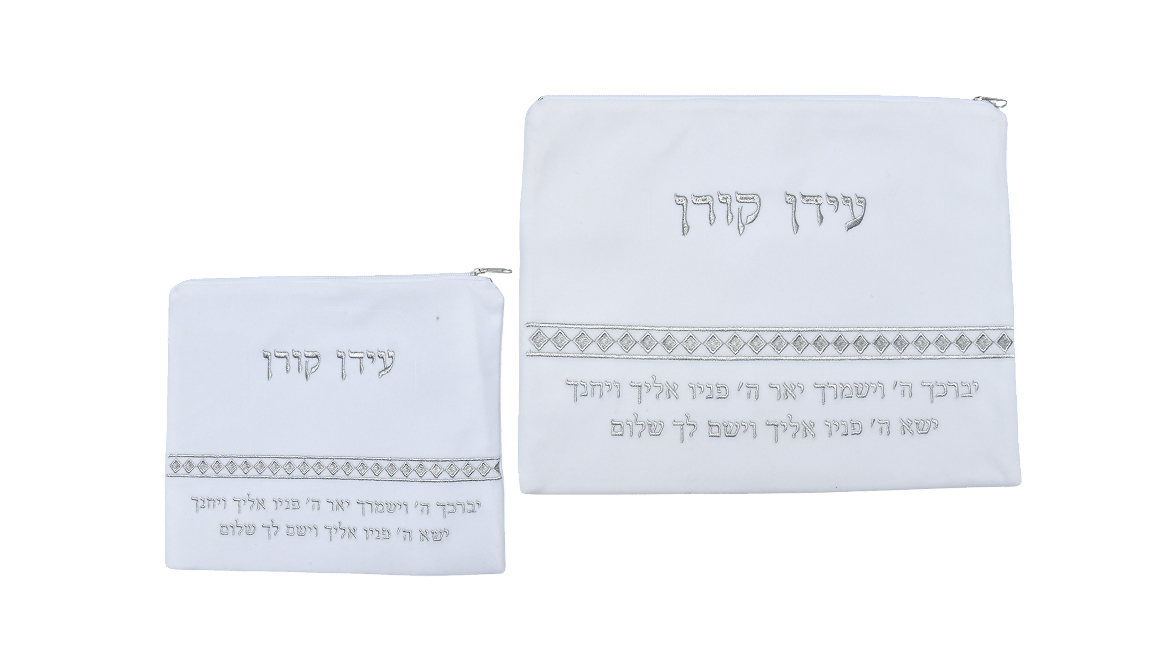
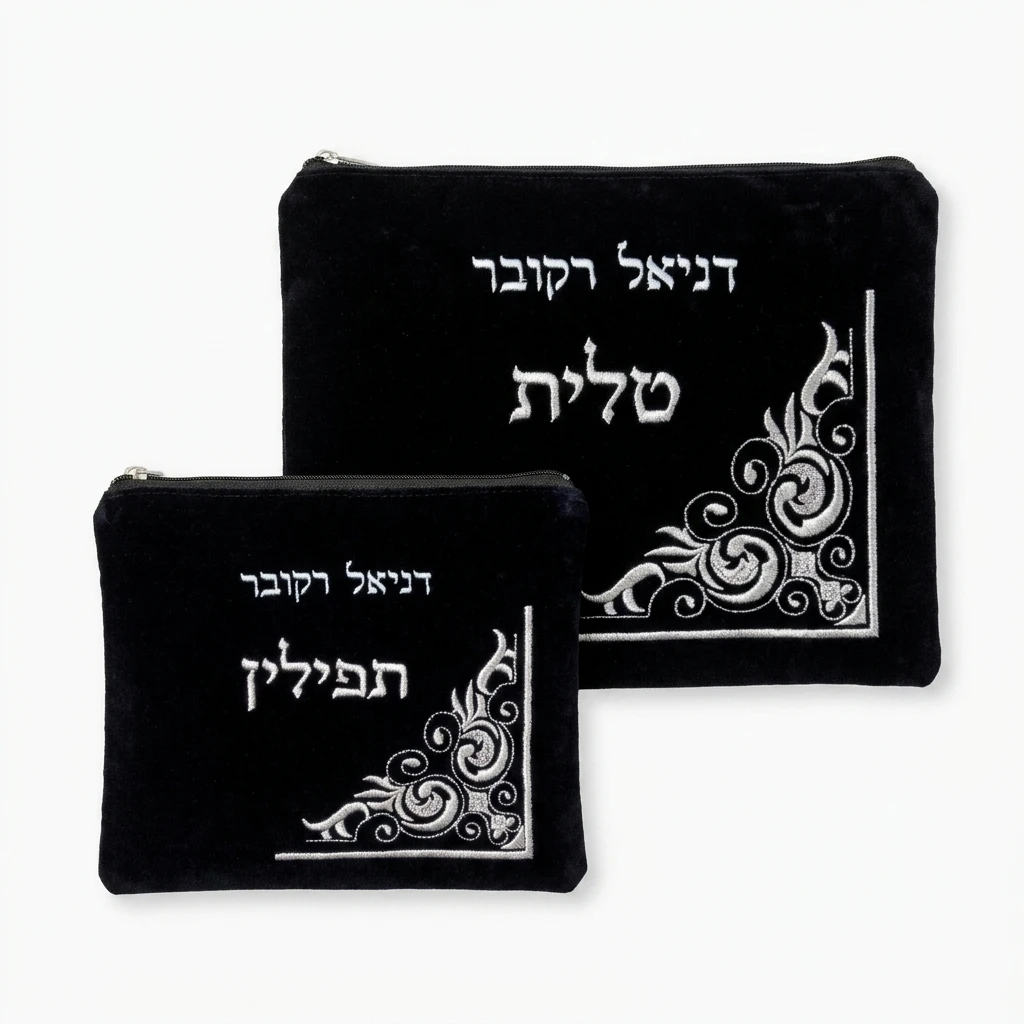
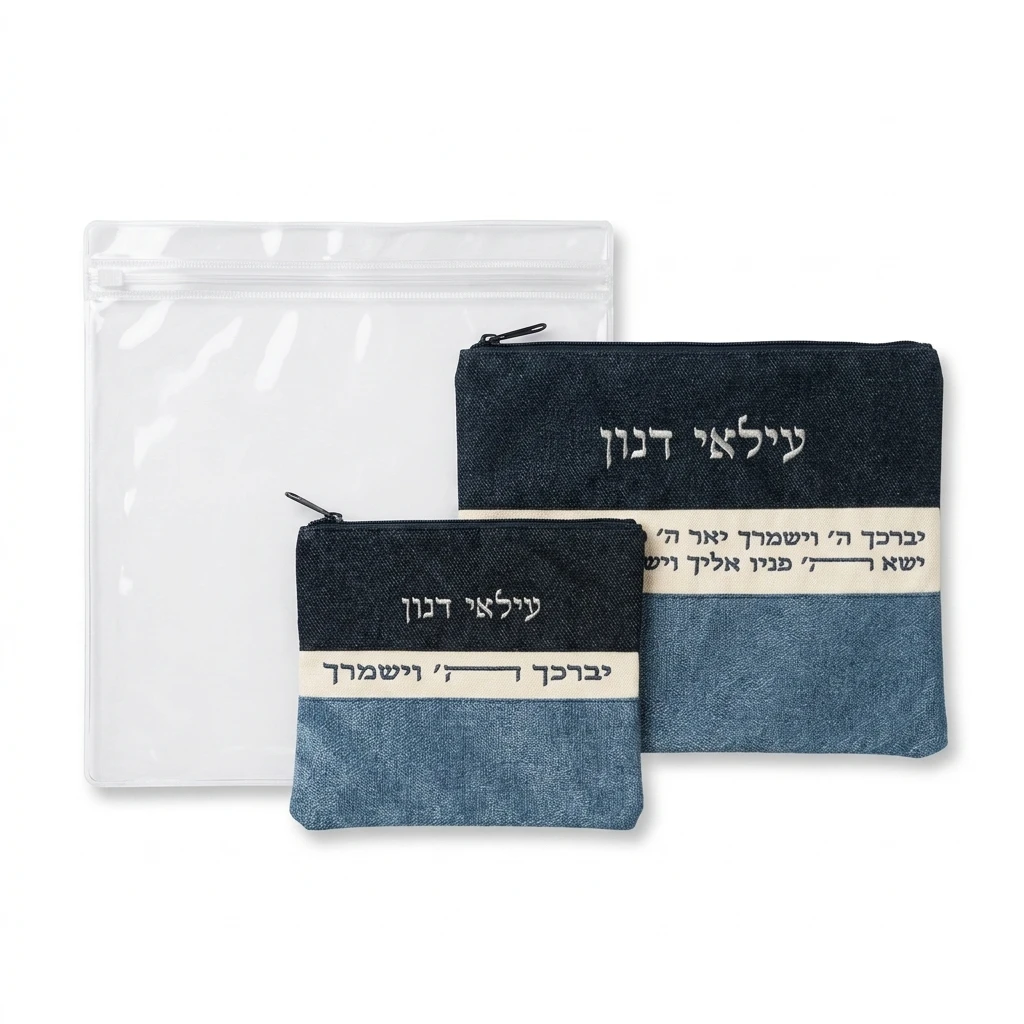
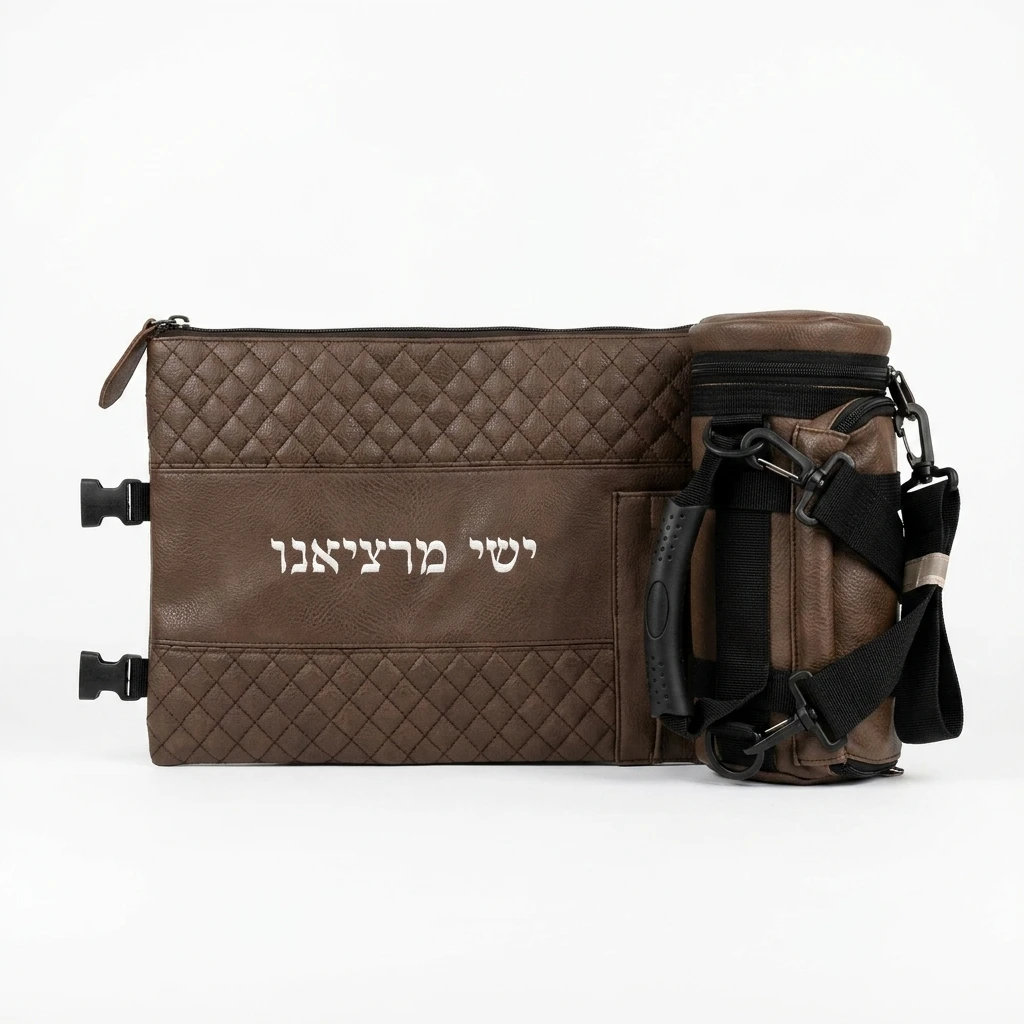
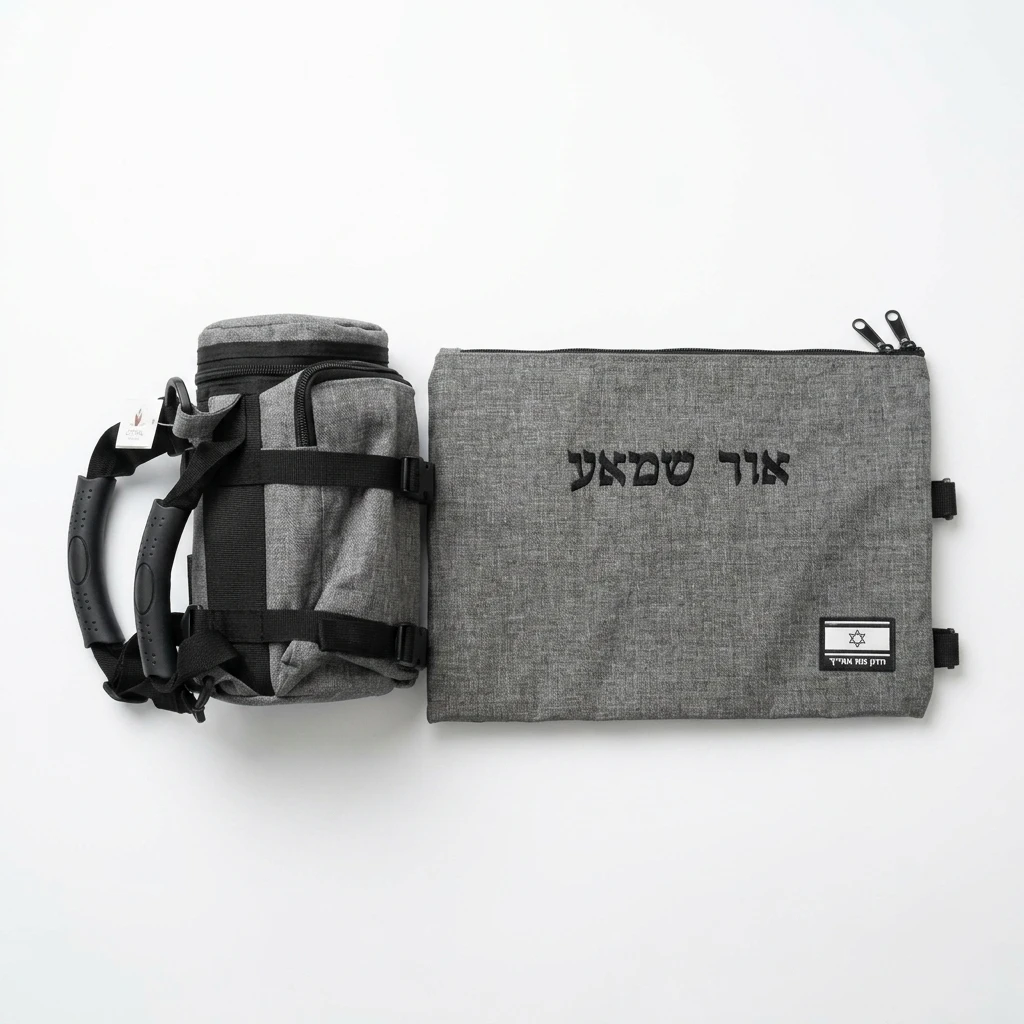
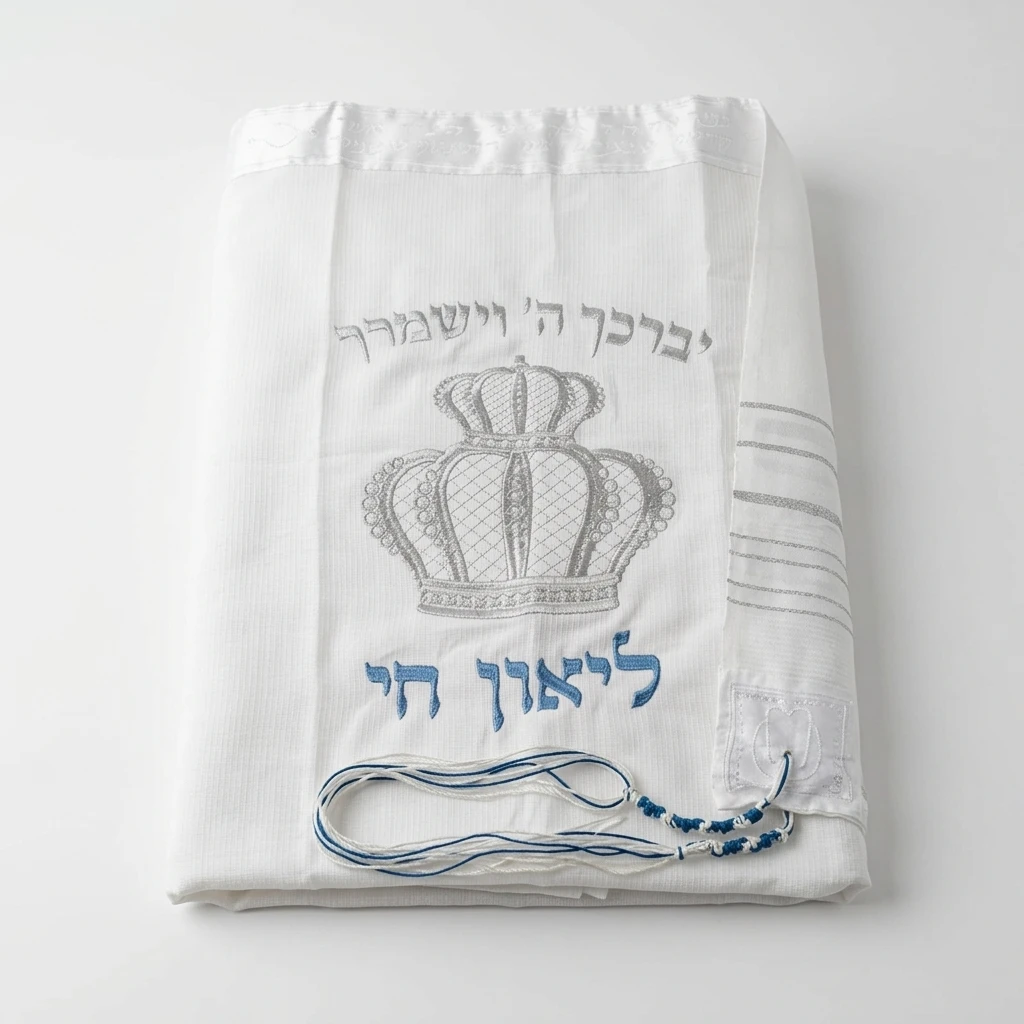
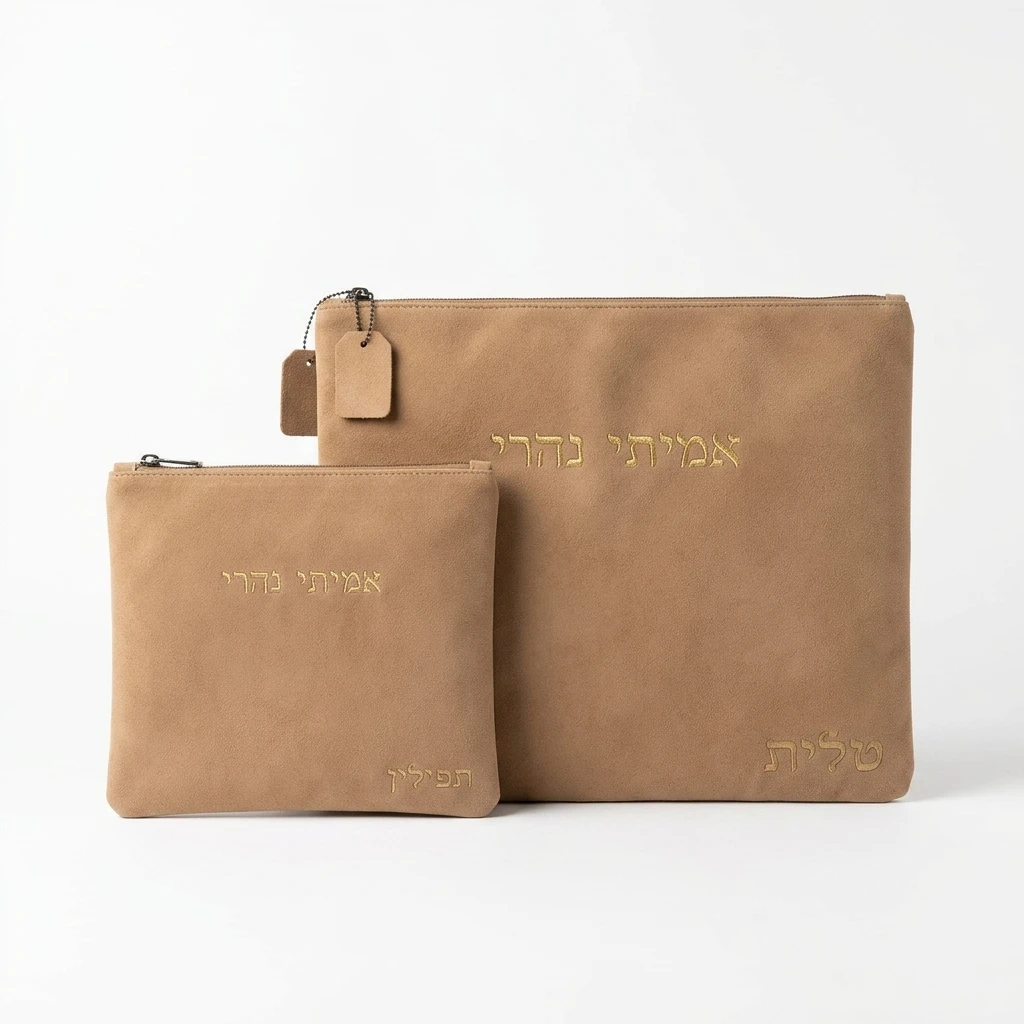
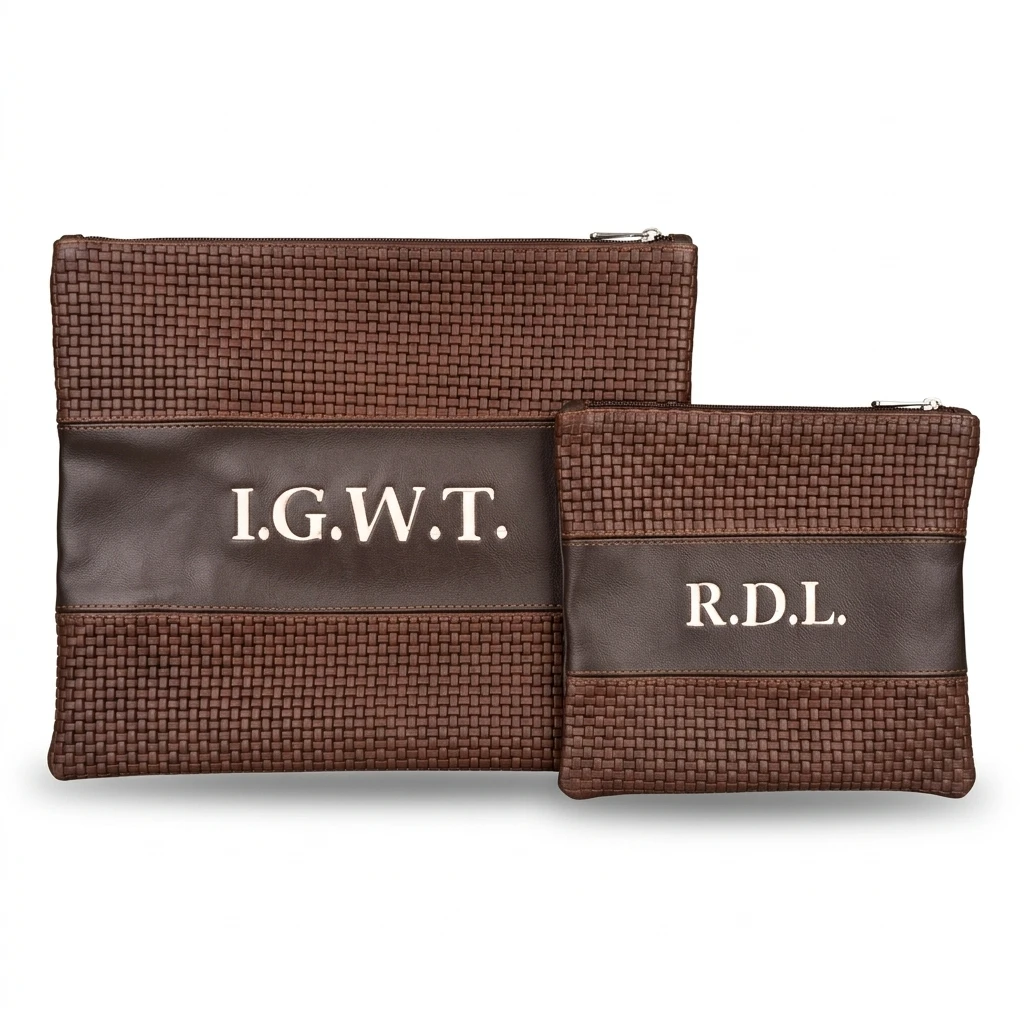
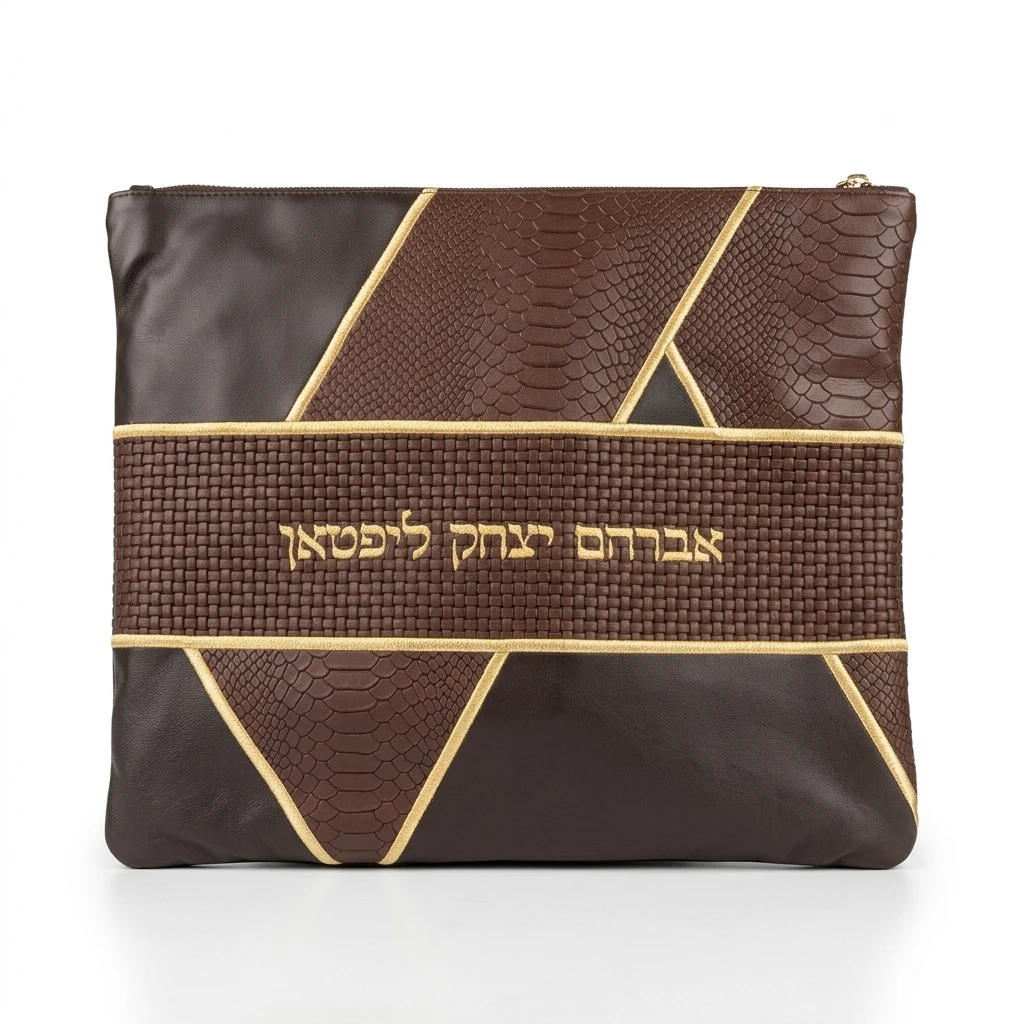
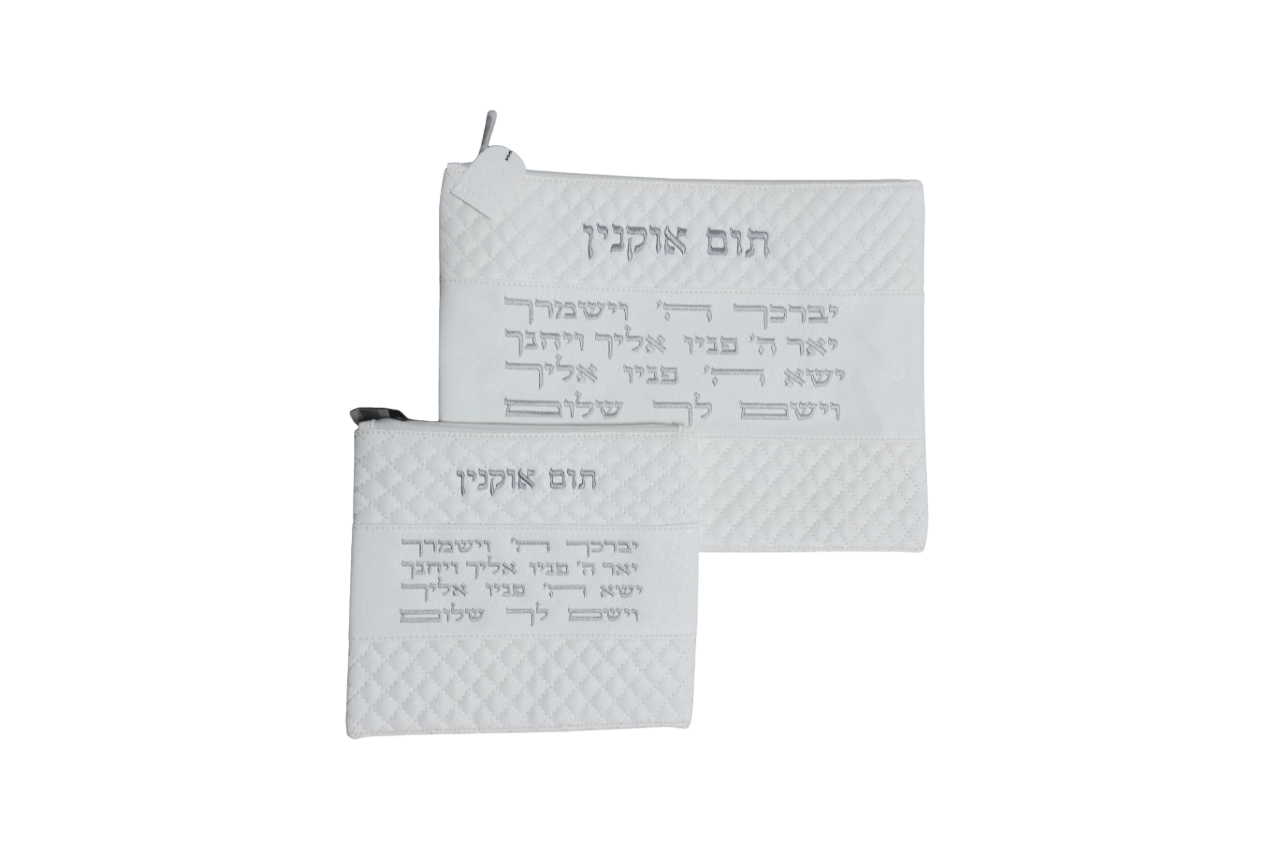
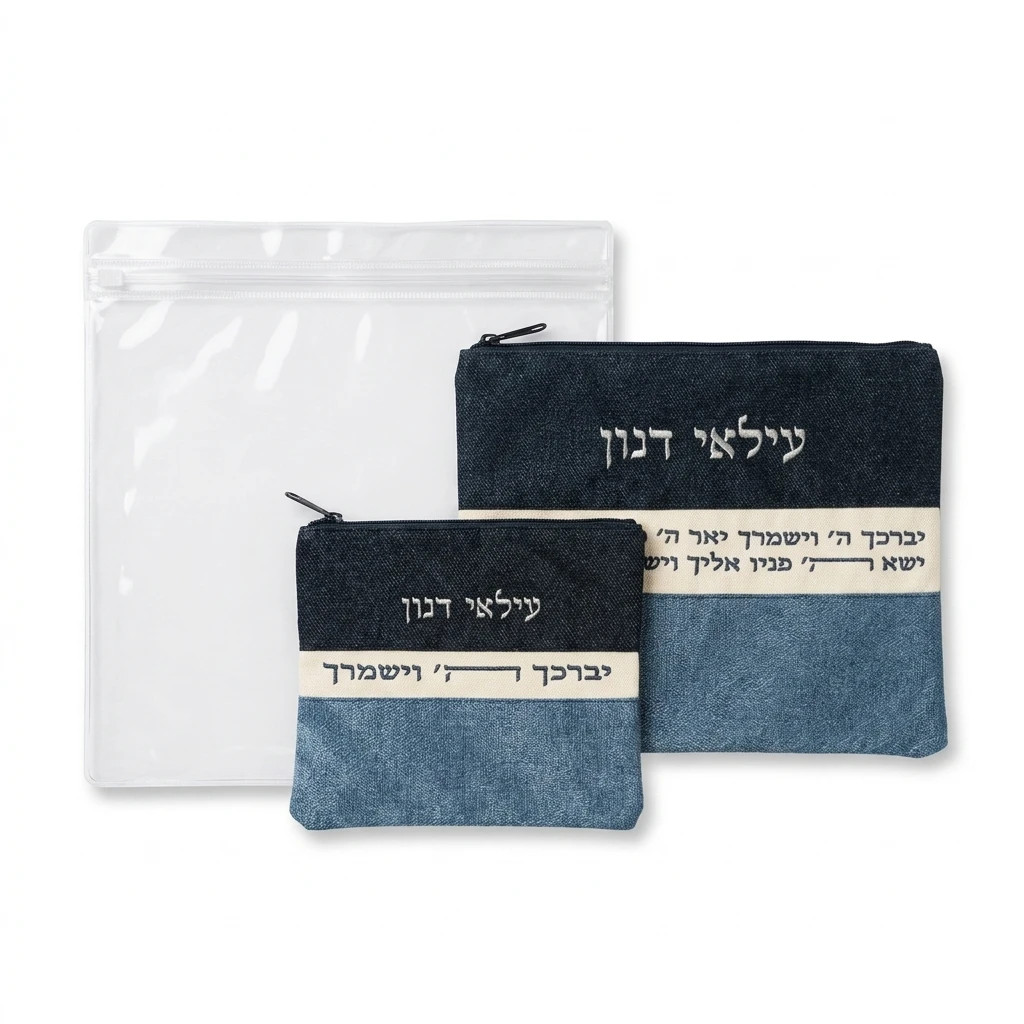
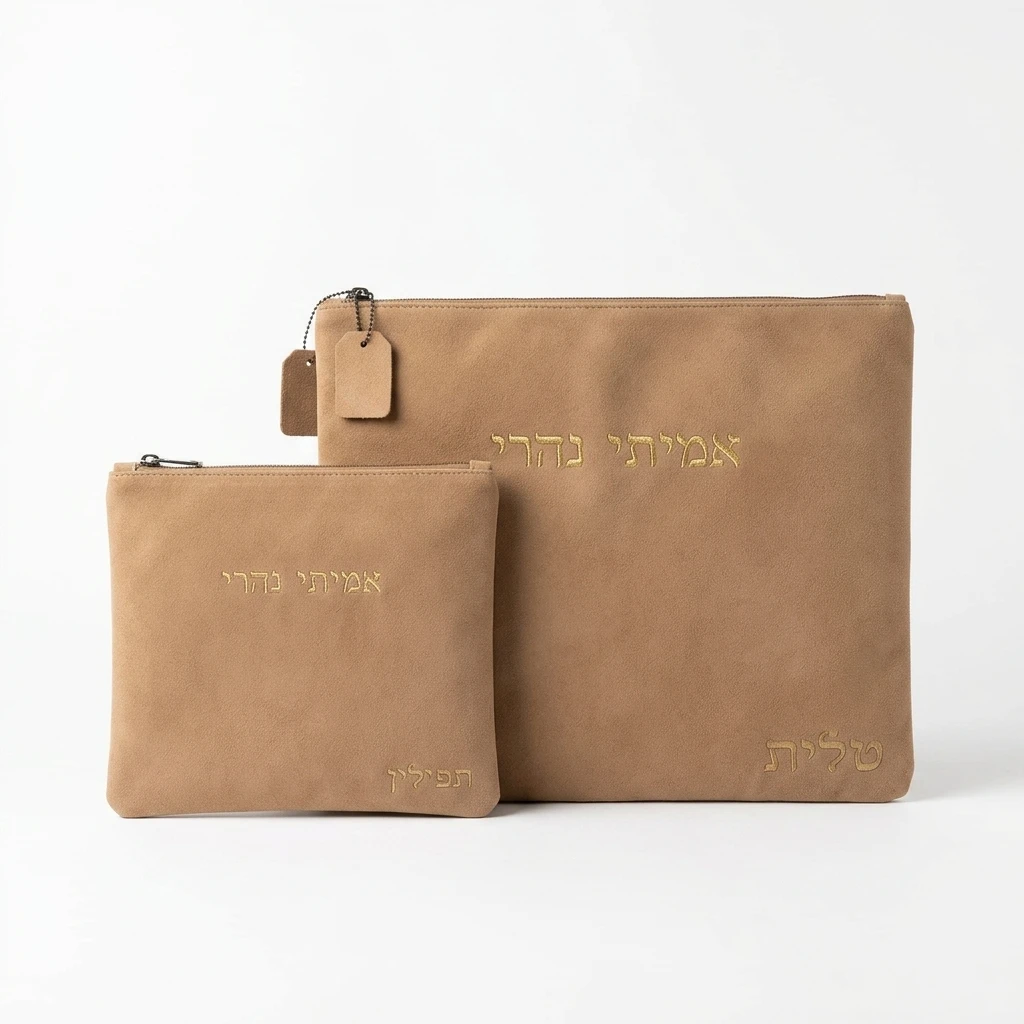
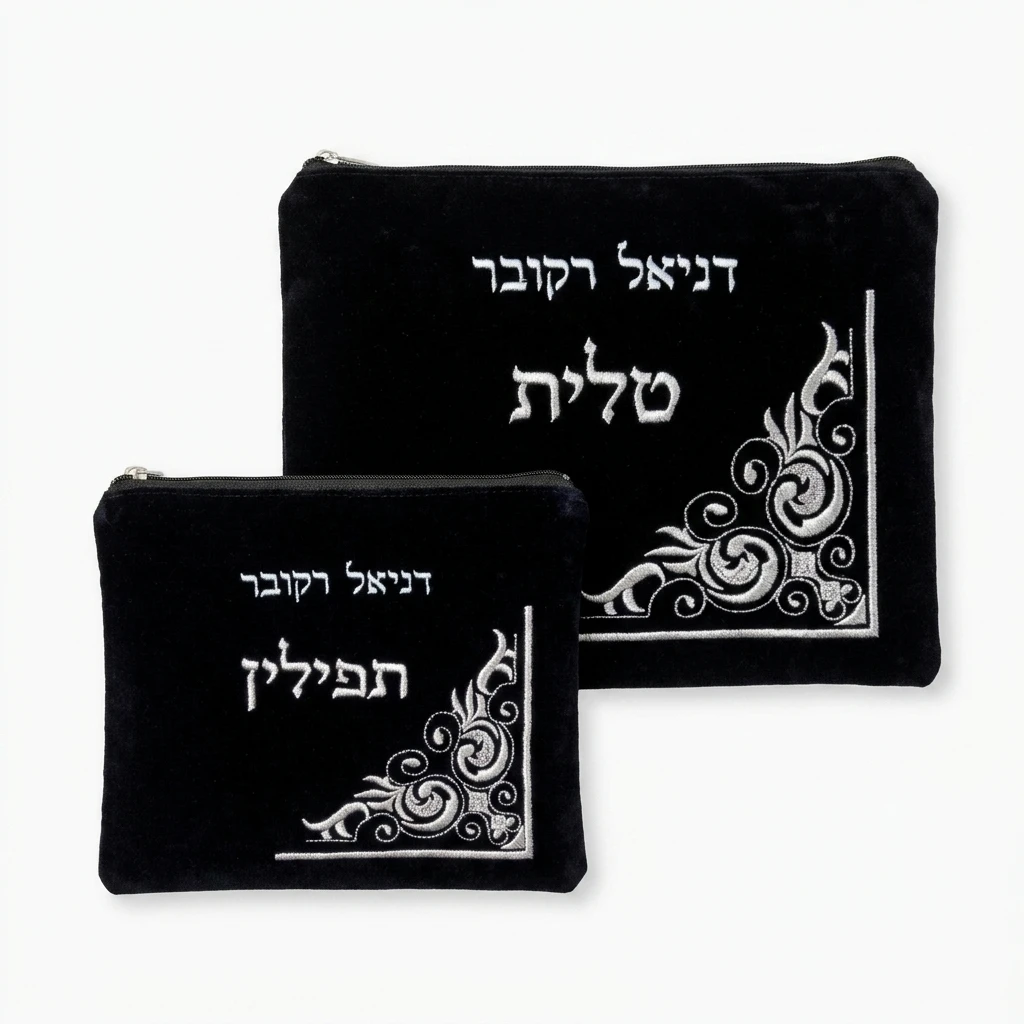
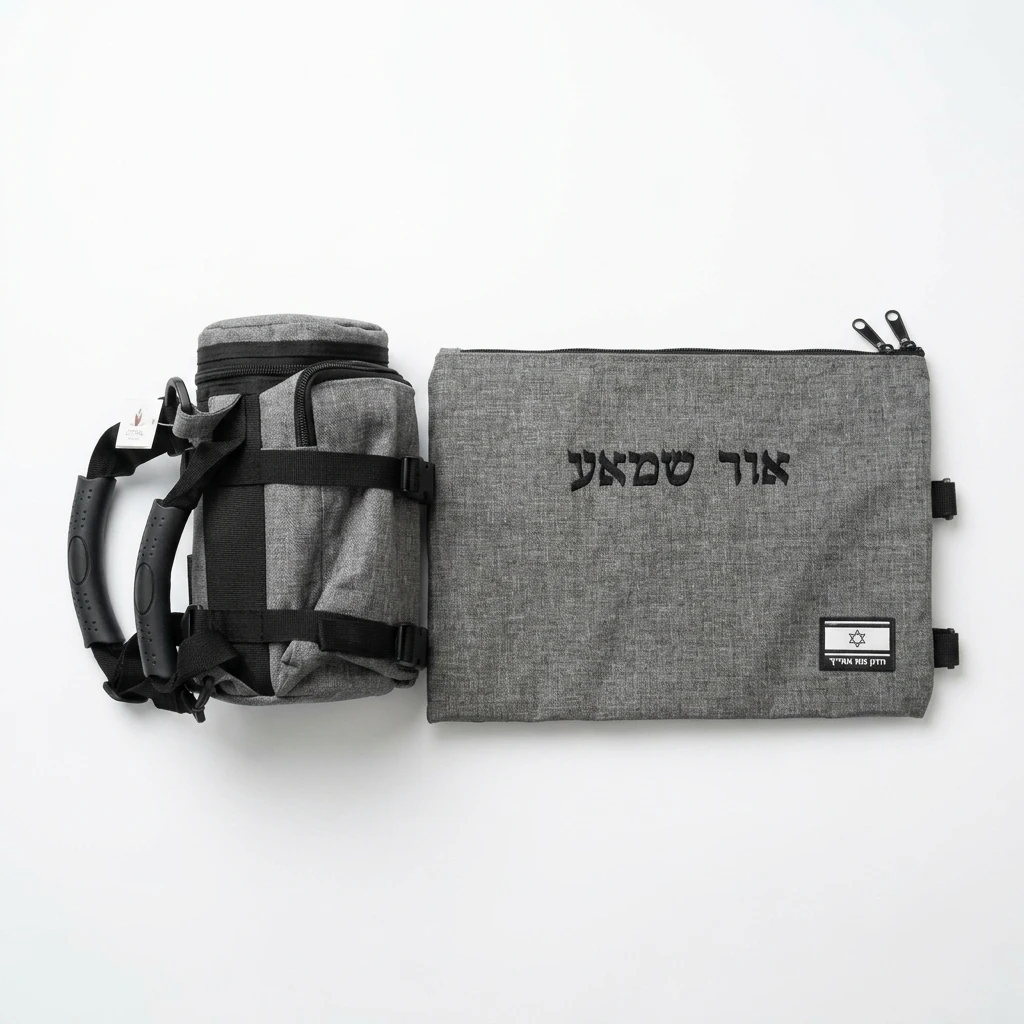
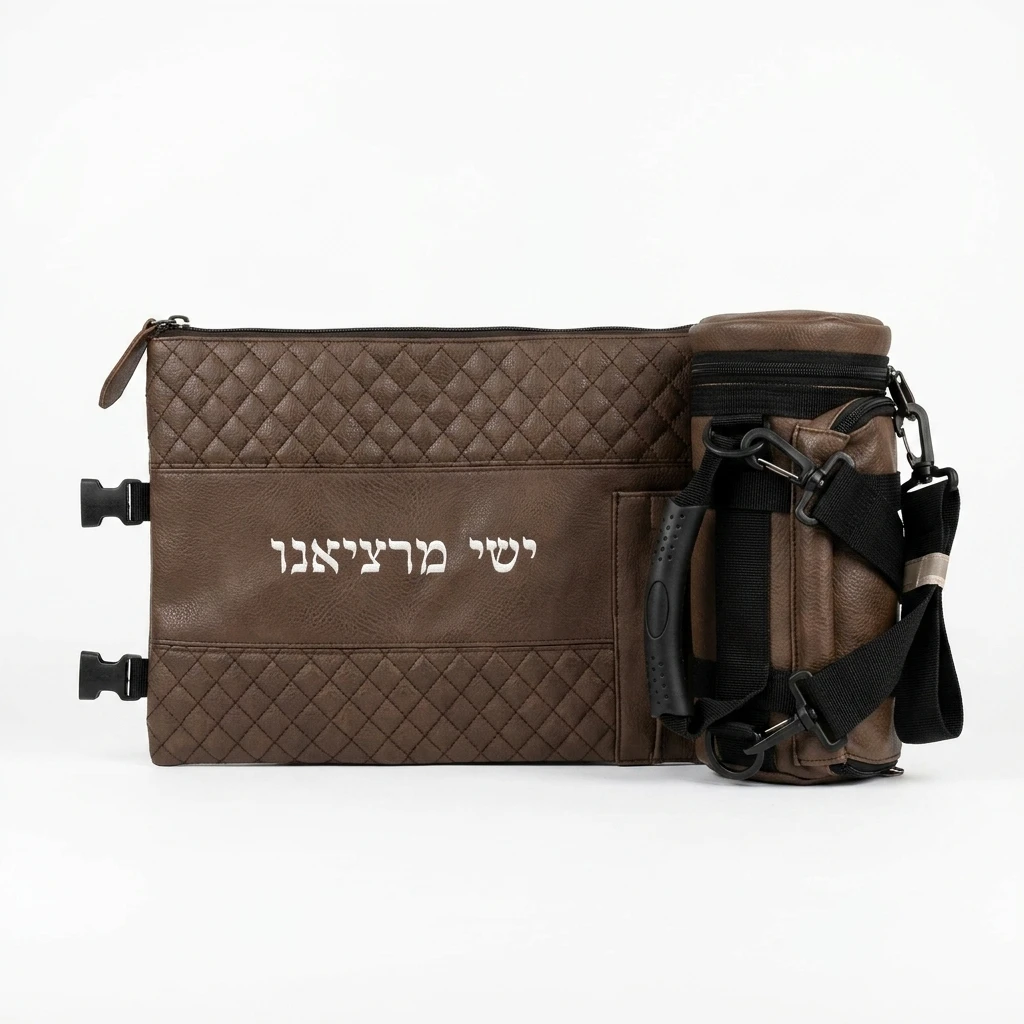
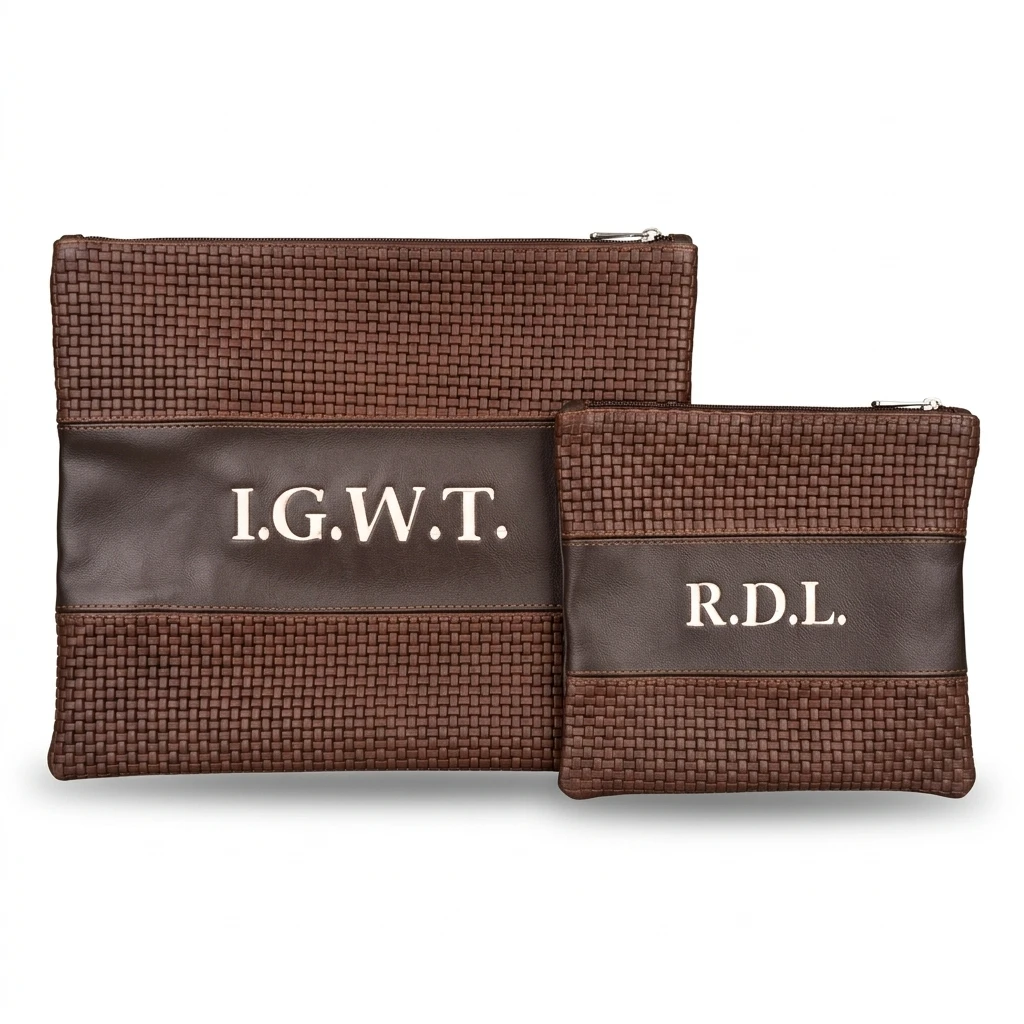
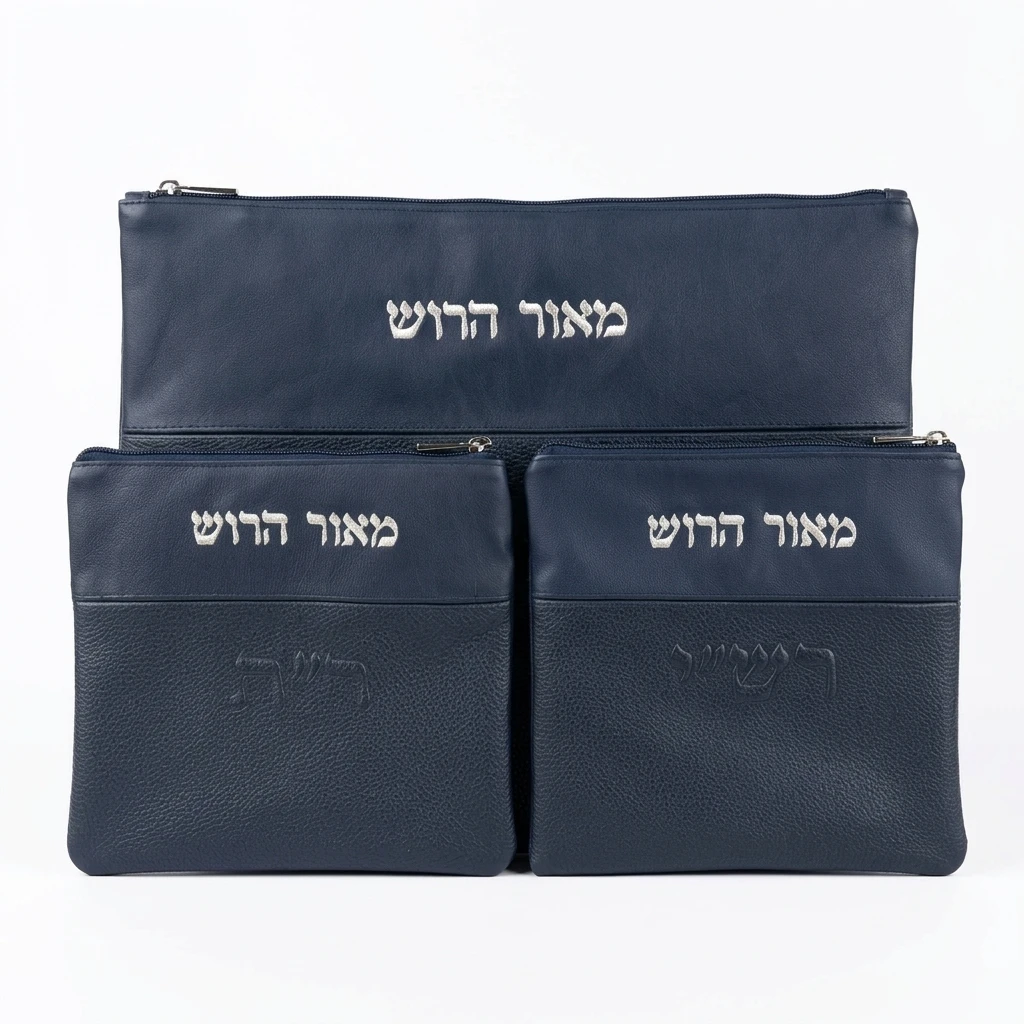
As for the tallit, you'll need to decide on the type of tallit and whether to use regular tzitzit strings or a specific tying style. And of course, the design style of the tallit — whether a classic white tallit or one with stripes in various colors. For the tallit and tefillin bags, you can add name embroidery. You can also choose a siddur and kippah in a variety of styles.

Choose the set you like best, and if you haven't found something that fits you exactly, you can always build the set yourself, personalized to your taste and budget.
After choosing the set that best suits you design-wise, you need to indicate the tefillin nusach (Sephardic or Ashkenazi), whether it's intended for a right-handed or left-handed person, and the level of hiddur (enhancement) of the tefillin. For the tallit, you need to specify the tallit size according to the height of the person it's for. For the bag, indicate whether you'd like name embroidery and, if so, in what color. The whole process is very convenient, quick, and friendly.
The tefillin undergo a professional human inspection by an expert magiah (proofreader), plus a computer check and digital scan of the parchment. A computer-check certificate with a photo of the parashiot inside the tefillin is included. Delivery is fast to all parts of the country, arriving neatly and carefully packaged. You're also welcome to contact us for phone or WhatsApp consultation with any question or request — feel free to reach out :-) and mazal tov!
All tefillin undergo 2 kashrut checks — a human check by a certified magiah plus a computerized check.
We work with certified Sofrei STa"M (scribes) who are Torah-observant and carefully selected.
You can choose between different levels, from basic kashrut to highly mehudar, according to budget and stringency.
A wide selection of tallitot — acrylic wool and cotton — in a stunning range of colors and designs.
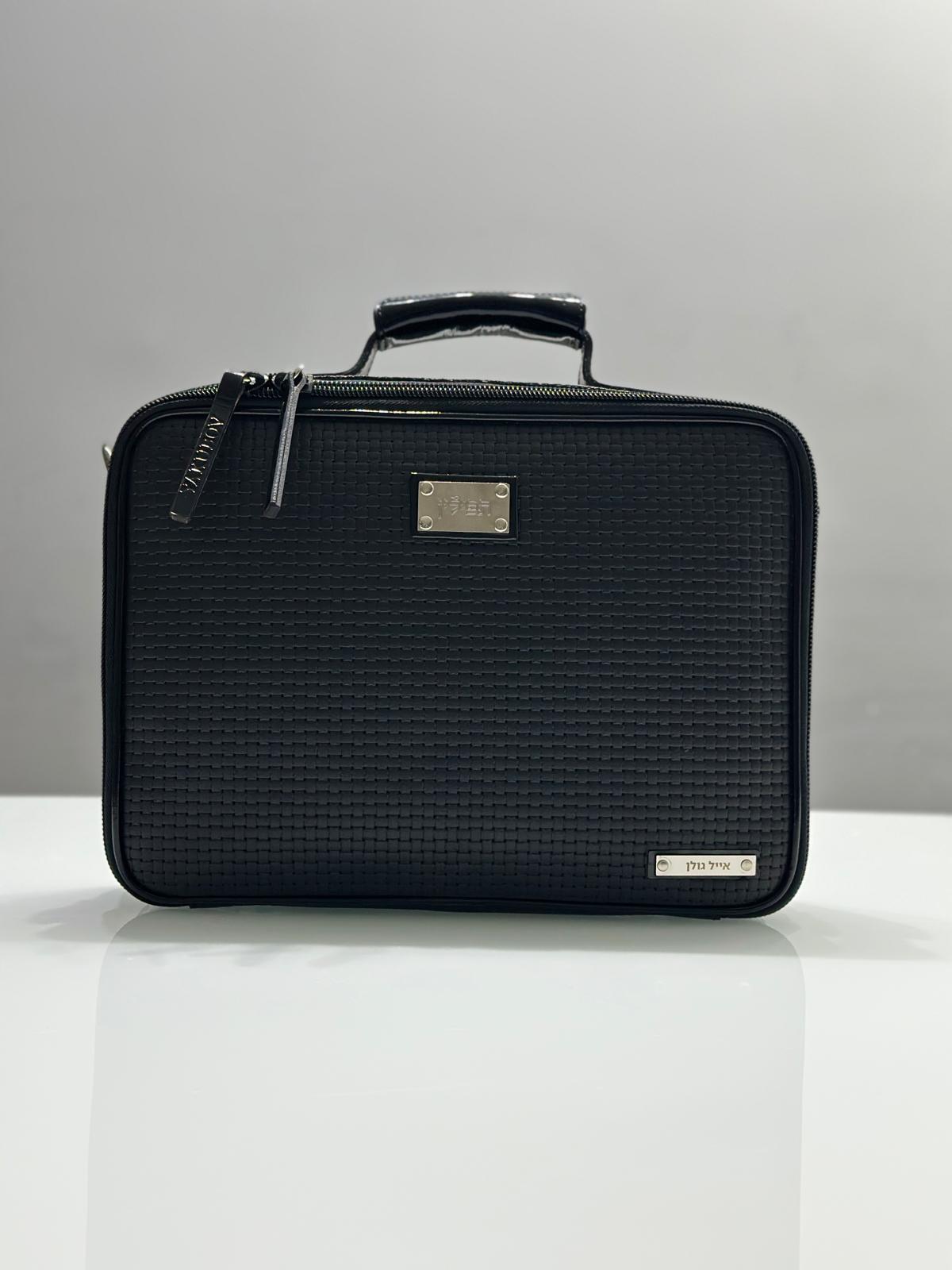
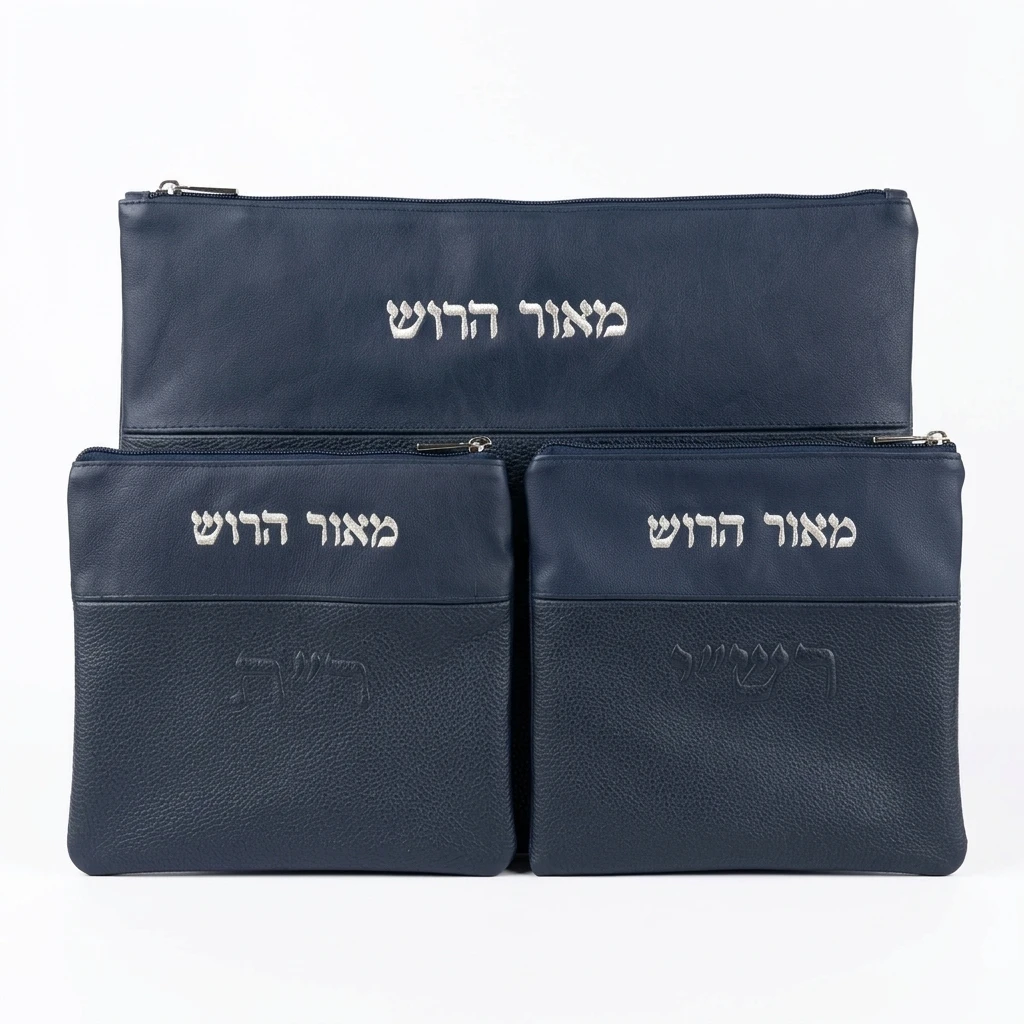
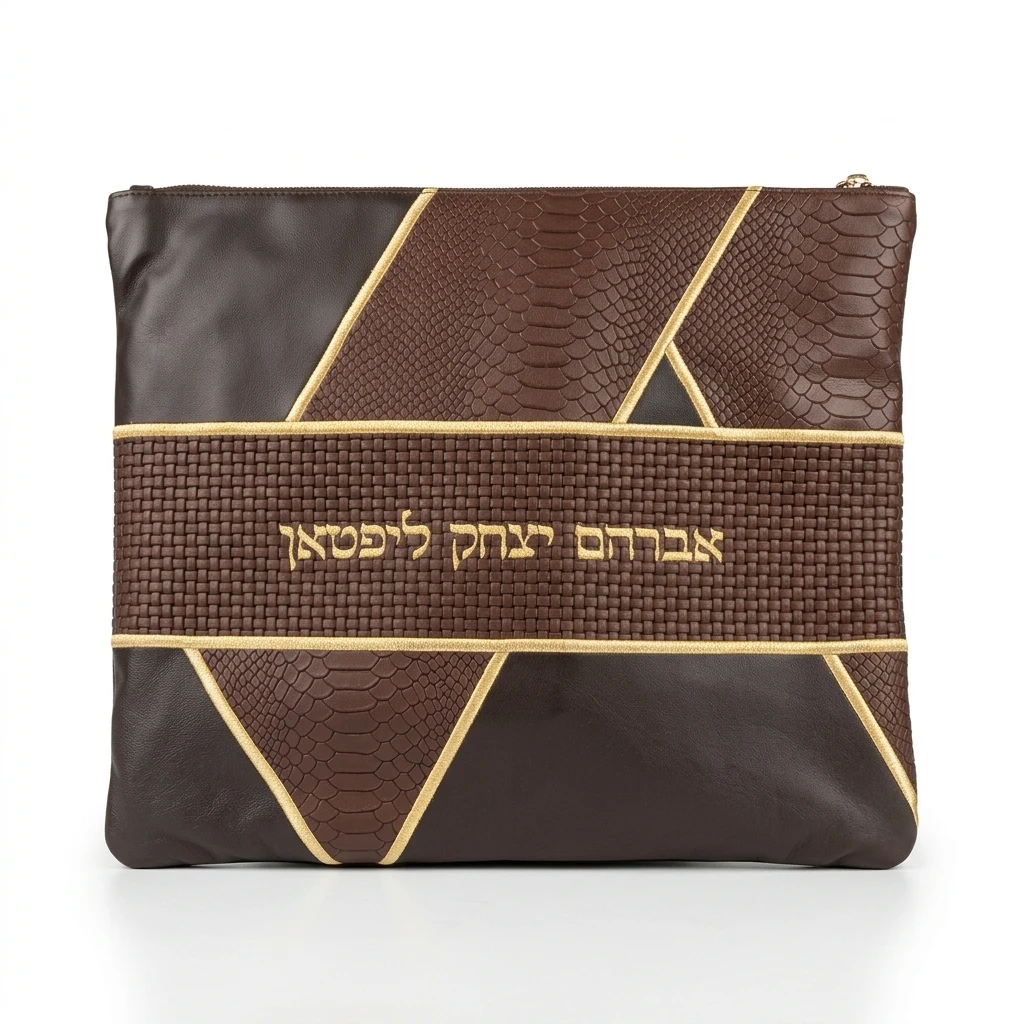
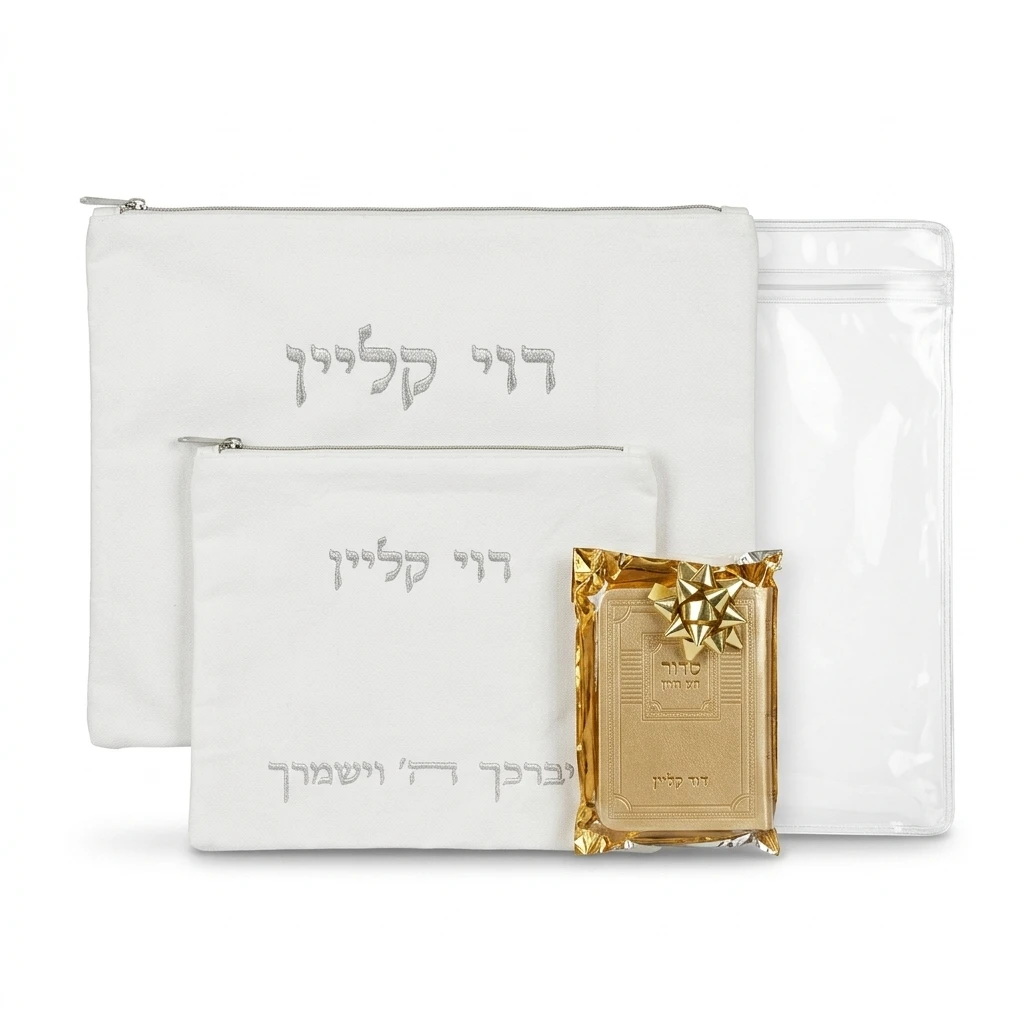
A large selection of bags in velvet, linen, faux leather, and real leather, including the option of name embroidery.
Full warranty on all products, fast home delivery nationwide, friendly service, and high availability.
Frequently Asked Questions
Size fitting depends on your height. Here is our quick guide for an accurate choice:
Size 50: Suitable for a person 150-165 cm tall (a classic size for a Bar Mitzvah boy or for those who prefer a shorter tallit).
Size 60: Suitable for a person 156-180 cm tall (the standard and most common size for men).
Size 70: Suitable for a person 180 cm and above (the perfect choice for those who like to wrap themselves in a large and roomy tallit).
It is very important to clarify: all the tying of the tzitzit in our workshop is done only by a God-fearing person because according to halacha, tying by a machine is completely invalid.
The difference only refers to the spinning stage (creating the wool threads themselves):
Machine threads (machine spinning): The threads are spun by a machine specially for the commandment of tzitzit. Within this framework, we provide thin threads with standard tying at no additional cost.
Handmade threads (hand spinning): The threads are spun by hand for this purpose and are considered more enhanced. In our workshop, those who choose to upgrade to hand spinning always receive thick threads, including careful tying by an expert and God-fearing staff member knowledgeable in the halachot. This upgrade costs only an additional 80 NIS.
To make things clear and simplify the ordering process for you, we’ve kept it as simple as possible: when purchasing on the site, you can choose from a menu whether you want the Spanish tying method or the Ashkenazi tying method, and we will tie it for you using the most standard and accepted method.
However, for those who have a specific family tradition or prefer a particular tying method, we’ve compiled details of the different styles. You can easily request any of them by specifying the type of tying in the order notes at checkout, and we will do it with love:
The Chinuch tying (the standard Spanish): the most common tying among Jews of Eastern communities. It consists of 26 knots divided into the order of 10, 5, 6, 5 (separated by double knots). This number exactly matches the gematria of the name of God (Y-H-V-H).
Gra tying (the standard Ashkenazi): named after the Vilna Gaon and common among Jews of European descent. It consists of 39 knots divided into the order of 7, 8, 11, 13 (separated by double knots). This number is the gematria of the words “The Lord is One.”
“Tal” tying (special Spanish): based on the Ashkenazi number of knots (39 = Tal), but done in the Spanish method – each knot is tied separately by wrapping the thread around itself.
Chabad tying: based on 39 knots, but divided into groups of three, with a small space between each group.
Rambam’s tying (Yemenite Jewry): a unique tying method without any double knots at all. The threads are divided into 7 or 13 groups (links) of 3 knots each, and at the end of each link the thread is tucked inside instead of tied.
The Torah states: “And they shall put a thread of blue upon the fringe of the corner.” According to halacha, kosher tekhelet is produced exclusively from the blood of a marine creature called “chilazon” (“its creation resembles a fish, and it appears once every seventy years”).
About 1,300 years ago, possibly due to decrees by the Roman emperors or the destruction of the dyeing houses, the exact knowledge about the identity of that chilazon was lost, and Jews began tying fringes from white threads only. In recent generations, with the advancement of research, historic breakthroughs were made in the restoration of the mitzvah. We offer the two leading methods:
Radzin Tekhelet (additional 150 NIS): In 1887 (5647), the Rebbe of Radzin identified the biblical chilazon as the “cutter fish” – a marine creature that secretes a dark liquid. This method is currently mainly prevalent among Radzin and Breslov Hasidim.
Argaman Keheh Kotsim Tekhelet (additional 280 NIS): The major breakthrough occurred in 1985, when researchers discovered how to produce a pure blue dye from a snail called “Argaman Keheh Kotsim,” found in the Mediterranean Sea. This identification is supported by archaeological findings of ancient Jewish dye houses and chemical tests. This method has received endorsement from many prominent contemporary poskim and rabbis.
Tying tzitzit with techelet is a halachic art that requires special expertise, as it combines alternating colors and requires creating “links” (groups of several wraps). There are many methods for tying the techelet throughout history (such as the methods of Rav Amram Gaon, the Raavad, Rambam, the Baalei Tosafot, and Sefer HaChinuch). The differences among them manifest in how many threads are dyed techelet and how many times one alternates between the white and techelet bindings.
At Ot MiShamayim, we specialize in all tying rulings and will ensure your techelet is tied precisely and meticulously, according to the tradition and halachic authority you follow. Simply specify your request when ordering.
Frequently Asked Questions
The mitzvah of the mezuzah is one of the most central and ancient mitzvot of the Jewish people, and many secrets and virtues have been attached to it throughout the generations. Here are the main points from the sources:
The Guarding of the Creator: Unlike a king of flesh and blood who sits inside while his servants guard him from outside, with the mezuzah it is the Holy One, Blessed be He, who guards the person. As it is said: “The LORD shall guard your going out and your coming in, from now and forever” (Tractate Avodah Zarah 11).
The Gift That Protects Its Owner: The midrash tells of King Artaban, who sent Rabbi Yehuda HaNasi a precious pearl and asked for a gift of equal value in return. Rabbi Yehuda sent him a mezuzah and explained: “You sent me a gift that I must guard, and I sent you a gift that will guard you while you sleep” (Bereishit Rabbah 35). The book “She’iltot” adds that the mezuzah even saved the king’s daughter from a severe spiritual illness.
The Virtue of “Zaz-Mavet” (Death Departs) and Long Life: The Tikkunei Zohar states that the word “mezuzah” hints at the words “zaz-mavet” (death departs), since this mitzvah has the power to distance dangers and harsh judgments. The Torah promises that by carefully observing this mitzvah, one merits long life: “That your days and the days of your children may be multiplied” (Deuteronomy 11).
Protection from Harmful Forces: The Mordechai wrote in the name of the Maharam: “I am confident that any home properly fitted with a kosher mezuzah — no harmful force can have power over it.” The Kesef Mishneh adds that when the mezuzah is written according to halacha, God’s protection envelops the home.
The Condition for Protection — Mehudar Kashrut: It’s important to remember that all these virtues exist only when the mezuzah is kosher. A mezuzah contains 713 letters, and if, heaven forbid, even one is missing or flawed, the mezuzah is invalid by law and does not protect. Therefore, be careful to purchase from a God-fearing scribe and a reliable source that performs double proofreading (manual and computerized).
The True Intention: Despite these tremendous virtues, the primary purpose of affixing the mezuzah is to fulfill the Creator’s will out of love (Yalkut Yosef). The protection is the wondrous reward that accompanies the fulfillment of the mitzvah.
In the world of mezuzot, the term “kosher” is very broad. It is important to understand the differences to choose the mezuzah that will give you peace of mind and security:
Basic kosher mezuzah: A mezuzah that meets the required kosher standard but sometimes relies on lenient opinions (“bediavad”) and is not considered the “lechatchila” level. The script is usually simpler and the scribes do not work with us regularly, so we apply a particularly strict control system including human and computerized proofreading. We offer this level atan accessible price starting at 125₪, with the mission to enable every Jew to protect their home’s entrance.
Premium kosher mezuzah (recommended): A mezuzah written “lechatchila” – meaning it complies fully with halachic minutiae and enhancements. It is written by a team of expert scribes who are God-fearing and personally known to us, in clear, beautiful, and meticulous script.
Premium deluxe mezuzah: Intended for those looking for a true work of art. Impressive script of the highest level, exemplary precision in every tag, and especially high-quality parchment.
When you approach buying a mezuzah for your home, you’ll discover a wide price range. It’s important to understand that the price of a mezuzah is not “just” a number — it reflects the level of hiddur (enhancement), the scribe’s working hours, and the quality of proofreading. With us, every mezuzah undergoes double proofreading: manual by a certified magiah (proofreader) and computerized, to rule out any risk of error.
The scribe’s expertise: Writing STa”M is an art. The price is affected by the scribe’s experience, the beauty of the script, and his fear of Heaven. A certified scribe guarantees you kosher writing with no compromises.
Type of script: There are three main nusachim (traditions): Sephardic (Eastern communities), Ashkenazi – Beit Yosef, and Ashkenazi – the Ari (according to Kabbalah). Due to the shape of the letters, the Sephardic script is generally more accessible in price, while the Ashkenazi and Ari nusachim require longer working time and greater concentration.
Parchment size: As a rule, a larger parchment requires more writing time and higher raw material cost. Very small mezuzahs (5–7 cm) are usually only at a basic kashrut level due to the difficulty of achieving maximum precision in a small area.
| Hiddur Level | Writing & Scribe Level | Price Range |
| Basic Kashrut | Basic kashrut level (after-the-fact level), simple script. | 125 – 180 NIS |
| Mehudar | Preferred writing standard (lechatchila), expert and God-fearing scribe. | 180 – 360 NIS |
| Premium Mehudar | Maximum artistry and precision, exceptional hiddur. | 500 NIS and up |
Caution: A “too cheap” price is a warning sign.
Writing a mezuzah takes hours of concentration. If you’re offered a parchment at a price significantly lower than market rates, there is serious concern about the kashrut of the writing or the quality of the proofreading. Remember: a single letter’s mistake completely invalidates the mezuzah!
The price varies depending on the material and design:
Simple plastic cases: 10 – 25 NIS.
Designed aluminum, glass, or wood cases: 50 – 150 NIS.
Luxury cases (pure silver or artistic work): Hundreds or even thousands of shekels.
Need help choosing the right mezuzah for your home? Our professional team is here to match you with the exact hiddur level and budget for you.
The basic rule is that every room intended for living or regular human use must have a mezuzah. Here is the breakdown according to the types of rooms:
Main rooms of the house: Every room suitable for living (living room, bedrooms, kitchen, study, and storage) requires a mezuzah, even if it is not currently in daily use.
Roofs and balconies: Any exit door to a roof or balcony used for eating, hanging laundry, or leisure – requires a mezuzah. If the roof is used only for technical purposes (such as repairing a solar water heater) – it is exempt.
Bathroom and toilet: Exempt from mezuzah.
Laundry room: Nowadays it is customary to affix a mezuzah (without a blessing) there because the room is clean and used for storage and other purposes.
Garbage room or diaper-changing room: Exempt from mezuzah because they are not considered ‘dignified apartments’.
Mobile structures: Residential caravans, boats, living trucks, or sleeper trains – are generally exempt from mezuzah.
Room size: A room obligates a mezuzah only if its area is at least 4 cubits by 4 cubits (~192 cm by 192 cm).
A small tip: In any case of doubt, it is recommended to consult with us or with a qualified rabbi, to ensure all your home’s entrances are properly protected and honored.
Installing a mezuzah is an exciting moment of dedicating your home or room. To make sure the mitzvah is fulfilled according to halacha and that your home’s protection will be complete, we’ve prepared the installation steps for you:
Side of the doorway: The mezuzah is always affixed on the right side of the person entering the room.
Please note: Installing it on the left side invalidates the mitzvah! If the mezuzah was mistakenly placed on the left side, it must be removed and re-affixed on the right side with a blessing.
Height: The mezuzah should be installed at the beginning of the upper third of the doorway’s height (from eye level and above).
Sephardic custom: The mezuzah is affixed completely upright (straight).
Ashkenazi and Moroccan custom: The mezuzah is affixed tilted slightly diagonally, with its top leaning toward the inside of the room.
Before securing the mezuzah in its final place, recite the blessing:
“Baruch Atah Adonai Eloheinu Melech Ha’olam, Asher Kideshanu B’mitzvotav V’tzivanu Likboa Mezuzah.”
If you are affixing several mezuzahs at once in the home, recite the blessing only once, on the first mezuzah, and have the rest in mind.
It’s important to attach the mezuzah case firmly and securely to the doorpost so that it doesn’t fall, heaven forbid. You can use nails, screws, or strong, high-quality double-sided adhesive.
Bottom line: The mezuzah is the “guardian” of your home. A correct and mehudar installation is the best way to begin a life of holiness and protection in every room.
Still unsure about a specific location in your home? We’re here for any question or consultation.
The mezuzah is made of natural materials (parchment and ink) that are affected by weather conditions, humidity, and heat, and therefore it may wear out over the years.
As a general rule: the mezuzahs should be given for checking by a certified scribe twice every seven years (on average every 3.5 years).
Hasidic custom: Many have the custom to check the mezuzahs every year during the month of Elul, to enter the new year with renewed protection.
In special cases: It is customary to check the mezuzahs when moving house, and also during distress or, Heaven forbid, illness in the family, as a segula for protection and healing.
Important maintenance tip: When painting the house or thoroughly cleaning the doorframes, the mezuzah must be removed. The penetration of a drop of paint or wet cleaning solution into the mezuzah case can immediately invalidate the parchment.
אנו משתמשים בקובצי עוגיות כדי לשפר את חוויית הגלישה שלך באתר. בשימושך באתר, אתה נותן את הסכמתך לשימוש בעוגיות.
נהל את העדפות קובצי העוגיות שלך:
קובצי עוגיות חיוניים מאפשרים פעולות בסיסיות ונדרשים לצורך הפעולה התקינה של האתר.
תוכל למצוא מידע נוסף ב- Privacy Policy.
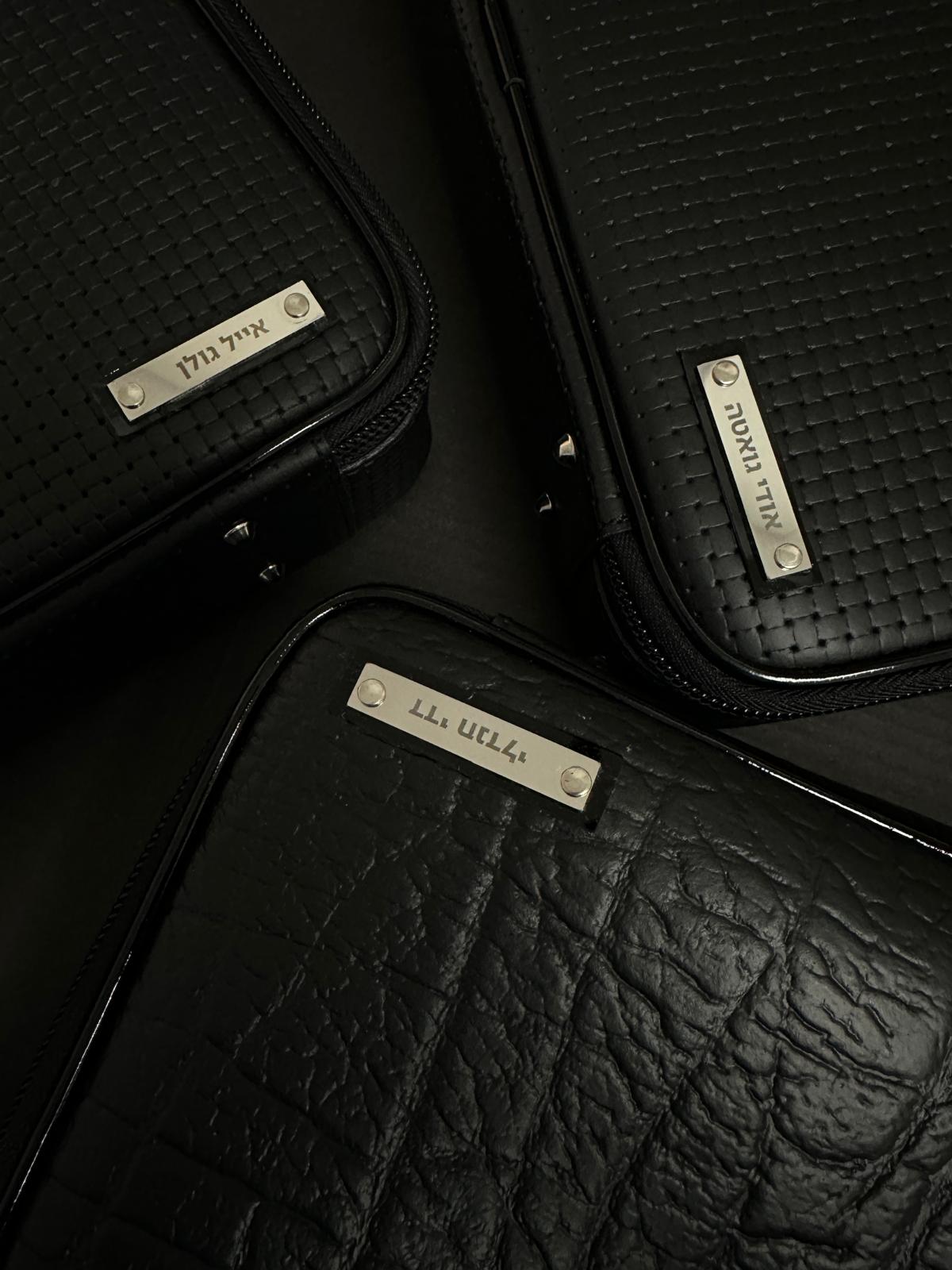
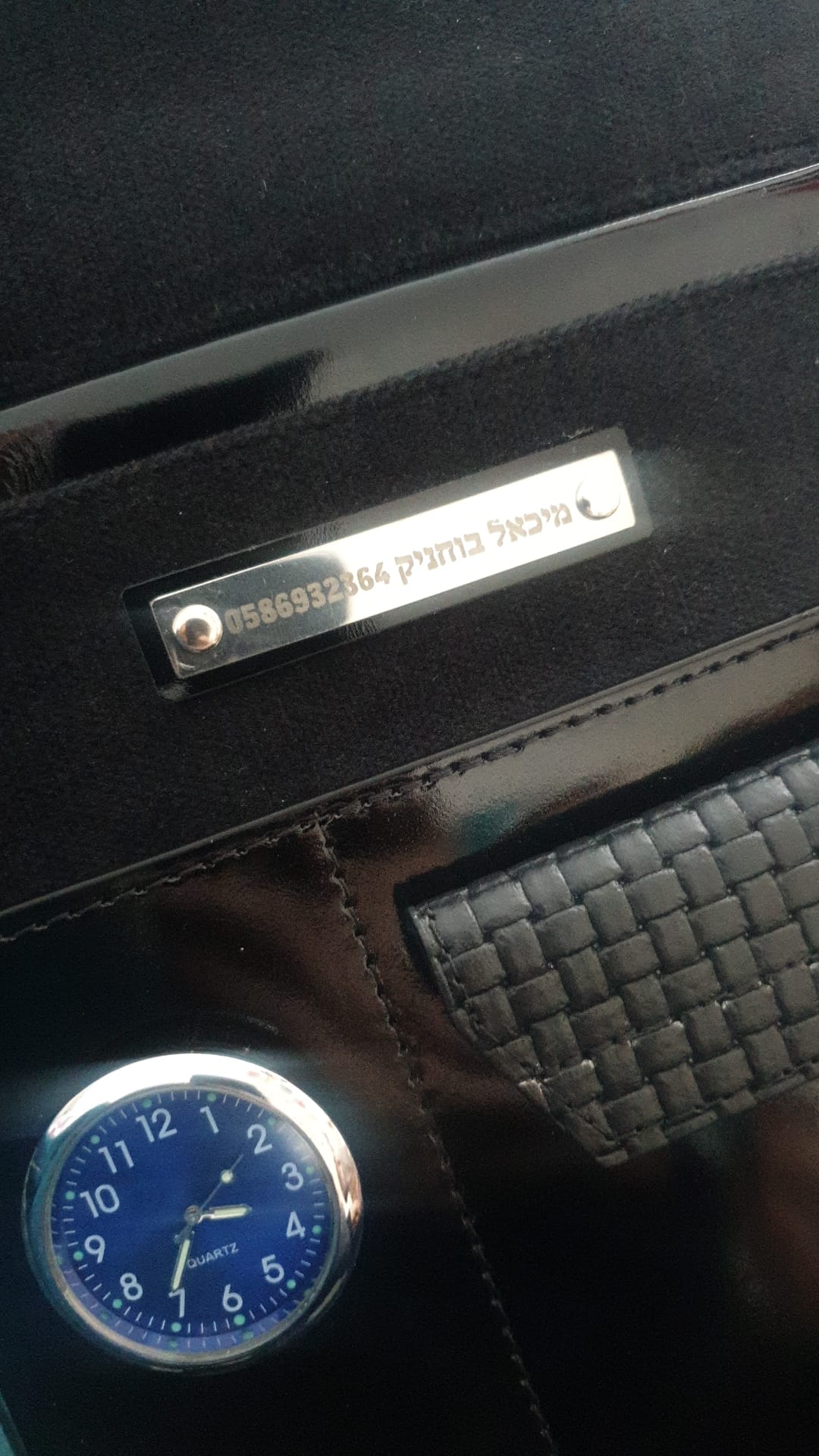
Have a special request? Can’t find exactly what you’re looking for? Want advice? We’re here to help. Contact us on WhatsApp or fill in your name + number. A friendly representative will contact you.